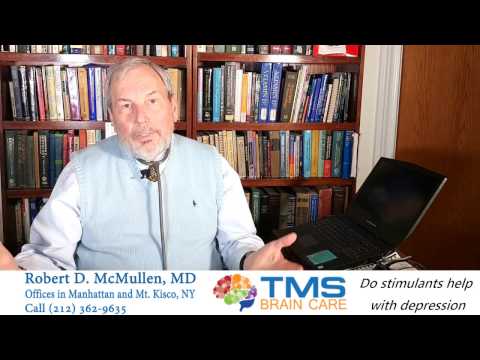
So, you know how sometimes life just feels really heavy? I mean, like, you’re trying everything, but nothing seems to help. That’s where things can get super frustrating, right?
Well, for some folks battling treatment-resistant depression, it’s like they’re stuck in a loop. All those typical therapies and meds just don’t cut it anymore. But here’s the kicker: there’s been some buzz lately about stimulants stepping in as a beacon of hope.
Yeah, I know what you’re thinking—stimulants? Really? But stick with me here. These aren’t your everyday party drugs or anything wild like that. They might just be the game-changer some people need when nothing else works.
Let’s chat about why these little pills are starting to grab attention and how they could make a real difference in someone’s life. You with me? Good!
Exploring New Hope: Breakthrough Treatments for Treatment-Resistant Depression
Hey, let’s talk about something that’s been making waves in the mental health world: breakthrough treatments for treatment-resistant depression, specifically focusing on stimulants. If you or someone you know has been through the wringer with depression treatments and feels like there’s no light at the end of the tunnel, then you might find this really interesting.
First off, treatment-resistant depression is, well, pretty tough. Basically, it refers to cases where people don’t respond to typical antidepressants. When you’ve tried various meds and therapies without relief, it can be super frustrating and disheartening. That’s where new hope comes in.
Now, when we consider stimulants, think about a class of medications often used to treat ADHD. They include something like methylphenidate (you might know it as Ritalin) and amphetamines (like Adderall). These meds aren’t just for kids bouncing off the walls anymore; research is showing they can have potential benefits for treating depression too.
Stimulants work differently than traditional antidepressants. While SSRIs (the common ones) boost serotonin levels in your brain, stimulants can increase both dopamine and norepinephrine. This shift helps improve focus and motivation—things that often get hit hard by depression.
Here’s where it gets exciting: studies are showing positive results with stimulants as an add-on therapy for folks who haven’t found success with regular treatments. Like, some patients have experienced significant mood improvements even after just a few days! Imagine feeling a little more alive again after so long—it’s like seeing color after being stuck in black-and-white.
But it’s not all sunshine and rainbows; stimulants come with their own set of risks. Side effects can include increased heart rate, anxiety, or insomnia—definitely things to watch out for if you’re considering these options. It’s crucial to chat closely with your healthcare provider about what’s going on and whether this approach makes sense for you.
Let me share a quick story: I once knew someone who had tried nearly every medication out there without any luck. They were exhausted and felt hopeless—a familiar place for many battling depression. Then they started a stimulant alongside their regular regimen. Within weeks, they noticed clearer thinking and an ability to engage in life again—going back to hobbies they thought were gone forever! It was a game changer for them—not all smooth sailing still but definitely a step toward brighter days.
In summary:
- Treatment-resistant depression is when standard treatments don’t work.
- Stimulants show promise as new options for those struggling.
- They function by enhancing dopamine levels along with norepinephrine.
- Results can be quick—sometimes within days!
- Side effects are real, so finding the right balance is key.
So there you have it! Stimulants aren’t a magic bullet but represent a new avenue worth exploring if traditional treatments haven’t cut it. Hope is powerful stuff—even when it feels like it’s hard to come by sometimes!
Exploring the Gold Standard Treatments for Resistant Depression: Effective Solutions and Insights
When you hear the term resistant depression, it basically means that standard treatments, like antidepressants or therapy, aren’t cutting it. It’s frustrating—especially when you’ve tried a bunch of options and nothing seems to help. But there’s a silver lining! Lately, health professionals have been exploring stimulants as a potential solution for those stuck in this tough spot.
So here’s the deal: stimulants are often known for their use in treating ADHD, but research has started to show they can be useful for resistant depression too. Think about it this way: they work by boosting certain neurotransmitters in your brain—like dopamine and norepinephrine—which can improve mood and energy levels. It might sound a bit like magic, but there’s some solid science behind it.
Now, let’s break this down:
- Dopaminergic Effects: Stimulants enhance dopamine levels. That could lead to better motivation and pleasure in everyday activities.
- Quick Action: Unlike traditional antidepressants that might take weeks to kick in, some stimulants can start working more quickly. Imagine feeling relief sooner—it’s like finding that unexpected light after a long tunnel!
- Augmentation: Sometimes these stimulants are used alongside conventional antidepressants to enhance their effectiveness. It’s kind of like adding hot sauce to your soup; it just boosts the flavor!
Anecdotally speaking, I remember chatting with a friend who had been grappling with resistant depression for years. After trying various treatments without success, they finally found hope through a combination of an SSRI and a stimulant. The transition was nothing short of life-changing! They described feeling more alive than they had in ages—like something had finally clicked.
Of course, stimulants aren’t without their caveats! Side effects can include insomnia, increased heart rate, or anxiety. Plus, medical professionals usually keep an eye on potential dependency issues since some stimulants are controlled substances.
The big takeaway here is that while traditional methods might not always work for everyone dealing with resistant depression, stimulants could offer another avenue worth exploring. Just remember: Always chat with your healthcare provider before making any changes or adding new treatments!
This isn’t just about finding the right medication; it’s about discovering what works best for you personally. So if you’re feeling defeated by your current treatment plan, don’t hesitate to discuss options like these with someone who gets it!
Exploring Vyvanse: A Potential Treatment for Resistant Depression
So, let’s talk about Vyvanse and how it might help with something called treatment-resistant depression. You might be thinking, “What’s the deal with that?” Well, treatment-resistant depression is when regular antidepressants just don’t do the trick anymore. It’s frustrating and pretty tough on people dealing with it.
Now, Vyvanse, which is usually used for ADHD, has been getting some attention for this. Why? Because it’s a stimulant. Stimulants can sometimes give a boost to people who are feeling really down in the dumps when other treatments have failed. It’s like finding a hidden key to a door that just wouldn’t budge no matter how hard you pushed.
- How does Vyvanse work? So, Vyvanse helps increase levels of certain brain chemicals like dopamine and norepinephrine. These guys are involved in mood regulation and motivation. More of them can mean you’re feeling more “up” and less like you’re stuck in mud.
- Research says… Some studies suggest that stimulants may help ease depressive symptoms quicker than traditional medications.
- Anecdotes shine a light. For instance, there have been stories of people trying everything from SSRIs to therapy but not feeling better. Then they start Vyvanse and suddenly feel more energetic and hopeful about life again. It can be that important!
This isn’t to say Vyvanse is the answer for everyone or that it doesn’t come without risks. Some people experience side effects like increased anxiety or insomnia—definitely things to keep an eye on! And if your doctor does suggest it, you’ll want to keep the communication going about what’s working and what isn’t.
The thing is, every brain is unique. What helps one person might not help another at all. That’s why exploring options is super important when dealing with something as tricky as resistant depression.
If you’re considering this route, just chat openly with your doc. They can give you the lowdown on whether Vyvanse could fit into your treatment plan or if other options would be better suited for your situation.
This journey to find what works for you can feel long and tiring, but remember: there are paths out there waiting to be discovered!
You know, when you think about depression, it’s like a heavy fog that just doesn’t want to lift. It’s way more than just feeling sad; it can drain your energy and make even the simplest tasks feel impossible. If you or someone you love has been in that dark place for a while, you probably know how frustrating it is to try treatment after treatment without any relief. It’s disheartening.
So, here’s where stimulants come into the picture. Yeah, I know what you might be thinking: stimulants are usually associated with ADHD or boosting energy levels, right? But recent studies have started to show that they might help people who struggle with treatment-resistant depression—those who have tried different meds and therapy but still feel stuck.
Just imagine hitting a wall after months of therapy and medications. You’re doing all the right things—talking to a therapist, taking your meds—but nothing seems to change. That’s where a short-acting stimulant might be introduced as an option. Some folks have experienced, like, almost instant relief from their depressive symptoms when combined with other medications. It’s not some miracle cure or anything—more like a tool in the toolbox.
But here’s something important: stimulants aren’t without side effects or risks. Depending on the person, they can lead to increased anxiety or sleep issues—which is kinda ironic when you’re trying to feel better! It’s a balancing act between finding what works for an individual and ensuring they don’t end up feeling worse.
I remember talking to a friend who had battled her own demons for years without much luck from traditional antidepressants. She was feeling so hopeless and frustrated. After finally trying a stimulant along with her existing treatment plan, she shared how it felt like someone lifted that fog just enough so she could see a glimmer of light again—a flicker of hope she hadn’t felt in ages.
Stimulant use in depression isn’t the end-all solution but what if it opens new doors? It’s all about experimenting until something clicks. The mental health landscape is changing every day; treatments evolve because our understanding deepens. So if traditional paths haven’t worked for you or someone you care about yet, maybe stimulants could be part of that exploration.
In the end, it’s about keeping hope alive and finding ways to navigate through those dense clouds of despair toward brighter days ahead. Always good to stay curious and open-minded about what might help—even if it’s something unexpected!