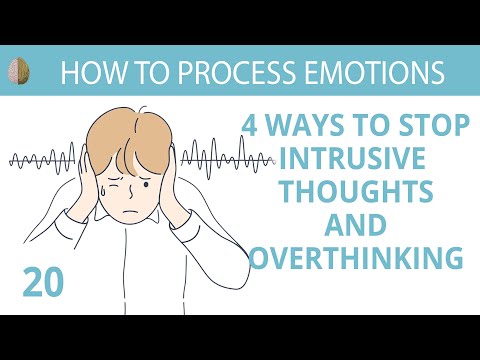
You know those days when your mind just won’t chill? Seriously, like it’s on this weird carousel of thoughts you never asked for. It can feel totally exhausting.
Intrusive thoughts can pop up outta nowhere, and they’re not always friendly. They might make you second guess yourself or even spiral into some pretty heavy emotions. It’s wild how our brains work sometimes, right?
But here’s the thing: you’re not alone in this struggle. So many people deal with intrusive thoughts, and there are ways to manage them.
Let’s chat about what these pesky thoughts are and some strategies to keep them from hijacking your day. Sound good?
Mastering the 3-3-3 Rule: A Simple Strategy to Overcome Overthinking
Overthinking can be a real buzzkill, right? You get stuck in your head, replaying events or worrying about what could go wrong. That’s where the **3-3-3 rule** comes into play. It’s a super simple technique that can help you regain control when your thoughts start spiraling.
Basically, the idea is to ground yourself by using your senses and breaking down thoughts. Here’s how it works:
Step 1: Acknowledge your thoughts
When you find yourself overthinking, try to identify three things you can see around you. Maybe it’s the cozy chair in the corner, a picture on the wall, or the cute mug on your desk. Just name them! This pulls you back into the present moment.
Step 2: Listen up
Next, focus on three sounds you can hear. It could be music playing softly in the background, birds chirping outside, or even that funny pencil scratching noise from your roommate writing something down. Seriously! Focusing on these sounds helps shift your focus away from worrying thoughts.
Step 3: Get physical
Finally, think of three things you can touch or feel. This can be as simple as the texture of your shirt or the coolness of a metal paperclip in your fingers. Feeling something tangible gets you outta that headspace and connects you to reality.
So let’s say you’re sitting at work, and suddenly your mind starts racing about whether you’ll ace that presentation next week (which stresses everyone out). You pause and think:
- You spot a plant near your desk.
- You hear someone laughing down the hall.
- You notice how soft your sweater feels against your skin.
And voilà! You’ve shifted gears from that overthinking mode to a more grounded place.
Over time, practicing this simple rule can help break those pesky cycles of intrusive thoughts. It’s like training for mental clarity – it doesn’t happen overnight but sticks with practice!
You might still have tough days when thoughts rush back in like an unwelcome guest at a party; it happens! So don’t beat yourself up if it takes time to master this technique. Just remember – every small step helps ease that mental traffic jam we all know too well!
Transform Your Mind: Effective Strategies to Rewire Your Brain and Overcome Intrusive Thoughts
Intrusive thoughts can feel like uninvited guests crashing a party in your mind, right? These pesky little thoughts pop up and can stick around longer than you’d like. So, how do you deal with them and maybe even *rewire* your brain a bit? Here are some strategies to help manage those disruptive little buggers.
1. Practice Mindfulness
Mindfulness is all about staying present and aware. Instead of getting swept away by your thoughts, notice them without judgment. You might try focusing on your breath for a few minutes. Imagine those intrusive thoughts floating by like clouds in the sky. You see them, but you don’t have to chase them.
2. Challenge Your Thoughts
When that annoying thought pops up, ask yourself: “Is this even true?” Often, that’s where the power of these thoughts lies— we believe them without questioning. If you’re thinking something like “I always mess things up,” flip it around! Think about times when you didn’t mess up to remind yourself of reality.
3. Grounding Techniques
Grounding techniques can bring you back to the here and now when those intrusive thoughts take over. Try the 5-4-3-2-1 method: identify 5 things you can see, 4 things you can touch, 3 things you can hear, 2 things you can smell, and 1 thing you can taste. This helps distract your mind and reconnects you with your surroundings.
4. Journaling
Writing down your thoughts might sound simple but trust me; it’s powerful! Put pen to paper and let it all out. You might find patterns in what triggers these intrusive thoughts or discover new ways to respond to them.
5. Cognitive Behavioral Therapy (CBT)
CBT is all about recognizing negative thought patterns and changing them. A therapist trained in CBT can help guide you through this process so you can learn more effective ways of thinking over time.
6. Self-Compassion
Dude, be nice to yourself! Intrusive thoughts happen to everyone; you’re not alone in this struggle! Acknowledge that sometimes our brains just act weirdly. By treating yourself with kindness, it’ll become easier to let those pesky thoughts slide away.
So yeah, managing intrusive thoughts isn’t an overnight miracle—it takes time and practice! You might not get rid of every single one but remember: it’s okay if they pop up once in a while as long as they don’t control your life.
Incorporating these strategies into your routine could pave the way for better mental health—one thought at a time! Just keep at it; slowly but surely you’ll start feeling more in control over that busy mind of yours.
Effective Strategies to Overcome Intrusive Thoughts for Good
Intrusive thoughts. They really can be a pain, right? Like those random, unwanted thoughts that sneak into your mind and stick around longer than you’d like. Sometimes they’re just annoying; other times, they can leave you feeling pretty anxious or upset. Don’t worry too much, because there are some strategies that may help you manage these pesky thoughts.
First off, let’s talk about awareness. Simply noticing when those thoughts creep in is a huge step. Picture this: you’re at work, trying to focus on a project, and suddenly you’re thinking about something embarrassing that happened years ago. Instead of getting stuck in that thought loop, take a second to recognize it as just another intrusive thought. It’s not real; it doesn’t define you.
Then there’s labeling. When an intrusive thought pops up, try saying to yourself something like “Ah, there’s that intrusive thought again.” Labeling it helps create distance between you and the thought. It’s like taking the emotional power out of it; instead of being consumed by the thought itself, you’re just observing it.
Another handy trick is grounding techniques. These bring your focus back to the present and can break the cycle of negative thinking. Maybe try focusing on your breathing—inhale for four counts, hold for four counts, exhale for four counts. Or engage your senses: what can you see? Hear? Feel? These small moments can pull you out of that mental mess.
And don’t forget about distraction. Sometimes just getting busy with something else can push those thoughts aside. You could call a friend for a chat or dive into a good book or hobby. Remember the last time you were so wrapped up in doing something fun that time flew by? That’s what we’re aiming for!
Consider journaling too. Writing down your thoughts and feelings can really help untangle all those jumbled ideas floating around in your head. You might discover patterns or triggers hiding within them—stuff that’s worth looking into when you’re ready.
Also worth mentioning is mindfulness meditation. Trust me; this isn’t just for yogis! Spending even five minutes a day practicing mindfulness can help quieten your mind over time. You learn to observe those intrusive thoughts without judgment instead of wrestling with them.
And yeah—if things get overwhelming and these strategies aren’t cutting it, reaching out to a professional isn’t a bad idea at all. They’ll have tools tailored specifically for you since everyone experiences intrusive thoughts differently.
So basically, managing those nagging thoughts is totally possible! With time and practice using these strategies—awareness, labeling, grounding techniques, distraction methods, journaling, mindfulness—you might find yourself feeling more at peace in your own headspace. Just remember: they don’t define who you are or where you’re headed!
Intrusive thoughts, right? They can be super annoying and frankly a bit scary sometimes. Like, you’re just going about your day, maybe enjoying a walk or hanging out with friends, and then bam! Your mind throws something totally random and unsettling at you. It’s like your brain is trying to play some kind of cruel joke.
I remember this one time when I was at a family gathering. Everyone was laughing and joking around, but then my mind just went there—a thought about how I might accidentally hurt someone. I felt this wave of panic wash over me. Like, where did that come from? It made me want to hide in the bathroom for a minute. Seriously, it’s wild how our minds can just take off on these tangents.
But here’s the thing: managing those intrusive thoughts is totally doable. First off, you have to know that everyone experiences them. You’re not alone in this weird mental rollercoaster! It helps to recognize that these thoughts don’t define you or your character; they’re just…thoughts flying by.
One thing that really works is simply acknowledging the thought without judgment. You can say to yourself, “Okay, that’s just my brain being weird again.” And then let it float away like a leaf on a stream—goodbye! This way, you’re not giving those pesky thoughts the power they try to grab.
Mindfulness can also lend a hand here. Focusing on the present moment—like feeling your feet on the ground or breathing deeply—can ground you when those intrusive thoughts come creeping in. Some people find journaling helpful too; pouring those chaotic thoughts onto paper can be pretty cathartic.
And hey, if things feel overwhelming sometimes? No shame in reaching out for some support! Whether it’s talking to friends or seeing a therapist, expressing what you’re feeling can lighten that mental load significantly.
At the end of the day, managing intrusive thoughts is all about practice and kindness towards yourself. You wouldn’t blame someone else for having weird thoughts; so why do it to yourself? Just remember: they’re just your brain being its unpredictable self—nothing more than clouds passing through your sky.