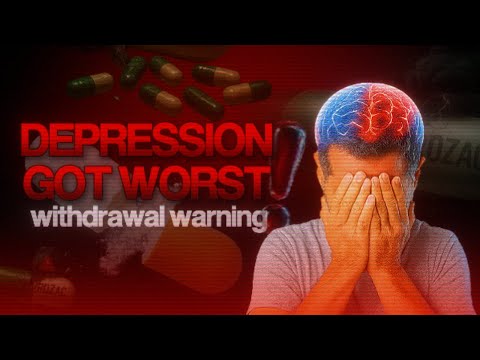
So, you’ve been taking sertraline for a while now. That stuff can really help, right? But what happens if you just stop it suddenly?
Well, let me tell you—it’s a bit of a ride. You might think it’ll be easy peasy, but your brain has other ideas. Seriously!
There are psychological effects that can pop up when you quit cold turkey. Think mood swings, anxiety spikes, and maybe even some weird physical feelings. Not cool, huh?
Stick around because we’re gonna break down what goes on when you hit the brakes on this medication. You’ll want to know this stuff before making any decisions!
Understanding the Risks: What Happens When You Stop Zoloft Abruptly?
So, let’s chat about Zoloft, or sertraline, and what goes down when you stop taking it suddenly. It’s pretty important stuff, especially if you’ve been on it for a while.
When someone just stops taking Zoloft out of the blue, it can lead to a bunch of different reactions. The body gets used to having that medication in its system. So when it’s suddenly gone? It can throw you for a loop.
One of the main things to watch out for is withdrawal symptoms. Some people have reported feeling really **irritable** or even **anxious** after they quit Zoloft cold turkey. That’s because the brain has been relying on that medication to keep things balanced. So when you take it away? Yikes!
Here’s a rundown of some common symptoms you might experience:
- Dizziness: This feels like when you stand up too fast but way worse.
- Nausea: The kind that makes your stomach turn and just feels off.
- Brain zaps: Those weird electrical shock feelings in your head that can be super unsettling.
- Tiredness: You might feel like you just wanna sleep all day.
- Flu-like symptoms: Like headaches or muscle aches, which is no fun at all.
I remember chatting with a friend who tried stopping Zoloft without talking to her doctor first. She said she felt completely out of sorts—dizzy and anxious all the time. It took her some time to get back to feeling normal again, and she wished she’d had a plan before dropping it.
Now, stopping abruptly can also mess with your mental health mood-wise. You could find that your depression or anxiety comes back with a vengeance because the medication had been helping keep those feelings at bay. It’s like turning off a light switch; everything gets dark again really fast.
However, there are ways to make this transition less jarring. Most doctors recommend slowly tapering down the dosage instead of quitting cold turkey. This approach lets your body adjust more gradually and reduces the chance of those nasty withdrawal symptoms.
In short? Stopping Zoloft abruptly can lead to some serious bumps in the road—both physically and mentally. If you’re thinking about changing how you take it—or stopping altogether—it’s seriously crucial to talk with your healthcare provider first! They’ll know how best to help you through it without making things harder than needed.
Understanding Sertraline Withdrawal: When Symptoms Typically Peak and What to Expect
So, you’ve been on sertraline and are thinking about stopping it? Or maybe you know someone who is. It’s important to understand that abruptly stopping sertraline can lead to withdrawal symptoms. This is also referred to as “discontinuation syndrome.”
Sertraline is a type of antidepressant known as an SSRI, or selective serotonin reuptake inhibitor. When you stop taking it suddenly, your brain needs time to adjust. It’s like when you jump off a roller coaster—you feel that sudden drop and your stomach flips.
Withdrawal symptoms can usually start within a few days after stopping the medication. For many people, symptoms tend to peak around one week after discontinuation. So what can you expect during this time? Here’s the scoop:
- You might experience flu-like symptoms: chills, fatigue, and general malaise.
- Mood swings could become more pronounced—like feeling irritable or anxious when you didn’t expect it.
- Physical symptoms might include headaches or dizziness.
- Some people report trouble sleeping or vivid dreams; basically, sleep might feel weird.
- You could also feel more emotional than usual—like crying at a commercial.
The thing is, everyone is different. Some folks may have milder experiences while others could find themselves really struggling for a bit. For example, a friend of mine who stopped taking sertraline cold turkey felt like she was on an emotional roller coaster—one moment she’d be fine, the next she’d be crying over nothing at all.
It’s super important not to go at it alone if you’re feeling these things or if you’re considering stopping your medication altogether. Seriously! Talk to your doctor first about how to taper off the medication safely; they’ll help you find the right plan for your situation.
Also, keep in mind that those withdrawal effects usually don’t last forever—most people start to feel better within a couple of weeks as their body adjusts back into balance.
If you’re experiencing withdrawal effects that feel overwhelming or don’t seem to be getting any better after some time, definitely reach out for support. You don’t have to do this by yourself.
In summary, understanding what happens when you stop sertraline suddenly can make a huge difference in how you prepare for and manage potential withdrawal symptoms. Being informed is empowering!
Understanding Brain Fog: Will It Disappear After Stopping Sertraline?
So, let’s talk about brain fog. You know, that kinda frustrating feeling where your thoughts feel fuzzy and it’s like you’re trying to think through a thick cloud? If you’ve been on Sertraline, a common antidepressant, and you just stopped taking it abruptly, you might be experiencing this foggy sensation more intensely.
When you suddenly cut off your medication, your body can react in all sorts of ways. Basically, Sertraline affects the levels of serotonin in your brain, which is super important for mood regulation. When you stop it abruptly, the brain is like, “Whoa! What just happened?” This can lead to some real confusion and emotional ups and downs—hello, brain fog!
Now, about whether this brain fog will disappear after stopping Sertraline: well, it really depends on the person. Here are some things to keep in mind:
- How long were you on the medication? If it was just a short time, the fog might lift fairly quickly.
- Your individual biology matters. Everyone’s body responds differently. Some folks bounce back faster than others.
- The dosage plays a role too. Higher doses can lead to more significant withdrawal symptoms; hence, longer recovery times.
- Your support system matters. Having friends or family around can help ease that mental cloudiness during transition times.
I remember when a friend of mine decided to stop taking Sertraline cold turkey. She described her experience as being «lost in a sea of cotton.» And while she did manage to find clarity after several weeks of struggling with those feelings of disconnect and fuzziness, it took patience—and sometimes tears—to get through those moments when her thoughts felt jumbled and slow.
But here’s where things get hopeful: many people report that their brain fog starts diminishing over time. The key is giving your mind some grace as it adjusts back to functioning without the medication assistance—even if sometimes it feels like trying to drive through thick mist on an unfamiliar road!
If you’re thinking about stopping Sertraline or are dealing with brain fog now after doing so—seriously consider reaching out for help or guidance from a healthcare professional. They can provide support tailored just for you as you navigate this challenging phase.
Beneath all that mental haze lies the potential for clarity again! It might take some time and TLC for your mind to recalibrate itself after stopping Sertraline but hang in there; you’re not alone in this journey!
So, you know how when you’re on medication like sertraline, it can really help with things like anxiety or depression? That stuff can be a game changer. But what happens when you decide to stop taking it? Well, here’s where things can get a bit tricky.
Imagine you’ve been taking sertraline for a while, feeling more balanced and maybe even like yourself again. Then one day, for whatever reason—maybe you’re tired of meds, feel better, or think it’s not working anymore—you decide to just stop. It might seem like an easy fix at the moment, but there are some psychological effects that can hit hard.
Let me tell you about my friend Jamie. Jamie was doing pretty well on sertraline and thought she could handle life without it. But when she stopped suddenly, everything changed. At first, she felt this weird mix of freedom and relief—like she graduated from some sort of invisible weight lifting off her shoulders. But then came the emotional whiplash: anxious thoughts crashed in like uninvited guests at a party. She felt restless and irritable too, which is so not fun.
Withdrawal symptoms can really sneak up on you. Some people experience mood swings or heightened anxiety—almost like your brain is throwing a tantrum because it doesn’t know what’s going on anymore. And those feelings can last longer than you’d hope.
What happens is that your body gets used to the medication helping regulate serotonin levels—basically a feel-good hormone in your brain. When you yank that support away all of a sudden? It’s like the scaffolding of a building suddenly collapsing after construction is done; everything feels shaky and uncertain.
So yeah, if someone’s thinking about stopping sertraline( or any medication), talking to a doctor is super important! They can help map out a plan that makes sense for transitioning off it in a healthy way instead of going cold turkey—which often leads to rough patches you really don’t want to go through.
At the end of the day, mental health stuff isn’t just black and white—you gotta listen to how your mind and body are reacting. It’s all about treating yourself kindly and understanding what works for you!