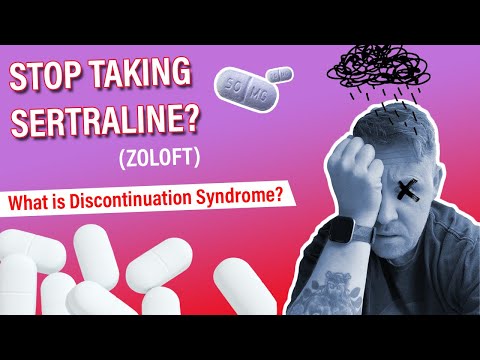
Hey, so, let’s talk about Zoloft for a sec, okay? You know, that common antidepressant that helps a lot of folks feel better? Well, what happens if you just stop taking it all of a sudden?
Seriously, it can be a wild ride. One day you’re cruising along, and the next you might feel like you’re on some emotional rollercoaster. It’s not just about feeling sad or anxious; there’s a whole world of weird stuff that can pop up.
You wouldn’t believe how many people go through this. Sometimes they stop because they think they’re all good now. Other times, maybe they just forget to refill their prescription—life gets hectic! Whatever the reason is, things can get tricky. Let’s unpack this together!
Understanding the Effects of Abruptly Stopping Zoloft: What You Need to Know
When you stop taking Zoloft, which is a type of medication used to treat depression and anxiety, you might feel some pretty intense stuff. The thing is, if you just quit cold turkey, your body can react in all sorts of ways. It’s important to understand the potential effects, especially if you’re considering stopping or have already done so.
First off, Zoloft (sertraline) works by balancing chemicals in your brain. These chemicals are called neurotransmitters and they help regulate your mood. When you suddenly stop taking it, your brain has to readjust. This can lead to what many people call “withdrawal symptoms.” Some common ones include:
I remember a friend who stopped taking Zoloft without consulting his doctor. He thought he was doing great until he started feeling really anxious again after a few days. He didn’t realize that he was experiencing withdrawal symptoms until things got tough for him and he finally sought help.
Another thing to keep in mind is the potential for what’s known as discontinuation syndrome. This term basically refers to those withdrawal symptoms I just mentioned but can also include brain zaps—which are these weird, electric-shock sensations that some people experience. Yeah, it sounds strange but it’s real.
Now, let’s talk about timing because it varies for everyone. If you’ve been on Zoloft for years versus just a few months—well, the longer you’ve been taking it, the more significant the adjustment your body has to make when you stop suddenly.
Also, relapse into depression or anxiety is a real concern. Sometimes when folks stop their medication abruptly without guidance from a healthcare provider, they may find their original problems coming back like unwanted guests at a party.
If you’re thinking about stopping Zoloft or any other medication like it, it’s super crucial to have an open conversation with your doctor first. They might suggest tapering off instead of quitting all at once—which can help lessen those nasty withdrawal effects.
In short, being aware of how stopping Zoloft suddenly could affect you is really important for managing your mental health effectively. Make sure you’re informed and take care of yourself through this process!
Understanding Recovery: How Long Does It Take to Feel Normal After Stopping Zoloft?
So, you’re thinking about stopping Zoloft, huh? That’s a big move. Let’s chat about what might happen next.
When you stop Zoloft suddenly, it can be a bit like hopping off a rollercoaster without warning. For many people, it can lead to some pretty funky feelings and symptoms that are less than pleasant. Understanding recovery after quitting isn’t just about feeling normal again; it’s more of a process.
First off, you might experience what’s known as withdrawal symptoms. These can vary from person to person and might include things like dizziness, fatigue, or mood swings. Some folks describe this as feeling like you’re in a fog or just way more emotional than usual. It’s not exactly a walk in the park.
- Dizziness: You could feel lightheaded or unsteady.
- Mood Swings: Emotions might swing up and down like crazy—one minute you’re fine, the next you’re crying.
- Insomnia: Sleep can become tricky too; getting solid rest may feel impossible.
- Anxiety: Surprisingly, some people feel even more anxious when they stop taking their meds.
- Nausea: Your stomach might not be too happy either; nausea isn’t uncommon!
Now, how long does this funkiness last? Well, that’s kind of the million-dollar question. For some people, it could take just a few weeks to start feeling back to normal. Others might find it takes months before things settle down completely. It’s really dependent on individual factors—like how long you were on Zoloft and your personal body chemistry.
Remember when your buddy quit caffeine? At first, they were all jittery and cranky for a week or two but eventually returned to their usual self. It’s similar with Zoloft; your body needs time to adjust without it.
That said, it’s super important to talk to your healthcare provider before making any changes to your medication routine. If you decide to stop Zoloft too quickly without guidance—you know what I mean—things can get tricky fast. Consulting with someone who knows what they’re talking about helps ease that process.
Once you stop taking the medication gradually under medical supervision instead of just dropping it cold turkey, recovery could be smoother too! A tapering approach gives your brain time to adjust instead of throwing it into chaos all at once.
On top of that recovery stuff—from symptoms fading away—you’ll want to keep an eye on your emotional health during this transition phase too. Engaging in activities that boost your mood or distract you can be seriously helpful; think exercise or spending time with friends who get where you’re coming from.
In summary: stopping Zoloft comes with its own set of challenges and ups and downs. Recovery isn’t one-size-fits-all and can take anywhere from weeks to months depending on various factors unique to you. The key is patience—and don’t hesitate to reach out for help if things start feeling overwhelming! You got this!
Understanding the Safety of Combining Zofran and Zoloft: What You Need to Know
When it comes to mixing medications like Zofran and Zoloft, there are a few things you should keep in mind. So, let’s break this down.
Zofran (ondansetron) is primarily used to prevent nausea and vomiting, often after surgeries or chemotherapy. On the other hand, Zoloft (sertraline) is an antidepressant that falls under the SSRIs—selective serotonin reuptake inhibitors—category. It’s generally prescribed for anxiety and depression.
Now, combining these two isn’t super common, but it can happen. Here’s where it gets a bit tricky: both medications affect neurotransmitters in your brain. When you mix them, you want to watch for any unusual side effects. While they don’t have a direct interaction that’s dangerous per se, there are still some things to think about.
1. Side Effects: Mixing the two can lead to increased side effects from either medication. For example, both can cause dizziness or fatigue; together, they might magnify those feelings.
2. Withdrawal from Zoloft: If someone suddenly stops taking Zoloft without tapering down gradually, they can experience withdrawal symptoms. These might include mood swings or brain zaps—those weird electric shock sensations in your head! That doesn’t mean mixing with Zofran causes this withdrawal effect; it’s just something important to consider if you’re thinking about stopping Zoloft suddenly.
Sometimes people find themselves feeling more anxious or depressed when they abruptly stop their meds; it’s like their brain has to recalibrate without the usual support from the drug. So if you’re considering mixing these meds or stopping one of them altogether, you’ve really gotta talk to a healthcare provider first.
3. Communication with Your Doctor: Seriously, always discuss any changes with your doctor or pharmacist. Describing all the medications you’re on helps them tailor treatment more precisely for you and avoid risks.
And remember: everyone reacts differently to these drugs based on their unique body chemistry and medical history. What works for one person might not work for another at all!
So in short? While there’s no outright danger of combining Zofran and Zoloft based on their interactions alone, it’s essential to approach any medication changes with caution—and always consult a professional when in doubt!
So, let’s chat about what happens when someone just up and stops taking Zoloft. You know, that’s a pretty common antidepressant that a lot of people rely on. I mean, life can get overwhelming, right? Sometimes it feels like you’re trying to swim against a current, and meds can help keep you afloat. But stopping suddenly? That can be like jumping out of a boat without knowing how to swim.
I remember a friend who was on Zoloft for a couple of years. She was doing okay, but one day she decided she didn’t want to take it anymore. Maybe she thought she could tough it out, or maybe she felt better and figured she didn’t need it. A few weeks later, though—whoa! It was like watching a balloon slowly deflate. She started feeling anxious again; sleep became this elusive dream, and her mood swings were all over the place.
The thing is, when you stop an SSRI (that stands for selective serotonin reuptake inhibitor) like Zoloft suddenly, your brain doesn’t just shrug it off. It’s been getting used to that extra serotonin boost! Suddenly pulling the rug out from under your brain chemistry can result in withdrawal symptoms—like dizziness, nausea, irritability—you name it. It’s kinda rough because these symptoms can sometimes mimic the very issues you were treating in the first place.
People talk about “brain zaps,” too—this weird sensation where it feels like little electric shocks in your brain. Sounds bizarre and uncomfortable, right? It’s not fun at all.
You know what’s super important here? If you’re thinking about stopping any medication like Zoloft, chatting with your doc before making any moves is crucial. They can help you figure out the best way to ease off gradually instead of hitting the brakes all at once.
Anyway, stopping Zoloft suddenly isn’t something anyone should take lightly. Your mental health deserves some serious care and attention. You deserve support while navigating those tricky waters!