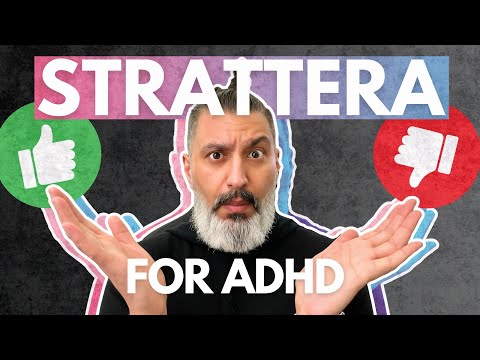
So, you’ve heard about Strattera and Adderall, huh? Maybe you or someone you know is juggling ADHD and trying to figure out the best way to handle it. Well, let me tell you, it can feel like a maze sometimes.
These two meds are like apples and oranges. They work differently and have their own vibes. Some people swear by Adderall making them feel super focused, while others find Strattera gives them a smoother ride without the rollercoaster highs and lows.
But hey, choosing between them isn’t always clear-cut. It’s more than just picking one over the other; it’s about finding what feels right for you or your loved one.
So grab a snack and let’s dig into this together!
Understanding the Risks and Benefits of Combining Strattera and Adderall for ADHD Treatment
So, you’re curious about the whole mix of Strattera and Adderall for treating ADHD? That’s totally valid. It’s a topic that gets a lot of attention because both medications work differently, and the combination can be a bit tricky to navigate. Let’s break it down.
Strattera, or atomoxetine, is a non-stimulant medication. It basically boosts levels of norepinephrine in the brain. This can help with focus and impulse control, but it tends to work more gradually than stimulants like Adderall. You might notice improvements over a few weeks rather than overnight.
Adderall, on the other hand, is a stimulant that increases dopamine levels. This medication typically acts quickly, helping you feel more able to concentrate right after taking it. However, its effects can fade fast and it might lead to issues like anxiety or restlessness in some folks.
Now, combining these two can be helpful for some people. You know how ADHD symptoms can fluctuate? If someone finds that Strattera alone isn’t cutting it but also struggles with side effects from Adderall alone, their doctor might consider pairing them up. Here’s why:
- Dose balancing: Strattera might help smooth out the highs and lows caused by Adderall.
- Smoother focus: The combination may provide consistent focus throughout the day instead of peaks and valleys.
- Reduced side effects: Sometimes using both can lessen some negative side effects from being on just one medication.
The thing is, mixing these meds isn’t without risks. Some people experience increased side effects like heart rate changes or anxiety when combining them. Plus, let’s be real—everyone reacts differently to meds! What works wonders for one person could be a disaster for another.
Anecdotally speaking, I remember chatting with someone who struggled with ADHD for years—he tried Strattera alone but felt way too sluggish at work. Then he switched to Adderall and felt like he had superpowers! But after a while, those superpowers came with jitters and sleepless nights. His doctor eventually suggested trying both together; they found that sweet spot where he could concentrate without feeling wired all the time.
If you—or someone you know—are considering this combo treatment, definitely have an open chat with your doctor about what feels right for you personally. They’ll look at your unique symptoms and health history before making any decisions.
The bottom line is that while combining Strattera and Adderall can work wonders for some folks’ ADHD management, it has its risks too! So keep communication flowing with your healthcare provider as you navigate what works best for you.
Exploring the Best Treatments for Combined Type ADHD: Effective Strategies for Management
Managing Combined Type ADHD can be a bit of a puzzle, but don’t worry, you’ve got options. The treatment process usually involves a mix of medication, therapy, and lifestyle changes. Let’s break it down.
Medication options play a big role. Two of the most common are Strattera and Adderall.
Adderall is what you call a stimulant medication. It works by increasing levels of certain neurotransmitters in your brain—basically, speeding things up a bit to help with focus and impulse control. Many people see improvements pretty quickly. However, it can also lead to side effects like insomnia or increased heart rate, which isn’t great for everyone.
On the flip side, we have Strattera, which is a non-stimulant option. It works differently by selectively targeting norepinephrine, another neurotransmitter involved in attention and focus. It might take longer to feel its effects—sometimes weeks—but it may come with fewer side effects. For folks who have anxiety or struggle with stimulants, Strattera could be the better fit.
Now, medication isn’t the only game in town when managing ADHD; therapy can be super helpful too! Challenges with organization or time management are common issues for people with combined type ADHD. Cognitive Behavioral Therapy (CBT) can teach skills to handle these hurdles more effectively.
Also, consider behavioral therapy. This approach often involves setting clear goals and consequences for behavior changes. Picture this: if you’re working on staying organized at school or work, having someone help you create systems or routines can make a world of difference.
Don’t forget about lifestyle changes. Seriously! Regular exercise can boost mood and concentration levels—it’s like giving your brain a little workout too! Eating well is important as well; balanced meals support overall brain health.
And let’s not overlook the power of sleeps. You know how cranky you get after a bad night’s sleep? Well, for someone with ADHD, sleep disturbances can make symptoms feel ten times worse. Aim for consistent sleep patterns if possible.
Staying connected with family and friends also matters. A strong support system makes facing daily challenges easier—it’s like your own cheering squad!
To wrap things up: Combining medications like Strattera or Adderall with therapy and lifestyle tweaks creates the best chance for effective management of combined type ADHD. Finding the right mix may take some time—everyone’s different—but staying patient and open-minded is key!
Exploring New Alternatives to Strattera for ADHD Treatment: What You Need to Know
Strattera and Adderall are two well-known medications for ADHD, right? Strattera is different because it’s a non-stimulant. While Adderall works quickly to boost focus, Strattera takes a bit longer to kick in, which can be a game-changer for some folks. But let’s dive deep into the alternatives that are popping up lately.
So, you might be asking, what if Strattera isn’t cutting it or you’re having side effects? The good news is there are options out there—new alternatives that people are exploring. Here’s the deal:
- Guanfacine (Intuniv): This is actually an old medication that was used for high blood pressure but found its way into ADHD treatment. It can help with impulse control and can be taken alone or alongside other meds.
- Clonidine (Kapvay): Similar to guanfacine, it helps calm down hyperactivity and impulsivity. It’s also used for sleep issues sometimes.
- Atomoxetine: You guessed it—this is another name for Strattera! But you might consider working with your doctor to explore dose adjustments or timing changes if it’s not working perfectly for you.
- Cognitive Behavioral Therapy (CBT): Okay, this isn’t a medication but therapy can do wonders! CBT helps change negative thought patterns and build skills to manage symptoms better.
- Dietary Changes: Some people have found improvements by tweaking their diet. Think omega-3 fatty acids found in fish or flaxseeds—these may help brain function but results vary from person to person.
- Mindfulness Practices: Techniques like meditation aren’t just buzzwords; they may help improve focus and decrease stress. It sounds simple, but taking a few minutes each day could be beneficial.
Now, here’s something cool: some studies are looking at how supplements like magnesium and zinc might play a role in managing ADHD symptoms. It’s super early days though, so definitely talk with your doc first before trying these.
And hey, let’s remember that what works for one person might not work for another. If you’ve gotta find your perfect fit among these options—or even figure out if combining treatments could help—it’s all about that conversation with your healthcare provider.
Look, when I was younger, I remember my friend struggled really hard with focusing in class. After so many ups and downs with different meds like Adderall and Strattera—she finally tried therapy combined with some lifestyle changes—and it totally shifted things for her! She became more balanced overall and developed ways to cope with those moments of distraction.
So whatever route you’re thinking about, just know there’s no one-size-fits-all solution out there. It’s all about finding what clicks for you!
When it comes to treating ADHD, the choices can feel a bit overwhelming. You’re probably aware of Strattera and Adderall, but figuring out which one’s right for you or someone you care about is no small feat. I mean, they’re both commonly prescribed, but they work in pretty different ways. Let’s break it down a bit.
Adderall is a stimulant. It works by increasing dopamine and norepinephrine levels in the brain, which helps with focus and attention. Many people find that it gives them that extra push to get through tasks and stay organized. But hey, stimulants aren’t for everyone. Some folks might experience side effects like anxiety or insomnia, which can be frustrating, especially when you’re just trying to manage your life better.
Then there’s Strattera (atomoxetine), which is actually a non-stimulant option. It works differently; it’s more about increasing norepinephrine levels without hitting on those dopamine pathways like Adderall does. Some people prefer it because it often has a milder side effect profile and isn’t associated with the same potential for abuse as Adderall—definitely something to consider if you’re nervous about addiction.
I remember talking to a friend who was struggling with ADHD symptoms at work—she just couldn’t seem to focus during meetings or keep her calendar straight. She tried Adderall first, thinking it’d solve everything instantly since all her friends were raving about how well it worked for them. But after a couple of months, she realized she felt more jittery than productive and started dealing with sleepless nights.
After some discussions with her doctor, she switched to Strattera and found that the transition was much smoother for her lifestyle—it didn’t give her that intense rush but rather helped regulate things over time. She told me she felt calmer and more in control without the highs and lows that came from stimulant use.
It’s crucial to remember that everyone reacts differently based on their unique brain chemistry and lifestyle factors—what works like magic for one person might not even touch another’s symptoms. There’s no one-size-fits-all approach here.
Ultimately, whether you lean towards Adderall or Strattera—or maybe even another option—you should definitely chat with your healthcare provider about what feels right for you personally or whoever you’re helping navigate this journey. It can be a trial-and-error process, but finding the right fit can mean better days ahead!