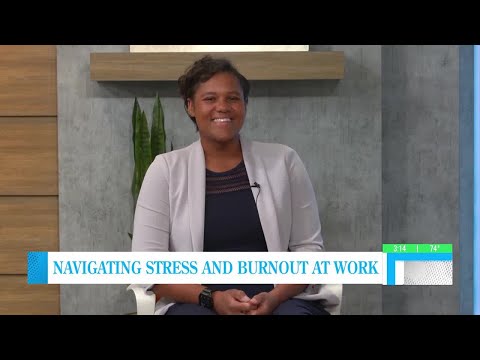
You know that feeling when your to-do list is longer than your arm? Yeah, that’s stress.
Work has a way of piling on, doesn’t it? Emails, meetings, deadlines—like you’re in a never-ending race. And let’s not even get started on burnout.
It sneaks in quietly, and before you know it, you’re running on fumes. We’ve all been there.
So here’s the thing: managing stress and avoiding burnout isn’t just about toughing it out or grinding harder. No way! It’s about finding balance and figuring out what works for you.
Let’s chat about that!
10 Common Workplace Stressors and How to Manage Them Effectively
Sometimes, work can feel like a never-ending cycle of stress, right? Whether it’s the deadlines piling up or the office drama, we’ve all been there. Let’s talk about some common workplace stressors you might face and how you can deal with them effectively.
1. Heavy Workloads
When you’re juggling too many tasks, it can feel overwhelming. Deadlines loom like storm clouds above your head, right? To manage this, prioritize your tasks. Try using a planner or an app to keep track of what needs to be done first. Breaking down big projects into smaller chunks can really make things more manageable as well.
2. Lack of Control
Feeling like you have no say in your work life is frustrating. It can cause anxiety because, well, we all want to feel empowered! You might try to communicate your ideas or suggestions to your manager. Sometimes just knowing you’ve voiced your concerns helps alleviate some stress.
3. Poor Communication
This one’s huge! When communication breaks down, misunderstandings are sure to follow. If you’re feeling confused about a project or task requirements, don’t hesitate to ask for clarification from coworkers or supervisors. Establishing open lines of communication helps everyone stay on the same page.
4. Office Politics
Ugh, isn’t that the worst? Navigating relationships and dynamics at work can be tricky and mentally draining. Focus on building positive connections with coworkers instead of getting tangled up in drama. Remember, it’s about teamwork!
5. Job Insecurity
With so many changes happening in industries today, it makes sense to feel uneasy about job stability which can lead to heightened anxiety levels for sure! Stay proactive by continuously improving your skills and networking within and outside your company.
6. Lack of Support
When you’re feeling alone in tough situations at work, it amplifies stress levels dramatically! Seek out a mentor or supportive colleagues who you can turn to for advice or simply share your feelings with them.
7. Long Hours
Burnout is basically a buzzkill waiting to happen when you’re working long hours nonstop without breaks! It sounds simple but taking regular breaks throughout the day really does recharge energy levels and boost productivity.
8. Unclear Expectations
Not knowing what’s expected from you creates confusion and anxiety! If you’re unsure about what success looks like in your role or project goals aren’t clear? Ask for specific guidance from management so you know where focus is needed.
9. Physical Environment
Sometimes our workspaces are less than ideal—think cluttered desks or loud colleagues—that distract us from getting things done efficiently! Consider personalizing and organizing your own space—you’d be surprised how a little organization goes a long way!
10. Work-life Balance Issues
It’s super crucial to find that sweet spot between work responsibilities and personal life so that one doesn’t swallow the other whole! Set boundaries by sticking firm on when work ends each day so you have time for yourself too!
At the end of the day, tackling workplace stressors isn’t just about handling what’s in front of you—it’s also about building resilience over time while learning coping strategies that fit YOUR needs best! So take a deep breath and know you’ve got this!
Recognizing Burnout Symptoms: Key Signs and Effective Coping Strategies
Burnout is more common than you think, especially in today’s fast-paced work environment. You might be feeling it and not even realize it. So, what’s burnout, anyway? It’s basically a state of physical, emotional, and mental exhaustion caused by prolonged stress. You know that feeling when you wake up and dread going to work? Yeah, that could be a sign.
Recognizing the Signs is super important if you wanna tackle burnout head-on. Here are some key symptoms:
- Constant Fatigue: If you’re always tired no matter how much sleep you get, that’s a red flag.
- Decreased Performance: Tasks that used to feel easy now seem impossible. You may feel like you’re running uphill with no end in sight.
- Emotional Numbness: Having trouble feeling happy or sad? Emotional detachment can sneak up on you.
- Irritability: Feeling short-tempered or easily frustrated with your coworkers? That’s another signal.
- Cynicism: If everything feels pointless or you start hating your job, that’s burnout talking.
I remember this one time when I was just done with everything at work. I used to love my job, but one day I realized I was just going through the motions. My coffee couldn’t save me anymore! I felt drained and unmotivated.
So once you’ve recognized these symptoms, what do you do about it? Let’s talk about someCoping Strategies. Seriously, these can make a world of difference:
- Take Breaks: Short breaks throughout the day help recharge your batteries. Go for a walk or grab a snack!
- Set Boundaries: Learning to say “no” is huge! Don’t take on more than you can handle.
- Pursue Hobbies: Engage in activities outside of work that spark joy—painting, hiking, whatever makes you happy!
- Talk It Out: Sometimes just sharing how you feel with someone—a friend or therapist—can lighten the load.
- Meditation & Mindfulness: Take time to breathe deeply and focus on the present moment. Apps like Headspace can help!
You see? Addressing burnout isn’t rocket science; it’s all about listening to yourself and taking action before things spiral out of control.
Now remember that everyone goes through stressful times at work—it’s totally normal! But recognizing those burnout symptoms early gives you the power to fight back before they take over your life. So pay attention to how you’re feeling and make those changes—you deserve it!
Overcoming Workplace Burnout: Effective Strategies for Employees and Employers
Overcoming workplace burnout is something many of us can relate to, right? It’s that exhausting feeling when work just seems endless, and you’re running on empty. Burnout doesn’t just affect your productivity; it can impact your mental health, relationships, and overall well-being. Let’s talk about some effective strategies for both employees and employers to tackle this issue.
First things first: **recognition is key**. Employees need to be able to identify signs of burnout in themselves. You might notice you’re feeling more irritable or exhausted than usual, or maybe you dread going into work each day. If this sounds familiar, take a moment to pause and reflect. Acknowledging how you feel is the first step toward making a change.
For employers, creating a supportive culture matters enormously. Remember that transparent communication is vital. When employees feel free to share concerns without fear of backlash, they’re more likely to express their struggles with stress or burnout. So, keep those lines open!
Now let’s get into some practical strategies for employees:
- Take regular breaks. Seriously! Step away from your desk every now and then. Even a five-minute breather can do wonders for resetting your mind.
- Set boundaries. If you’re working from home or have flexible hours, stick to a schedule! Don’t let work bleed into your personal time too much.
- Pursue hobbies. Find something outside of work that excites you—whether it’s painting, biking, or binge-watching your favorite series!
- Practice mindfulness. Techniques like meditation or simple breathing exercises can help ground you when things feel overwhelming.
And for employers? Here are some pointers:
- Promote work-life balance. Encourage employees to use their vacation days and avoid after-hours emails if possible.
- Provide mental health resources. Offering access to counseling services or workshops shows that you care about employee well-being.
- Cultivate teamwork. Team-building activities (even virtual ones) can lighten the mood and make people feel connected again.
- Acknowledge achievements. Recognizing hard work goes a long way in boosting morale and motivation!
Transitioning back from burnout isn’t always easy, but it starts with understanding what contributes to it in the first place. Sometimes it’s just too many tasks piled up! Other times it could be a lack of support from coworkers or even unclear job expectations.
Remember that everyone’s journey through burnout looks different—what works for one person might not for another! Be patient with yourself if you’re on this path.
So yeah, overcoming workplace burnout isn’t an overnight fix; it takes time and effort from both employees and employers alike. But prioritizing mental health at work? Now that’s totally worth it!
You know, stress and burnout at work are, like, everywhere these days. Honestly, it feels like a common thread stitching together so many of our experiences. Take my friend Sarah, for example. She used to be super passionate about her job in marketing. But over time, constant deadlines and a growing workload wore her down. I remember her telling me how she felt just drained, like she was running on empty but still trying to keep up the pace.
When we talk about stress in the workplace, it’s not just about those big projects that loom over our heads. It’s also the little things—the unending emails, unnecessary meetings that feel like they drag on forever, and that pressure to be “always on.” There’s this unspoken expectation that we should be available 24/7. And you get caught up in it without even realizing how much you’re giving away emotionally or mentally.
So why does this even happen? Well, one reason could be the mix of job demands and personal expectations we put on ourselves. It’s like juggling flaming torches while walking a tightrope sometimes! Managing your responsibilities without dropping anything is tough enough; adding in societal pressures only complicates things.
Stress can be sneaky too; it creeps in slowly until you’re neck-deep in anxiety or exhaustion without really knowing when it happened. You start feeling irritable or just flat-out tired all the time—ever been there? I have, and honestly, it’s no fun at all.
But here’s where we can make changes—little shifts that can help us cope better with stress before burnout sets in for real. For instance, taking regular breaks during your day might seem small but can make a big difference. Just stepping away from your screen for a few moments can clear your head! Or maybe giving yourself permission to say “no” once in a while? Protecting your time is way more important than any project deadline.
And let’s not forget about connection—talking to coworkers or friends when things get heavy helps lighten the load too. Because trust me; you aren’t alone in this experience.
So navigating stress and burnout isn’t easy—it requires some intentional effort and focus on self-care among all the chaos of work life today. But seriously? You absolutely deserve to feel good at work—you should feel fulfilled instead of frustrated!