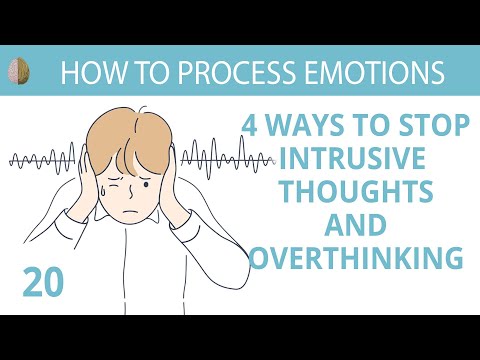
Hey, you know those days when your brain just won’t shut up? Yeah, like, it’s almost like you’ve got a radio playing all the time. And what’s worse? Sometimes it tunes into the most random, intrusive thoughts that just pop up outta nowhere.
Stress and those pesky thoughts can feel overwhelming. They creep in when you least expect it—during a meeting, while you’re trying to chill with friends, or even just when you’re laying in bed at night.
So let’s chat about this stuff. How do we deal with stress and those annoying little thoughts that stick around way too long? Because really, nobody wants to be stuck in their head all day!
Understanding Intrusive Thoughts: Common Examples and Effective Coping Strategies
Intrusive thoughts can be a real pain, right? They just pop into your mind out of nowhere, and sometimes they feel so intense that you can’t shake them off. But don’t worry, you’re definitely not alone in this. Lots of people deal with these pesky thoughts, and it’s helpful to understand what they are and how to manage them.
So, what are intrusive thoughts? They’re unwanted ideas or images that invade your mind. It’s like when you’re watching a movie and suddenly start thinking about something totally unrelated—like what’s for dinner or that weird thing you said last week. These thoughts can be scary or disturbing, often causing anxiety.
An example? Picture this: you’re driving along a nice road when suddenly, an image flashes in your mind of crashing into the car next to you. It’s alarming! But here’s the thing: having those thoughts doesn’t mean you want them to happen or that you’re a bad person for thinking them.
Common examples of intrusive thoughts include:
- Fear of harming yourself or others.
- Doubts about being a good parent.
- Worries about saying something embarrassing in front of friends.
- Thoughts related to religion or ethics that conflict with your beliefs.
It might sound odd, but many folks experience variations of these kinds of worries. The important thing is to remember that these thoughts don’t define who you are; they’re just your brain doing its own weird thing.
Now onto coping strategies. Dealing with intrusive thoughts is all about finding what works for you. Here are some ideas:
- Acknowledge the thought: Instead of fighting it, try saying “Oh, there it is” when an intrusive thought pops up. Acceptance can lessen its power.
- Tune into mindfulness: Focusing on the present moment can help ground you when those unwanted ideas start swirling around.
- Challenge the thought: Ask yourself if there’s real evidence behind it. Often, you’ll find there isn’t!
- Create a distraction: Engage in activities that require focus—like drawing, reading a book, or even going for a walk—to shift your attention away from the thought.
Let me share an emotional tidbit with you: I had a friend who struggled with constant fears about their health after reading one too many articles online. Every tiny ache became something terrifying in their mind—a trip to the doctor was practically torture! But they found relief by practicing mindfulness and talking through their fears with someone supportive. Slowly but surely, they learned how to cope when those anxious thoughts crept back in.
In summary, intrusive thoughts are common and often harmless; they just need some management every now and then. By using strategies like acceptance and mindfulness (and even challenging those pesky ideas), you can ride out those waves without getting swallowed whole by them! So next time one barges into your head uninvited? Just give it a nod and move on—you got this!
Ultimate Guide: Banish Intrusive Thoughts for Good and Reclaim Your Peace of Mind
We all get those random, creepy thoughts sometimes. You know, the ones that pop up out of nowhere and make you feel, well, kind of uneasy? It’s like your mind is playing tricks on you. Those are called **intrusive thoughts**, and let me tell you, you’re not alone in this.
First off, what exactly are intrusive thoughts? They’re basically unwanted ideas or images that just crash into your brain uninvited. One moment you’re chilling out with friends, and the next, BAM! You’re worrying about something that doesn’t even make sense. It can feel a bit like having a song stuck in your head but way less fun.
Intrusive thoughts can range from silly to downright scary. For example, you might suddenly think about how you’d react if a stranger shouted at you. Or maybe it’s more intense—like thinking about harming yourself or someone else, which can really freak you out because that’s so not who you are!
So why do these pesky thoughts happen? Well, sometimes they pop up when you’re stressed or anxious. Imagine you’ve got a big meeting coming up or an exam that’s stressing you out; your mind might resort to these weird distractions as a way to cope—or maybe it’s just trying to get your attention about something deeper.
So how do we deal with them? Here are some ideas:
- Acknowledge them: First things first—don’t try to ignore them. Seriously! Ignoring intrusive thoughts often makes them worse. Just recognize they’re there and remind yourself they don’t define who you are.
- Practice mindfulness: Mindfulness is super helpful here. This means being present in the moment and observing your thoughts without judgment. So when those annoying thoughts creep in, notice them like clouds passing by instead of getting caught up in the storm.
- Challenge the thought: Ask yourself: «Is this thought true?» Often it isn’t! Challenge it with evidence from your life—maybe remind yourself of all the times you’ve acted differently than what those thoughts suggest.
- Engage in distraction: Sometimes, engaging in an activity can shift your focus away from those thoughts. Whether it’s going for a walk or listening to music—find what works for you.
- Talk it out: Feel like sharing is tough? Opening up to a friend or therapist can be a game changer! They might help put those intrusive thoughts in perspective for you.
It’s totally okay if some days feel tougher than others. Like I remember this time my buddy was freaking out over not getting their dream job; all sorts of crazy thoughts filled their head about failing at life or never finding happiness again. But we talked through it—and guess what? They landed an even better gig later on!
Sometimes things might seem bleak when those invasive ideas take over—but remember this: you’re not defined by them. With time and some gentle practice, it’s possible to take back control over your mental space.
So hang tight! Navigating intrusive thoughts isn’t fun but with understanding and some handy strategies under your belt, reclaiming peace of mind becomes totally achievable!
Understanding CBT: Effective Strategies for Managing Intrusive Thoughts
So, let’s chat about intrusive thoughts. You know, those random and often jarring thoughts that pop into your head when you least expect them? They can be super unsettling and even lead to some stress if you dwell on them too long. That’s where cognitive-behavioral therapy, or CBT, comes into play. It’s a type of therapy that helps you manage these thoughts more effectively.
What is CBT?
CBT focuses on the connection between your thoughts, feelings, and behaviors. The idea is that by changing how you think about something, you can change how you feel and act. It’s like reprogramming your brain to react differently to those pesky invasive thoughts.
Now, here are some effective strategies within CBT that might help:
- Identifying automatic thoughts: Start by noticing your intrusive thoughts without judgment. Just acknowledge them as they come. This helps in recognizing patterns.
- Cognitive restructuring: Once you’re aware of these thoughts, challenge them! Ask yourself if they’re really true or if there might be a different way to look at things.
- Mindfulness techniques: Practicing mindfulness can ground you in the present moment. It helps in observing your thoughts without getting tangled up in them.
- Exposure exercises: Gradually exposing yourself to what scares you can lessen its power over time. Like facing a fear of public speaking by starting with small group discussions.
- Behavioral activation: Engaging in positive activities can shift your focus away from intrusive thoughts and towards enjoyable experiences.
Let me share a quick story—imagine Sarah, who constantly worries about saying something embarrassing during conversations. She would often replay past interactions and imagine worst-case scenarios over and over again. Through CBT, she learned to spot her automatic thought patterns—like “Everyone thinks I’m awkward”—and challenge those perceptions with evidence.
The importance of practicing: You won’t get it perfect right away! Seriously, therapy is like working out; the more you practice these strategies, the easier they become over time.
It’s also worth mentioning that while CBT is super effective for managing intrusive thoughts, it’s okay if it doesn’t work for everyone right away. Sometimes it takes a little experimenting with different techniques or even trying other therapeutic approaches.
In essence, managing intrusive thoughts is about taking control back from them. By using tools from CBT, like identifying those pesky automatic thoughts and challenging them head-on, you’re building resilience against stress. So give yourself some grace—you’re learning and growing through this process!
You know, we all hit those rough patches in life where stress feels like that annoying friend who just won’t leave you alone. And then there’s those intrusive thoughts popping up like unwelcome guests at a party. It’s like you’re having a perfectly fine day, and suddenly your brain decides to throw in a “remember that embarrassing moment from five years ago?” Yeah, super comforting.
Stress can sneak up on you in so many ways. Maybe it’s work piling up or the pressure of trying to maintain relationships. It can feel suffocating, right? You might be going about your day—happily sipping coffee or scrolling through your phone—and then BAM! That heavy feeling washes over you outta nowhere.
Not too long ago, a friend of mine shared their struggle with these exact issues. They were juggling school, a part-time job, and family expectations. One night, while studying for exams, they just lost it, overwhelmed by all the noise in their head. It was tough to watch because I could see how much they cared about everything but felt so weighed down by the pressure.
And then there are the intrusive thoughts—those sneaky little reminders of things you’ve done or worse yet, fears that grip you tight. It’s amazing how something so simple can create such a storm inside your mind. “What if I mess this up?” or “Do people really think I’m good enough?” It’s exhausting!
So how do you navigate through this tangled mess? There’s no magic wand here, but learning some coping strategies can help keep that stress from taking over your life. Some folks find mindfulness useful; focusing on the present moment rather than letting those worries crash the party can be a game-changer. Others might lean into talking with someone—a therapist or even friends who get it—just to vent and have a safe space to unload.
You see? You’re not alone in feeling this way. Stress and intrusive thoughts are pretty common companions on this journey called life. Acknowledging them is half the battle—you start figuring out how to manage them instead of letting them manage you. So remember: when stress knocks at your door with relentless questions and doubts, it’s okay to send it packing for a bit while you catch your breath!