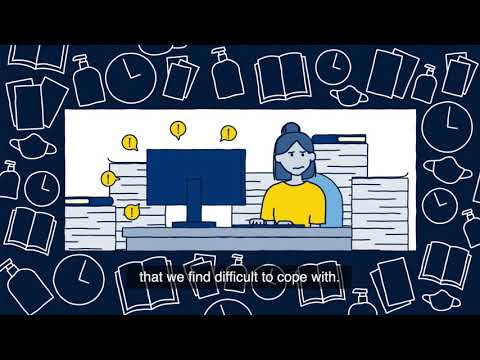
Hey there! Stress, right? It’s like that annoying friend who just won’t leave you alone. Seriously, it can creep up on you when you least expect it.
You know those days when everything feels heavy? Work’s piling up, family stuff is wild, and your mind just won’t chill? Been there. It’s exhausting.
But here’s the thing: managing stress doesn’t have to be a struggle. There are simple strategies that can help you catch your breath and feel better.
Let’s explore ways to kick stress to the curb and boost your wellbeing. Ready? Let’s jump in!
5 Effective Strategies to Enhance Your Wellbeing: A Guide to Promoting Mental Health
Your mental health is super important, and there are ways to enhance your overall wellbeing. It’s like making a little toolbox for your mind, you know? Here’s a look at some effective strategies to help you manage stress and boost your mental health.
- Practice Mindfulness: This is all about being present in the moment. Mindfulness can reduce stress and anxiety by helping you focus on what’s happening right now instead of worrying about the past or future. You can try meditation or just take a few minutes to pay attention to your breath. When I started focusing on my breathing during my morning coffee, I noticed my mind felt clearer and less cluttered.
- Stay Active: Movement is huge for mental health. Exercise releases chemicals in your brain that feel good, like endorphins. Whether it’s going for a walk, hitting the gym, or dancing around in your living room, find something you enjoy! Personally, I started taking short walks every day outside—like just 20 minutes—and it made me way happier. Seriously.
- Connect with Others: Social support plays a vital role in enhancing wellbeing. It’s about having people you can talk to when life gets tough. Even just texting a friend or sharing dinner with loved ones can lift your spirits. Remember that time when you laughed until your stomach hurt with friends? That connection really matters.
- Set Goals: Having something to work towards gives you purpose and motivates you. It doesn’t have to be big; even small goals count! Maybe it’s reading that book you’ve been eyeing or trying out a new recipe. Every time you achieve one of these little things, it’s like adding another win to your day!
- Prioritize Sleep: Never underestimate the power of good sleep! Lack of sleep can really mess with your mood and energy levels. Create a bedtime routine that helps signal to your body that it’s time to wind down—like dimming the lights or putting away screens an hour before bed. You’ll wake up feeling refreshed instead of grumpy.
Implementing these strategies isn’t about perfection; it’s more about finding what works best for you and sticking with it as best as you can. Your mental health deserves as much care as your physical health does!
Discover the Most Effective Stress Management Strategies for Enhanced Mental Well-being
Stress can really take a toll on your mental health, you know? Finding ways to manage it is key to feeling better overall. Let’s talk about some effective strategies to help keep stress in check and enhance your well-being.
Mindfulness Meditation is a game changer. It’s all about being present in the moment. You sit quietly, focus on your breath, and notice thoughts without judgment. Just let them float away like clouds. I remember feeling overwhelmed with work deadlines once, and taking just 10 minutes to meditate transformed my perspective completely.
Physical Activity is huge too. Seriously, moving your body releases those feel-good chemicals called endorphins. Whether it’s a long walk or hitting the gym, find something that gets you pumped. I once joined a yoga class out of curiosity and ended up feeling so relaxed afterward—it was like magic!
Deep Breathing Techniques are simple yet super effective when anxiety kicks in. Try inhaling deeply through your nose for a count of four, hold for four, then exhale through your mouth for six. Do this a few times, and it can really help calm those racing thoughts.
Another great strategy is Time Management. Sometimes stress comes from feeling like you have too much on your plate. Make lists or use planners to prioritize tasks. Breaking things down into smaller steps can make even the craziest day feel manageable.
Connect with Others. Sharing how you feel with friends or family can lighten the load immensely. Honestly, I’ve had days where just chatting over coffee made me realize I’m not alone in what I’m going through.
And don’t forget about Coping Skills. Everyone has different ways to handle stress—find what works for you! It could be journaling, drawing, or even hobbies like gardening or cooking that bring you joy.
Incorporating Healthy Eating Habits also plays a part. Eating well fuels your body and mind; think of it as giving yourself the best chance to handle stress better! When I started cooking more wholesome meals at home, I noticed my mood lifted quite a bit.
Lastly, know when to seek help from professionals if needed. Therapy can provide tools tailored specifically for you; it’s not just for those in crisis but also for those looking to boost their mental resilience.
So yeah, managing stress isn’t always straightforward—but piece by piece and day by day, you can build healthier habits that support your mental well-being!
Effective Strategies for Managing Stress and Enhancing Wellbeing: A Comprehensive Guide
Stress is like that annoying friend who just doesn’t get the hint to leave you alone, right? It shows up uninvited and sticks around longer than you’d like. But managing stress is totally possible, and there are some effective strategies you can use to boost your wellbeing.
First off, let’s chat about mindfulness. Mindfulness means being fully present. When you’re feeling overwhelmed, try taking a few minutes to focus on your breath. You know, just breathe in deeply for four counts, hold it for four, and then breathe out for another four. It’s simple but powerful.
Next up is physical activity. Exercise doesn’t mean hitting the gym for hours! Just going for a walk can do wonders. Like my buddy Sam who felt stressed about work; he decided to take short walks during his breaks. And guess what? He felt way better and more focused afterward.
Don’t underestimate the power of good sleep, either. Sleep is our body’s way of recharging. Without it, stress levels can skyrocket. So, make sure you’re getting enough Zs—like 7-9 hours a night if possible! Having a bedtime routine can help here; it signals to your brain it’s time to wind down.
Scheduling “me time” is crucial too. It’s all about carving out time just for yourself—even if it’s just 15 minutes a day! Read a book, listen to music or even try out a new hobby. Find something that makes you feel alive again.
Connecting with others also plays a huge role in managing stress. Talking things out with friends or family can lift some weight off your shoulders. My friend Jess faced burnout recently; she started reaching out to her pals weekly for coffee dates and shared how much lighter she felt after those chats.
If stress feels overwhelming, don’t hesitate to seek professional help! Therapists are trained to help guide you through tough times and offer support when you need it most.
Breathe easy! Taking deep breaths throughout your day reminds your body that it’s okay to relax—seriously! Whenever you catch yourself feeling tense, pause and take a moment to breathe deeply more often than not.
Nurturing positive self-talk is another strategy worth mentioning. You know how negative thoughts creep in? Challenge them! Instead of saying “I can’t handle this,” try flipping it: “I’ve faced challenges before—it’ll be okay.” Your brain listens more than we realize!
Lastly, consider practicing gratitude regularly—it shifts your focus from what’s stressing you out toward what makes you happy. You might want to jot down three things you’re grateful for each evening before bed; it’s surprising how much this little act can improve mood!
Managing stress isn’t about eliminating it completely—it’s more about having the right tools at hand when it shows up unexpectedly.
So give these strategies a whirl, find what resonates with you, and remember: it’s totally okay not to have everything figured out all the time!
Stress can sneak up on you, right? One minute, you’re going about your day, and then bam! You’re overwhelmed, juggling a million thoughts and feelings. Honestly, I think we’ve all been there at some point.
Let me share this moment from my life. I was knee-deep in work projects, and my buddy invited me to go for a hike. At first, I thought, “No way! I don’t have time!” But something nudged me to go. And wow, just being out in nature with fresh air really made a difference. It was like hitting the reset button on my brain.
So, one of the simplest strategies for managing stress is to just step away from what’s stressing you out—even if it’s only for a little bit. Think of it as taking a mini-vacation for your mind. Sometimes people find that just taking deep breaths helps too; inhaling slowly through the nose and letting it out through the mouth can ground you again.
Another thing that works wonders is connecting with people who lift you up. That could be friends or even family members who make you laugh or simply get what you’re going through. Remember those times when just talking it out felt like lifting a weight off your shoulders? Yeah, that’s what I’m talking about.
And don’t forget about movement! Whether it’s yoga or just dancing around your living room (no judgment here!), moving your body has an incredible way of releasing built-up tension and making you feel more alive.
Alongside all this, keep an eye on what you’re putting into your mind. If you’re scrolling through social media and seeing negativity or stress-inducing news all day long—yikes! Taking breaks from that can really help clear the mental fog.
So yeah, managing stress isn’t a one-size-fits-all deal; it’s about finding what works for you personally. And take note: it’s totally okay not to have it all together all the time—none of us do! Just keep trying different things until something clicks because that’s how you’ll find what enhances your wellbeing in the long run.