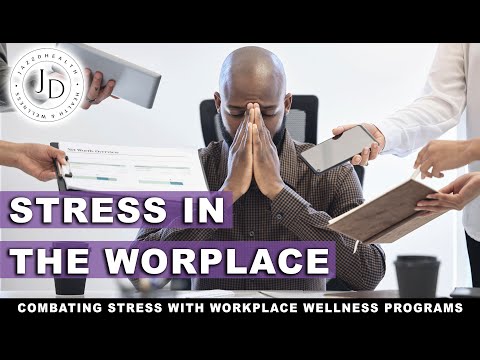
Work can be a total rollercoaster, huh? One minute you’re on top of the world, and the next, you’re just trying to keep your head above water. Stress is like that uninvited guest that overstays its welcome.
You know what I’m saying? It sneaks in during deadlines or those endless meetings and just hangs around. And honestly, it can mess with your vibe—your mood, your energy, everything.
But here’s the thing: it doesn’t have to be all doom and gloom. Seriously! Many companies are catching on and stepping up their game when it comes to employee wellbeing.
So what if there were programs out there designed to help you chill out? Imagine feeling more balanced at work, less overwhelmed, and maybe even a little happier every day. Sounds nice, right? Let’s dive into how workplace stress programs are making waves for employees everywhere!
Boost Employee Well-Being: 5 Effective Strategies for a Healthier Workplace
Creating a healthier workplace isn’t just about fancy perks or office plants. It’s really about boosting employee well-being, and that means tackling the stress that can sneak in. Let’s break it down, shall we?
1. Encourage Open Communication
Fostering an environment where employees feel safe to share their thoughts is super important. You know how sometimes you just need to vent a little? Maybe you had a frustrating meeting or you’re feeling overwhelmed with deadlines. When workers can talk openly, it reduces anxiety and builds trust. You could even set up regular check-ins where everyone gets a chance to express how they’re doing.
2. Promote Work-Life Balance
This one can be tricky but, hey, it’s essential! Encouraging people to unplug after hours or during weekends helps prevent burnout. For instance, if you’re working late all the time and never take a break for yourself, stress is bound to build up. Companies could offer flexible schedules or even remote work options—allowing folks to find that sweet spot between their job and personal lives.
3. Implement Stress Management Programs
Look, stress management isn’t just a buzzword anymore; it’s crucial for keeping employees healthy and engaged. Companies can offer workshops or classes on mindfulness techniques like meditation or yoga. There was this one company that organized weekly meditation sessions during lunch breaks. Employees reported feeling more relaxed and focused afterward—it totally pays off!
4. Foster Social Connections
Having friends at work makes everything better, right? It kind of lightens the load when you have someone to share coffee breaks with or joke around about deadlines—even though those jokes might be dark sometimes! Organizing social events, like team-building activities or casual mixers can do wonders for workplace morale.
5. Provide Resources for Mental Health
Letting employees know there are resources available for mental health support is key! This might mean having an Employee Assistance Program (EAP) in place where they can access counseling services anonymously if they need it—or even offering mental health days where workers can take time off without any stigma attached.
So yeah, these strategies aren’t just some corporate fluff; they really matter in creating a supportive atmosphere for everyone involved! Making these changes won’t happen overnight, but every small step counts toward building a healthier workplace culture that keeps employees feeling valued and happy to come in each day.
Boost Workplace Well-Being: Effective Strategies to Promote Employee Wellness Programs
Promoting employee wellness programs can seriously transform workplace culture. It’s all about creating a healthier, happier environment for everyone. When employees feel good mentally and physically, it impacts productivity and reduces stress. So, let’s break down some effective strategies you can use to boost workplace well-being.
Encourage Open Communication
You know how sometimes you just need to vent? That’s crucial! Fostering an environment where employees feel comfortable sharing their thoughts can work wonders. Regular check-ins, like one-on-ones or team meetings, can provide that safe space. Ask them how they’re doing, not just about work tasks but about life too.
Implement Flexible Work Arrangements
Work-life balance is key! Offering options like remote work or flexible hours lets people juggle their personal lives better. Just imagine a parent who can adjust their hours for school pick-ups—that’s a game-changer! Employees feeling supported in their home life often return to work more focused and motivated.
Promote Physical Health
Physical well-being plays an enormous role in mental health. Consider offering gym memberships or organizing group fitness classes during breaks. You could even create walking groups or challenges to get people moving together. A little fresh air and movement keeps energy levels up!
Provide Mental Health Resources
Seriously, this one’s huge. Making sure employees have access to mental health resources is vital. Whether it’s providing an Employee Assistance Program (EAP) or bringing in therapists for workshops on stress management, showing them that support is available makes a big difference.
Create a Positive Workplace Culture
A culture that celebrates achievements and encourages teamwork fosters a sense of belonging. You could have monthly recognitions where folks appreciate each other publicly or host team-building activities that are fun! When your team feels connected, they’re more engaged.
Offer Skills Development Opportunities
Investing in skills training doesn’t only help your business grow; it also boosts morale! Employees love learning something new—whether it’s leadership training or workshops on mindfulness techniques. This investment shows you believe in them and want them to thrive professionally.
Encourage Breaks and Mindfulness Practices
It might sound simple, but encouraging regular short breaks can help reset focus. Giving folks time to stretch out or meditate can be incredibly helpful—maybe even set up mindfulness sessions during the week? These practices reduce burnout and stress levels significantly.
Incorporating these strategies isn’t just beneficial; it creates an atmosphere where everyone thrives together as a team! Remember, happy employees lead to thriving businesses, so putting energy into wellness programs is totally worth it!
Exploring the 5 Essential Pillars of Employee Wellbeing for a Thriving Workplace
Employee wellbeing has become a major focus for organizations looking to create a thriving workplace. Seriously, when employees feel good, productivity soars, morale lifts, and it’s just better all around. So, let’s break down the five essential pillars that contribute to this wellbeing.
- Physical Health
You can’t really ignore physical health. It’s the foundation for everything else. Providing access to fitness programs or even just encouraging movement during work hours can make a huge difference. Like, remember that time when your friend kept saying they felt more energized after joining a gym? Yeah, exercise does that!
- Mental Health Support
Mental health is super important too. Creating an environment where employees feel comfortable discussing their mental health issues is key. Offering counseling services or mental health days can help shift the stigma away from seeking help. Just think about it; how nice would it be if someone told you taking a day off for your mental health was totally okay?
- Work-Life Balance
Let’s chat about work-life balance. You know how easy it is to get sucked into work and forget about life outside of it? Organizations should encourage boundaries here. Flexible hours or remote work options can really help employees disconnect and recharge more effectively.
- Social Connections
Building strong social connections at work is another huge pillar! When people like each other, they’re happier and more engaged. Think team-building activities or casual Fridays—anything that gets coworkers talking and laughing together is great.
- Professional Development
Finally, let’s not overlook professional development. Employees want to grow; they want their careers to move forward! Training programs or mentorship opportunities show that you care about their future and value their contributions.
Incorporating these five pillars into workplace stress programs can seriously change the game for employee wellbeing. When these elements are in place, you’ll likely notice an increase in retention rates and overall job satisfaction too! So yeah, focusing on these aspects leads not just to healthier employees but also to a healthier workplace culture overall.
Workplace stress programs are becoming more popular these days, and honestly, it’s about time. I mean, who hasn’t felt stressed at work? It’s like this invisible weight on your shoulders. I remember a time when I was juggling tight deadlines and constant emails—it felt like I was in a never-ending race. Seriously, some days it seemed like the stress just crept into my bones.
So, when companies realize that employee wellbeing is key to their success, it’s a win-win. When employees feel supported—through stress management programs or wellness initiatives—they’re not just happier; they’re more productive. Who wouldn’t want that? You can literally feel the vibe change when people are less stressed at work. Conversations become easier, creativity flows better, and team collaboration takes off in unexpected ways.
Programs might include things like mindfulness sessions or yoga classes during lunch breaks, which can really help people step back and breathe for a moment. It sounds simple, but taking just a few minutes to decompress can shift your entire day. Plus, let’s not forget about offering mental health resources—having someone to talk to can make all the difference.
But it’s not just about having these programs in place; it’s also about making sure people feel comfortable using them without judgement. That’s crucial! Imagine being in an environment where asking for help is celebrated instead of stigmatized. Sounds great, right?
In the end, investing in workplace wellbeing is one of those things that pays off over time—you can see it tangibly through improved morale and retention rates too. Like I said before, we all experience stress at work; but having options to handle it might just change everything for the better. So let’s keep pushing those conversations forward!