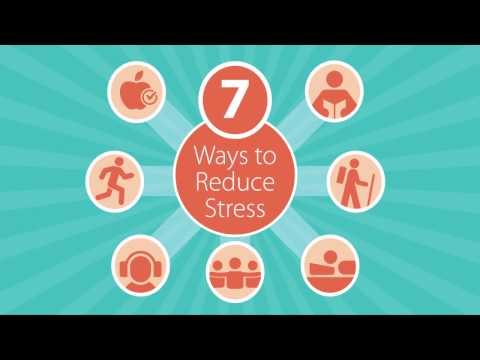
So, work can be kind of a drag sometimes, huh? You know, that feeling when you’re just overwhelmed with deadlines, emails buzzing in your face, and your to-do list seems endless.
Yeah, it’s a lot! But here’s the thing: stress doesn’t have to be your constant buddy at the office. Seriously!
There are these chill strategies that can help you kick stress to the curb and make your workplace feel way more relaxed. Imagine finishing the day feeling accomplished instead of wiped out.
Let’s chat about some cool ways you can take back control and create a healthier vibe at work. What do you say?
5 Effective Strategies to Manage Workplace Stress for Improved Mental Well-Being
Managing stress at work? Yeah, it’s a big deal. You spend so many hours there, and it can really mess with your mental well-being if you don’t handle it right. Let’s look at a few effective strategies that can help you get through those tough days.
Recognize the Signs
First off, you gotta know when stress is creeping in. Are you feeling irritable, overwhelmed, or just plain exhausted? Sometimes we push through without noticing the signs until it’s too late. Pay attention to how you’re feeling. Keeping a journal can help track your mood and stress levels over time.
Set Clear Boundaries
Look, everyone needs personal space—even at work. It’s crucial to establish boundaries around your work hours and responsibilities. Try not to check emails after a certain time or say no to taking on extra tasks that’ll drive you nuts. Just remember: it’s totally okay to put yourself first sometimes.
Take Regular Breaks
This one’s super important! You can’t just grind away all day without recharging your mental batteries. Schedule short breaks throughout your day—like five minutes every hour—to stretch or step outside for some fresh air. Seriously, even a minute of deep breathing can clear your head and help reset your focus.
Connect With Colleagues
Feeling isolated? That can make stress even worse! Talk to someone you trust at work; have lunch together or just chat for a few minutes during the day. Sharing what you’re going through helps lighten the load and reminds you that you’re not alone in this chaos.
Practice Mindfulness
Mindfulness isn’t just a buzzword; it really works! When things start feeling overwhelming, take a moment to ground yourself in the present. Focus on your breath, let go of distractions—maybe even try meditating for a few minutes during lunch breaks or whenever you’re feeling frazzled.
So yeah, managing workplace stress is totally doable if you keep these strategies in mind. The thing is, finding what works best for you might take some trial and error; don’t be hard on yourself while figuring this out! Just remember that taking care of your mental health is key to thriving at work—and everywhere else too!
10 Effective Strategies to Reduce Workplace Stress and Boost Productivity
Stress at work can really pile up, can’t it? You get in, and suddenly there’s a mountain of tasks waiting for you. But don’t worry, there are ways to tackle this issue and make your workplace a lot healthier! Here’s some insight into effective strategies that might just lighten that load.
1. Prioritize Tasks
So, the thing is, not everything has to be done right now. By organizing your tasks based on urgency and importance, you’re setting yourself up for success. Use a simple method like the Eisenhower Box—it helps you see what needs immediate attention versus what can wait.
2. Take Regular Breaks
You know how sometimes you just need to step away from your desk? Well, taking short breaks every hour or so can boost your focus and creativity. Even if it’s just a quick stretch or a walk around the office, those few minutes can recharge your brain.
3. Create a Positive Work Environment
Ever notice how the mood in an office can change with just one person’s attitude? Surrounding yourself with positivity—whether it’s through uplifting decorations or encouraging coworkers—can make a big difference in how you feel. Seriously!
4. Practice Mindfulness
Mindfulness isn’t just buzzwords; it’s about being present and aware of what you’re doing right now. Taking five minutes to practice deep breathing or focus on sensations around you can ground you when stress starts to creep in.
5. Set Realistic Goals
Look, we all want to crush it at work—but let’s be real here, setting unattainable goals is just asking for anxiety! Setting realistic objectives helps keep your motivation high and prevents burnout since you’re actually making progress.
6. Foster Open Communication
Being open with colleagues about stress levels and workloads can create an atmosphere where everyone feels supported. Plus, when everyone’s on the same page, misunderstandings—and their associated stress—tend to fade away.
7. Stay Physically Active
You don’t have to become a gym rat overnight! Even small physical activities throughout the day—like taking the stairs instead of the elevator—can help release endorphins which are basically stress-busters for your brain.
8. Limit Distractions
Let’s face it: constant notifications can drive anyone mad! Try minimizing distractions by turning off non-essential alerts while working on important tasks so you can really focus on what matters most.
9. Seek Support When Needed
Sometimes talking things out makes all the difference! Whether it’s with a trusted coworker or through employee assistance programs (EAPs), don’t hesitate to seek support when feelings get overwhelming.
10. Celebrate Small Wins
Recognizing even minor accomplishments gives your brain positive reinforcement—which is super important for motivation! Treat yourself after completing tasks; it’ll make work feel more rewarding overall.
These strategies aren’t one-size-fits-all but give them a shot and see which ones resonate with you! You got this—work doesn’t have to be all stress and no play!
Essential Stress Management Techniques for the Workplace: Downloadable PDF Guide
Stress in the workplace can really take a toll on you, right? I mean, we all have those days where you feel like you’re juggling flaming swords while riding a unicycle. It’s no joke! But there are some pretty handy ways to manage that stress. Here’s what you might wanna know about essential stress management techniques for your work life.
1. Deep Breathing
This one’s a classic because it works wonders. Taking just a few minutes to focus on your breath can help calm your mind and body. Seriously, when you’re feeling overwhelmed, try inhaling deeply through your nose—hold it for a few seconds—and then slowly exhale through your mouth. Repeat this several times, and you might feel that tension start to fade away.
2. Time Management
When tasks stack up like dirty dishes in the sink, it gets overwhelming fast. Prioritizing your tasks and breaking them down into smaller steps can make life easier. You could use a planner or an app to organize things by deadline or importance… just don’t forget to schedule breaks! Sometimes, taking that breather is how you keep the sanity intact.
3. Get Moving
Physical activity is a game-changer for stress relief. Whether it’s taking a brisk walk during lunch or doing stretches at your desk, moving around helps release those feel-good hormones called endorphins. Plus, it gives your brain a little boost too! When I started walking just 10 minutes every hour, I noticed my mood improving dramatically.
4. Mindfulness and Meditation
Practicing mindfulness means staying grounded in the present moment without judgment—or distraction from that email pinging away on your phone! There are tons of apps out there with guided meditations to help get you started if sitting in silence sounds super intimidating.
5. Connecting with Colleagues
Sometimes just chatting with someone can lighten the load on those heavy workdays. Grab coffee with someone or have quick check-ins throughout the day; this not only builds relationships but also creates support systems.
6. Set Boundaries
It’s easy to let work spill over into personal time—emails at dinner? Nope! Learn to draw boundaries around work hours so you’re not constantly «on.» Trust me; balancing work-life will make coming back fresh and ready instead of drained and grumpy.
7. Seek Professional Help When Needed
If stress feels like it’s way outta control, don’t hesitate to reach out for help! This could be talking with HR about resources they offer or getting professional counseling if needed.
So those are some solid strategies for tackling workplace stress head-on without losing yourself in the chaos of deadlines and meetings! Remember, everyone feels stressed at different points; what matters is how you handle it so you’re not left feeling completely burnt out by Friday night—or worse yet—Monday morning again!
Stress at work, man, it’s a real killer. Seriously, I mean, you know those days when you feel like your head’s about to explode with emails and deadlines? Yeah, we’ve all been there. And it’s not just about feeling overwhelmed; it can really take a toll on your health and happiness.
I remember this one time at my old job. It was crunch time for a big project, and everyone around me was fraying at the edges. You could see the stress on people’s faces—like they were carrying around this invisible weight. A couple of my coworkers started doing little things to lighten the load, like taking quick breaks to stretch or grabbing a coffee together. It’s like they realized that stepping away for even five minutes could help recharge their brains.
Anyway, some effective strategies I’ve seen work include taking those short breaks throughout the day. You’d be surprised how just stepping outside for a few minutes can shift your mood. Breathing exercises also help in calming that racing mind; just inhaling deeply can feel like hitting a reset button.
And hey, don’t underestimate laughter! Sharing jokes with coworkers or even just watching a funny video during lunch—it can genuinely make a difference in how you feel about the day ahead.
Creating open communication is key too. If your boss creates an environment where people feel safe expressing their concerns or stressors? That’s gold! Sharing what you’re dealing with helps lighten that load and often opens up doors for support from teammates.
Incorporating these strategies isn’t rocket science; it’s more about making small changes that build up over time into something bigger—a culture of well-being at work. When you think about it, who wouldn’t want to spend their days feeling a bit lighter and more supported? So let’s remember to breathe easy and look out for each other out there!