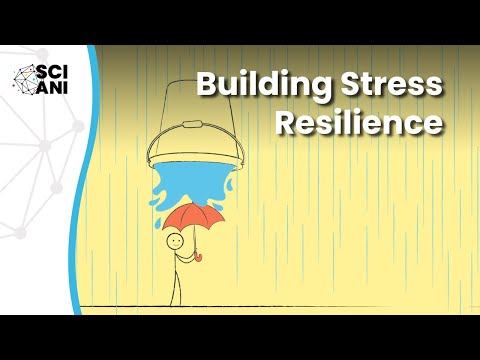
Hey there! So, let’s chat about something we all deal with: stress. Yeah, I know, it’s like that uninvited guest who just won’t leave, right?
But here’s the thing: stress doesn’t have to totally knock us out. Seriously! It can be a teacher instead of a monster. Building resilience through stress tolerance skills is all about flipping that script.
Imagine facing life’s curveballs with a little more confidence instead of panic. Sounds good, huh? You’ll soon realize you can bounce back and maybe even grow from the tough stuff.
So grab your favorite drink and let’s get into it. We’re about to uncover some tools to help you tackle those stressors like a pro!
5 Proven Strategies to Build Resilience Against Stress for a Healthier Mind
Building resilience when it comes to stress can feel like a real uphill battle. But seriously, it’s possible to strengthen your mind and bounce back from tough times. Let’s dig into some of those strategies that can help you develop stress tolerance skills.
1. Embrace Change
Change is a given, right? Learning to accept that things won’t always go as planned can ease a lot of stress. When life throws you curveballs, try viewing them as opportunities for growth instead of obstacles. Imagine you’re at work and your project gets scrapped last minute. Instead of panicking, think about what new skills you might pick up or how this could lead to something even better.
2. Cultivate a Support Network
Who do you turn to when the going gets tough? Having friends or family members around who understand and support you makes such a difference. It’s like having your own personal cheer squad! Maybe organize regular catch-ups or just shoot each other texts when things get rough. Just having someone listen can lighten the load.
3. Practice Mindfulness
Mindfulness is all about being present in the moment without judgment—basically, tuning in to what’s happening right now instead of stressing about the past or future. You could try meditation or simply take a few deep breaths throughout the day. Like, when you’re feeling overwhelmed, sit down for five minutes and focus only on your breathing. It sounds simple but can really ground you.
4. Keep Things in Perspective
When stress hits hard, it’s easy to lose sight of the bigger picture. Try asking yourself if whatever is stressing you out will matter in a week or even next month. Often it won’t! For instance, if you’re anxious about a small mistake at work, remind yourself that everyone messes up sometimes—it happens! Keeping perspective helps reduce that mountain of worry into something way more manageable.
5. Focus on What You Can Control
Life’s chaotic; that’s just how it goes! But here’s the kicker: You can’t control everything that happens around you—what you can control are your reactions and actions! So maybe instead of obsessing over traffic delays or someone else’s bad mood, focus on what actions YOU can take right now to improve your day.
Building resilience takes time and practice, but don’t forget—you’re not alone in this journey! Each small step toward strengthening your mental muscles counts and can make a world of difference when faced with stressors down the line. Stick with it; you’ve got this!
10 Effective Strategies to Build Resilience in the Workplace
Building resilience at work is like training your mental muscles. You get stronger and better equipped to handle challenges. Stress tolerance skills play a big role in this process. Here are some effective strategies to help you build resilience in the workplace.
1. Acknowledge Your Emotions
Don’t ignore what you’re feeling. Whether it’s anxiety about deadlines or frustration with a colleague, recognizing your feelings is the first step towards managing them. When you acknowledge how you feel, it can help reduce their intensity.
2. Focus on What You Can Control
In stressful situations, it’s easy to fixate on things outside your control, like a last-minute project change. Shift your attention to what you can influence instead. Maybe it’s how you approach that project or who you involve in the process.
3. Build Strong Relationships
Surround yourself with supportive colleagues who uplift you during tough times. Having a go-to buddy at work can be a game changer when things get rough. You know that one coworker who always knows how to lighten the mood? Lean on them!
4. Practice Problem-Solving Skills
When issues arise, tackle them head-on instead of letting them fester. Break down problems into manageable parts and brainstorm solutions, like having a mini-brainstorm session with teammates over coffee.
5. Set Realistic Goals
Set achievable goals for yourself rather than aiming for perfection every time. This way, when you accomplish those goals—no matter how small—it boosts your confidence and resilience.
6. Embrace Adaptability
Work environments can change quickly, so being adaptable is crucial. Try stepping out of your comfort zone occasionally—maybe volunteer for a new project or take on different tasks to strengthen your flexibility.
7. Maintain Work-Life Balance
You need time off to recharge emotionally and mentally! Make sure you’re taking breaks, not just during weekends but also throughout workdays. Short walks or even quick chats with friends can refresh your mind.
8. Seek Feedback Constructively
Getting feedback can feel daunting sometimes, but think of it as an opportunity for growth instead of criticism! Ask colleagues for input on projects and learn from their perspectives.
9. Develop Mindfulness Practices
Mindfulness can help ground you in stressful moments—think meditation or simply taking deep breaths before reacting in tough situations at work.
10. Celebrate Your Wins
No matter how small, celebrating achievements builds confidence and motivation! If you’ve finished a challenging task or navigated an obstacle smoothly, give yourself credit where it’s due.
Resilience isn’t built overnight; it’s a gradual process that takes time and practice! By incorporating these strategies into your daily routine at work, you’ll be better equipped to handle stress when it hits and come out stronger on the other side.
5 Powerful Strategies to Build Resilience and Thrive in Challenging Times
Building resilience is like giving yourself a mental toolbox for when life throws some serious curveballs your way. It helps you bounce back from stress and challenges stronger than before. Here are a few powerful strategies that can help you build resilience, especially through stress tolerance skills.
1. Shift Your Perspective
When challenges hit, it’s all too easy to fall into the trap of negative thinking. But what if you tried flipping the script? Instead of seeing a setback as a failure, think of it as a chance to learn something new. Seriously, it’s about reframing those thoughts. You’re not just stuck; you’re on a journey.
2. Practice Mindfulness
Mindfulness is about being in the moment without judgment—like focusing on your breathing or paying attention to your surroundings. When you’re aware of your feelings instead of running from them, you can tolerate stress better. Imagine sitting quietly with your eyes closed and just paying attention to the sounds around you or even how your body feels. It’s grounding.
3. Build Strong Connections
Having people around who uplift and support you is crucial. This doesn’t mean you need lots of friends—just one or two close connections can do wonders! Think about it: when you’re feeling overwhelmed, who do you reach out to? Leaning on loved ones for support helps spread out the weight of tough times.
4. Set Achievable Goals
It’s super important to set realistic goals for yourself, especially when things get tough. Start small! Maybe aim for something as simple as drinking enough water each day or taking a short walk after work. Over time, these small wins add up and boost your confidence in handling more significant challenges.
5. Develop Problem-Solving Skills
Learning how to tackle problems head-on can really increase your resilience levels! Take a minute to think about how you’d approach an issue instead of letting it consume you with worry. Break down problems into smaller steps and brainstorm possible solutions—this makes hurdles feel more manageable.
Resilience isn’t something that magically appears overnight; it’s built through practice and patience while facing stressors head-on! By implementing these strategies in everyday life, you’re not just surviving; you’re thriving no matter what comes at you next!
You know, life throws some pretty hefty challenges our way sometimes. You might find yourself juggling work, family, and personal issues, all while trying to keep your sanity intact. Stress is just a part of the human experience, but how we cope with it really shapes our resilience.
So, here’s the thing: stress tolerance skills are like those magic tools you can whip out when life starts feeling overwhelming. It’s about being able to face tough times without completely crumbling. Imagine this: you’re at a family gathering, and your relatives start asking about your life choices—classic! Instead of spiraling into anxiety or snapping back defensively, having good stress tolerance skills helps you stay calm and collected. You could take a deep breath and redirect the conversation or even laugh it off.
Building these skills isn’t just for big moments; it’s about the small stuff too. Like when your coffee spills all over your laptop right before an important deadline—ugh! Instead of losing your cool and becoming a storm cloud of frustration, you can remind yourself that it’s just a setback. You get up, clean it up as best as you can, and maybe even chuckle at the chaos.
It takes practice though. You might start by identifying what stresses you out and then look at those thoughts. Are they really as catastrophic as they seem? You’ll find that many times they aren’t! Learning to reframe negative thoughts into something more manageable can make a world of difference.
And let’s be honest—sometimes we hit bumps in the road that absolutely suck hard. When I was going through a tough breakup, I felt like my whole world was crumbling down around me. But instead of wallowing in it forever, I started practicing mindfulness techniques. Just sitting quietly for ten minutes each day helped me realize I could handle my emotions instead of letting them handle me.
So yeah, building resilience through stress tolerance isn’t about ignoring what’s hard; it’s about facing things head-on and learning how to bounce back stronger than before. Life will always throw its curveballs at us—what matters is how we wield our tools when those balls come whizzing by!