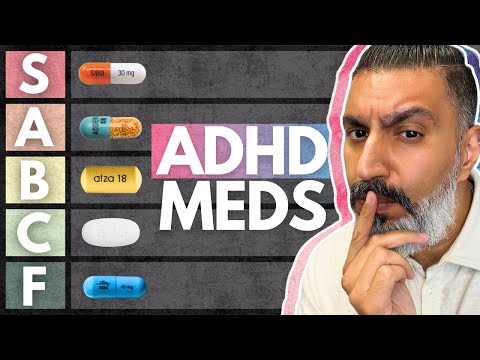
ADHD can feel like a wild ride, right? It’s all over the place. You’re buzzing with energy one moment, and then—poof—focus just vanishes.
Finding the right medication can be tricky. Like, really tricky. What works for one person might not even touch the sides for another.
So, what do you do? How do you navigate this maze of options? Well, hang on tight! We’re gonna break it down together.
Let’s chat about how to find that sweet spot between feeling like yourself and getting stuff done. You’re not alone in this; we’ll figure it out!
Exploring Effective Mental Health Treatments for ADHD: A Comprehensive Guide
Understanding ADHD Treatment Options
Navigating the world of ADHD can be tough. You’re not alone if you’ve felt overwhelmed by all the treatment options out there. So, let’s break it down in a way that makes sense.
Medications
When it comes to medications for ADHD, you usually have two main categories: stimulants and non-stimulants.
- Stimulants: These are the most common and often really effective. They work by increasing certain chemicals in the brain that help with focus and attention—like dopamine and norepinephrine. You might have heard of names like Adderall or Ritalin. They can be a game changer for many people.
- Non-stimulants: If stimulants don’t sit right with you, there are other options. Medications like Strattera can help too but work in different ways by affecting blood pressure and heart rate instead of just boosting brain chemicals.
Now, medication isn’t a one-size-fits-all deal. Sometimes it takes a bit to find what works best for you.
Therapies
Medications alone won’t fix everything, though—let’s talk about some therapeutic approaches that can support your mental health journey.
- Cognitive Behavioral Therapy (CBT): This is pretty popular because it focuses on changing negative thought patterns into more helpful ones. You learn practical skills to manage feelings and behaviors, which can be super useful if ADHD makes everyday tasks feel overwhelming.
- Behavioral Therapy: This approach often involves working on specific behaviors with strategies to reinforce positive ones—like rewarding yourself when you finish a task instead of just getting lost in distractions.
- Family Therapy: Sometimes getting everyone involved helps! Family therapy can improve communication between family members and provide support all around.
A good friend of mine struggled with her son’s ADHD symptoms for years. After trying several medications with mixed results, they ended up pairing his meds with CBT sessions. The change was incredible! He not only improved his focus but also learned coping strategies that helped him feel more in control.
Lifestyle Changes
Beyond medication and therapy, little changes to your routine can also make a difference:
- Diet: Eating healthy foods might not seem related, but nutrition plays an important role in overall well-being. Think about balanced meals rich in protein and omega-3 fatty acids; they may help boost brain function.
- Exercise: Regular physical activity isn’t just great for the body; it’s linked to better mood regulation too! A simple walk or playing a sport could really help improve focus.
- Sufficient Sleep: Lack of sleep totally messes with attention spans, so prioritizing quality rest is crucial!
It’s all about finding what combo works best for you or someone close to you dealing with ADHD challenges.
The Bottom Line
Going through treatment options for ADHD is like piecing together a puzzle—it takes time! Medications play an important role but mixing them with therapy and lifestyle adjustments creates a stronger foundation. So keep exploring different avenues until you find what fits best for your life!
Top ADHD Medications for Effective Emotional Regulation: A Comprehensive Guide
When it comes to managing ADHD, finding the right medication can really help with emotional regulation. It’s a bit of a journey, but understanding what’s out there makes it easier. So let’s chat about some of the main types of medications used to treat ADHD and how they can help you feel more balanced.
Stimulants are usually the first line of treatment for ADHD. They work by increasing the levels of certain brain chemicals, like dopamine and norepinephrine, which are crucial for focus and impulse control. You might hear names like Adderall or Ritalin. Both can improve attention and decrease impulsivity, helping you manage those overwhelming emotions better.
But here’s the thing: while stimulants work wonders for many, they’re not for everyone. Some people experience side effects like increased anxiety or sleep issues. It can be tricky! If stimulants aren’t working out, you might look into non-stimulant medications. These include options like Strattera. Strattera works differently; it affects norepinephrine without the stimulating effects of other meds. Some folks find this helps with emotional regulation without making them feel jittery.
Now let’s talk about dosage and timing because they’re important in making these meds work effectively. Finding the right dose often takes some trial and error—what works wonders for one person might not do much for another. You know? That means regular check-ins with your doctor to fine-tune things until you hit that sweet spot.
Another aspect to consider is combining medication with behavioral therapy. Seriously, sometimes meds alone aren’t enough to deal with everything ADHD throws at you. A good therapist can teach coping strategies that make emotional regulation easier alongside your medication routine.
Anecdote time! I once knew someone who struggled a lot with managing frustration due to their ADHD symptoms. After starting on Adderall, they noticed a huge change—not just in focus but also how they responded emotionally when things went wrong at work or home. Planning became clearer; days felt less chaotic!
Oh, and don’t forget about lifestyle factors! Things like diet, exercise, and sleep patterns also play into emotional health when you have ADHD—these meds are great tools but not magic wands. Taking care of yourself in those areas can boost your mood even more.
In short, navigating through ADHD medications is all about understanding what options are available and being willing to experiment a little until things click into place for you—or someone close to you who may need support on this journey! Remember: it really is a personal process influenced by your unique needs and experiences.
Top ADHD Medications for Adults: Discover the Most Effective Treatments
So, let’s talk about ADHD medications for adults. It’s not just for kids, you know? Many adults deal with Attention-Deficit/Hyperactivity Disorder, and finding the right treatment can really change things up.
Stimulants are usually the first line of defense when it comes to treating ADHD. They work by boosting certain chemicals in your brain that help with focus and impulse control. Common ones include:
- Methylphenidate: This is found in brands like Ritalin and Concerta. It’s fast-acting and many folks experience benefits quickly.
- Amphetamines: You might have heard of Adderall or Vyvanse. These can also give that needed push for concentration and can last longer than methylphenidate.
But hey, stimulants aren’t a one-size-fits-all solution. Some people might feel anxious or have trouble sleeping when taking them. That’s where non-stimulant medications come into play.
- Atomoxetine (Strattera): This is a popular non-stimulant option. It works a bit differently by targeting norepinephrine instead of dopamine. It might take a little longer to kick in but can be great if stimulants don’t suit you.
- Guanfacine (Intuniv): Originally designed for high blood pressure, this one helps with impulse control and can reduce hyperactivity too.
If you’re considering medication, talking about your experiences is key. I mean, think about it: I once knew someone who jumped from medication to medication trying to find the right fit—it was kind of heartbreaking at times because they were dealing with all these side effects while searching for relief.
Selecting the most effective treatment often involves some trial and error. Your doctor will likely want to start low and see how you react before adjusting any dosages or switching meds altogether.
Also remember: combining medication with therapy can really amplify results! Cognitive-behavioral therapy (CBT) has been shown to help manage symptoms alongside meds quite effectively.
If you ever feel overwhelmed navigating all this info, don’t hesitate to lean on your healthcare provider for guidance! They’re there to help you figure out what works best for your unique situation—because let’s face it, we’re all different!
The bottom line? Finding the right ADHD medication as an adult isn’t always easy but it’s totally possible! Stay informed, stay open-minded, and take everything one step at a time!
Finding the right ADHD medication can feel a bit like searching for a needle in a haystack. Seriously, it’s not always straightforward. I mean, you might be sitting there with your doctor, discussing options, and it can all start to feel overwhelming. You know?
So, imagine this: You’re trying to focus on that important project at work or studying for finals, but your mind keeps wandering to everything else—what’s for dinner, that random TikTok video you saw earlier, or even what color you wanna paint your nails. That’s where ADHD really kicks in and makes life feel like a chaotic whirlwind.
When it comes to meds for ADHD—like stimulants or non-stimulants—each one works differently for different folks. Stimulants usually get all the hype because they often kick in fast and help with focus pretty quickly. But not everyone vibes well with them; some people may find themselves feeling jittery or way more anxious than usual. And let’s be honest: no one wants to feel like they’re buzzing all day but getting nowhere.
Non-stimulant options take longer to show results but can have benefits without those pesky side effects. So it’s kind of a balancing act between speed and stability. It’s crucial to keep an open line of communication with your doctor through this whole process. Because what works wonders for one person might just not click with another.
I remember my buddy who struggled with ADHD for years without finding the right fit. They tried various medications—from Adderall to Strattera—and each time was an emotional rollercoaster. One day they’d feel like they could conquer the world; other days were filled with frustration and sleepless nights. It was tough seeing them go through that—feeling stuck in a loop of trial and error.
But eventually, after patience and lots of discussions about what they were experiencing, they hit the jackpot! They found a combination that worked beautifully for their brain chemistry—and man, did it change everything! Suddenly tasks felt manageable; focusing wasn’t this massive uphill battle anymore.
So if you’re navigating this route yourself? Remember it’s okay if it takes time to find that right medication mix—it really is part of the journey toward feeling better and more balanced in life, you know? Just hang in there!