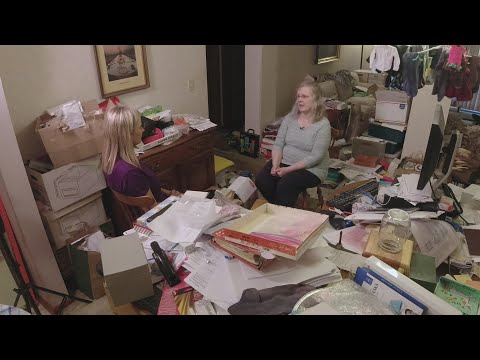
Alright, let’s talk about something that can feel super heavy but is way more common than you might think. Compulsive hoarding—yeah, it’s a thing.
You know how some folks hold onto stuff like they’re collecting memories? It sounds kinda harmless, right? But sometimes, it spirals into this whole situation where it affects their lives big time.
Imagine living in a space piled high with things you can’t let go of. It’s overwhelming, really. But it goes deeper than just clutter; there are some serious psychological struggles at play here.
So what drives people to keep every little thing? It’s not just about being messy. There are emotions tangled up in all that stuff, and understanding that can help us get a clearer picture of what’s going on. Let’s unpack this together!
Understanding the Best Medications for Managing Hoarding Disorder: A Comprehensive Guide
Hoarding disorder can feel like a heavy weight that just won’t lift, and it’s more than just having a lot of stuff. It’s a complex psychological struggle, often linked to anxiety, depression, and trauma. The conflict between wanting to keep items for security and the distress caused by clutter is real. It can feel overwhelming.
When it comes to medications, there aren’t specific pills just for hoarding disorder like you might find for anxiety or depression. Instead, healthcare providers often look at treating co-occurring conditions—like anxiety or obsessive-compulsive disorder (OCD)—that might be making hoarding worse.
Selective Serotonin Reuptake Inhibitors (SSRIs) are commonly prescribed. These medications can help reduce the obsessive thoughts associated with hoarding as they work by increasing serotonin levels in the brain. So it’s kind of like giving your mind a little boost to handle those nagging thoughts that push you to hold onto things.
There’s also research suggesting Clomipramine, an older antidepressant that’s used for OCD, may be effective too. Studies show it can help reduce hoarding symptoms in some folks. But, yeah—this one has side effects and isn’t right for everyone.
Now here’s something interesting: Cognitive Behavioral Therapy (CBT) isn’t medication but often goes hand in hand with it when people are managing hoarding disorder. Essentially, CBT helps change unhelpful thought patterns and behaviors related to hoarding and clutter by teaching practical skills. While meds can ease symptoms, therapy tackles the roots of the problem.
It’s also worth mentioning that support from loved ones is priceless during this journey. Like seriously—having someone who understands what you’re struggling with can make all the difference.
And remember: if you’re thinking about medication or therapy for managing hoarding disorder, don’t hesitate to speak openly with your healthcare provider about your experiences and concerns. They’re there to help you find a balance that’s right for you, whether it’s through meds or therapeutic support—or both!
So while we’re talking about managing these struggles with medication options like SSRIs or Clomipramine alongside therapy, success doesn’t come overnight—it takes time, patience, and the right support system in place to make real changes happen in life!
Effective Strategies to Help a Hoarder Overcome Clutter and Regain Control
There’s a lot to unpack when we talk about hoarding. It’s not just about stuff piling up everywhere; it’s a complex issue tied to emotions and, sometimes, mental health challenges. If you know someone struggling with hoarding, or if you’re even dealing with it yourself, figuring out how to tackle the clutter can feel overwhelming. That said, there are strategies that can really help.
First off, it’s crucial to understand why someone might hoard. Often, people hold onto items because they attach special meanings to them. These attachments can stem from feelings of loss or anxiety. So, the clutter isn’t just clutter—it represents deeper emotional struggles.
Now let’s get into some effective strategies:
Start Small. Rather than tackling an entire room at once—trust me, that can be super daunting—focus on just one area. Maybe that’s a single drawer or a corner of a room. Achieving these small goals can build momentum and motivate further progress.
Set Clear Goals. It can help to have specific objectives in mind when decluttering. For example, “I’ll clear out five items today.” Goals give you something tangible to aim for instead of vague ideas like “cleaning up.”
Use the Four-Box Method. Grab four boxes labeled: keep, donate/sell, trash, and undecided. As you sift through stuff, put items in their respective boxes. This method makes decision-making easier since you have clear categories.
As someone who once helped a friend named Sarah through her hoarding journey, I remember how hard it was for her when we tackled her old craft supplies. Each item seemed meaningful until she realized that keeping every single scrap wasn’t serving her anymore. By using the four-box method, she slowly let go of things she didn’t need but still had those few cherished items.
Emotional Support is Key. Talk about what they’re feeling as they sort through their things. Hoarding can bring up some tough feelings—guilt or shame are common—and it helps to have someone there who gets it and listens without judgment.
Create a Plan for Disposal. If things are leaving your space for good (like from those donation boxes), set a specific day and time when they’ll be taken away or dropped off somewhere. Having an end date helps solidify the action plan!
Establish Routines. After decluttering sessions (which should feel like achievements!), encourage regular maintenance routines—like dedicating 10 minutes each day for tidying up or going through new items before bringing them home.
Ultimately, remember this isn’t just about getting rid of things; it’s about helping someone reclaim control over their life and environment while addressing deeper emotional needs along the way! And hey, every little victory counts in this journey of healing—you’ve got this!
Understanding the Early Signs of Mild Hoarding: What You Need to Know
Hoarding can sneak up on you. One day, everything seems fine, and the next, you’re staring at a pile of stuff that feels impossible to tackle. Mild hoarding isn’t always obvious at first. It often starts with little things and can escalate if not addressed.
So, what exactly are the early signs of mild hoarding? Well, here’s the deal. You might notice that your living space is becoming cluttered in ways that feel uncomfortable but not totally overwhelming yet. Maybe you’re holding on to items that others would see as trash or just unnecessary stuff like old magazines or clothes you haven’t worn in ages.
Here are some key points to consider:
- Difficulty Discarding Items: If you find it really hard to throw away even broken things or duplicates, that’s a sign.
- Emotional Attachment: You might feel an emotional connection to items—like a piece of furniture from your grandparents—even if it’s falling apart.
- Avoidance of Organizing: You may avoid organizing spaces because it feels like too much work or you’re worried about sorting through memories.
- Feeling Embarrassed: If you’re hiding things from friends or family because you worry they’ll judge your space, this can be a big red flag.
- Overwhelmed by Clutter: Even though it’s mild right now, feeling overwhelmed when looking around your home can signal trouble brewing.
It can get pretty emotional too. I remember when my buddy started finding it hard to let go of his old video games—like he had built this huge collection over the years and felt they defined him. He’d say stuff like, “But these are part of my childhood!” which made it tough for him to see them just as objects taking up space or collecting dust.
You know, many people don’t realize that hoarding is connected with deeper psychological issues like anxiety or depression. It’s not just about love for things; there’s often fear involved—fear of losing memories or fear of making mistakes by discarding something valuable.
Now think about this: if someone keeps bringing home extra items but doesn’t have room for them anymore, what happens? Their home gradually becomes less functional and more chaotic. That chaos isn’t just messy; it can be downright distressing emotionally and mentally.
It’s important to catch those early signs before they snowball into something more serious. Getting help when things seem mildly off can make all the difference down the road!
Remember, recognizing these signs is a crucial first step. You’re not alone in this journey if you find yourself in such situations—lots of resources and support are out there waiting for folks ready to reach out!
So, compulsive hoarding, right? It’s one of those things that can feel a bit puzzling if you’re not really familiar with it. Imagine walking into someone’s home and seeing piles of newspapers, old clothes, and random trinkets everywhere. It’s easy to think, “Why can’t they just get rid of some stuff?” But behind all that clutter is often a tangled web of emotions and psychological struggles.
I remember chatting with a friend who had a family member dealing with severe hoarding. She had this heartbreaking story about how her aunt held onto everything—things that were clearly trash to most people. At first glance, it looked like just an issue of organization or cleanliness. But my friend explained how her aunt connected deeply with the items she kept; they represented memories, experiences, even comfort in some twisted way.
People who struggle with hoarding often have underlying issues like anxiety or depression. Seriously, it’s not about being lazy or just liking stuff too much. For many, the act of holding onto items is linked to feelings of loss—a way to cope when life feels chaotic or out of control. You can imagine how overwhelming life events might lead someone to believe that keeping everything is necessary for safety or security.
That’s why the idea of letting go can trigger all sorts of anxiety for someone who hoards. It isn’t just tossing away old shoes; it’s like giving up a part of themselves. They might worry about forgetting crucial moments if they part ways with those items—or even fear what will happen if they’re left without any safety nets.
And it’s not just the physical space that’s affected here. Relationships often take a hit too because loved ones may feel frustrated or helpless watching their family members struggle in this way—not really understanding what’s going on emotionally beneath the surface.
But hey, there’s hope! With therapy and support, people can learn healthier ways to cope with their emotions and tackle their attachments to objects. It’s definitely not an overnight fix; it takes time and patience from both the individual and their support system.
So next time you hear about compulsive hoarding, try to look beyond the mess and remember there’s a real person behind it all—dealing with fears we might not easily see at first glance. It’s complex but worth understanding if we want to help each other out more effectively in this messy journey called life!