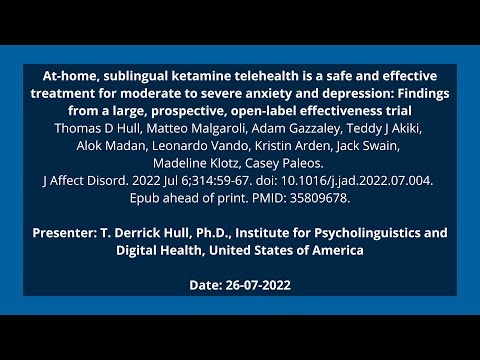
Hey, have you heard about sublingual ketamine? It’s like this new wave of hope for people dealing with depression. Seriously, it’s been making some serious noise lately.
You know how exhausting it is when nothing seems to work? The endless cycle of trying meds and therapies can feel like you’re running in circles.
Well, here’s where ketamine steps in. It’s not your typical antidepressant—it’s got a different vibe.
Imagine finding something that could lift that heavy cloud just when you thought all was lost. Sounds pretty amazing, right? Let’s chat more about what makes sublingual ketamine so intriguing!
Exploring Innovative Treatments for Depression in 2025: What to Expect
So, let’s talk about depression and one of the new kids on the treatment block: sublingual ketamine. You’ve probably heard about the traditional antidepressants like SSRIs, but these can take weeks to kick in. In 2025, people are really starting to see ketamine as a game-changer for those suffering from depression.
Sublingual means you take it under your tongue. The magic happens when it dissolves there—quickly getting into your system. With traditional treatments, sometimes folks feel like they’re stuck waiting around for an eternity. But with sublingual ketamine, many report feeling better in just a few hours! Imagine that weight lifting off your shoulders way faster than you thought possible.
Here’s what makes this treatment so interesting:
- Rapid Relief: Patients often experience significant improvements in mood quickly—sometimes within a few hours of taking it. This is especially helpful for those who are in crisis or have treatment-resistant depression.
- Mechanism of Action: Unlike standard antidepressants that mainly focus on serotonin levels, ketamine works on glutamate pathways in the brain. Basically, it helps stimulate connections between neurons—boosting brain function.
- Crisis Intervention: For someone struggling deeply with their mental health, having a fast-acting option can be life-saving. A friend of mine had been feeling hopeless for months but found real relief through this method after just one dose!
- Accessibility: More clinics and practitioners are starting to offer sublingual ketamine therapy now. In 2025, you can expect more options popping up near you!
The amazing thing? This could change how we approach depression. Many people may not respond well to existing medications or face side effects that make them miserable. Having something that works quickly might give them renewed hope.
The only catch is that research is still ongoing regarding long-term effects and optimal dosing schedules. Some experts worry about potential dependency issues with frequent use. However, most studies indicate that when used properly and monitored closely by a healthcare provider, sublingual ketamine can be safe and effective.
If you’re considering this option or know someone who might be interested, having a conversation with a mental health professional who’s up-to-date on the latest treatments is definitely worth it.
Mental health struggles can really feel isolating at times, but remember—there’s always new hope around the corner!
Exploring Sublingual Ketamine Dosage for Effective Depression Treatment
So, let’s chat about sublingual ketamine and its dosage for treating depression. You may have heard about ketamine as this weird party drug or something, but it’s actually showing a lot of promise in mental health, especially for folks struggling with depression.
Sublingual means you take the medication by placing it under your tongue. This method allows for faster absorption into your bloodstream compared to swallowing a pill. It’s like when you eat something sour and it tingles—what happens is your mucous membranes kick in and help the medication do its thing quicker.
Now, you’re probably wondering about dosage. In clinical settings, sublingual ketamine is often given at doses ranging from 0.5 mg/kg to 1 mg/kg. But here’s the catch: each person is different. Factors like weight, metabolism, and how severe the depression is can play huge roles in determining what works best for you.
- Start Low: Doctors usually begin with a lower dose to see how you react. It’s like dipping your toes into a pool before jumping in!
- Monitor Effects: After that first dose, they’ll watch for side effects or improvements in mood, maybe even readjust as needed.
- Add Frequency: Some people might need more frequent doses initially and then scale back over time as they start feeling better.
- Follow-Up: Regular check-ins with your doctor can help tailor the treatment specifically for you—as it should be!
An example? Say someone weighs 70 kg (about 154 lbs). A starting dose could be around 35 mg if we go with that 0.5 mg/kg idea. For someone else who weighs more or less, obviously, that number shifts.
The goal here isn’t just to throw random numbers out there; it’s about crafting a personalized plan that helps lift your mood while minimizing any wacky side effects—nausea and dizziness are common ones that can pop up.
If you’re looking into this treatment route, talk openly with your healthcare provider about what you’re experiencing. Their guidance will be super key in making sure you’re on the right path!
Exploring Sublingual Ketamine: A Promising Treatment for Depression Relief
Sure! Let’s talk about sublingual ketamine and what’s buzzing around it as a treatment for depression. This stuff has been shaking up the mental health world lately, offering a potential lifeline for folks struggling with depression.
What is Sublingual Ketamine?
So, ketamine isn’t just the party drug some people know it as. It’s been found to have serious potential for treating severe depression, especially when traditional meds aren’t cutting it. With sublingual ketamine, you take it under your tongue, which allows the medication to get into your system faster—like a little shortcut!
How Does It Work?
You might wonder how this actually helps with depression. Well, ketamine impacts your brain in unique ways. It targets glutamate, a neurotransmitter that plays a role in mood regulation. By increasing connectivity in certain parts of your brain, it can help alleviate those heavy feelings that weigh you down.
Fast-Acting Relief
One of the coolest things about sublingual ketamine? It tends to work quicker than traditional antidepressants. While regular meds can take weeks or even months to kick in, people report feeling better within hours of taking ketamine. That’s like an instant boost when you’re really struggling.
Considerations and Side Effects
Now, it’s not all rainbows and sunshine. Like any treatment, there are some side effects you might experience. These could include dizziness or nausea—nothing too pleasant for sure! Plus, because it’s such a new approach, researchers are still figuring out long-term effects and whether repeated use is safe.
Who Can Benefit?
Sublingual ketamine isn’t for everyone though. It’s typically used for individuals with treatment-resistant depression, meaning they haven’t had luck with other medications or therapies. If you’re curious about whether this could be right for you or someone you know, chatting with a mental health professional would be a smart move.
Anecdotal Success Stories
There are real stories out there: folks describing how they felt lost in darkness and then found light again after trying sublingual ketamine treatments. Imagine waking up one day feeling more like yourself after having been stuck on repeat for so long! Sounds hopeful, doesn’t it?
In summary, sublingual ketamine is being explored as an exciting option for treating severe depression—not without its bumps along the way though! It works quickly by altering brain chemistry but comes with potential side effects that need careful consideration.
So if you’re looking into treatment options or just want to learn more about this approach to tackling depression—there’s definitely more chatter in this area than ever before!
So, you’ve probably heard about ketamine, right? It’s kind of been making waves over the past few years as a treatment for depression. But here’s the kicker: they’re now using it in this sublingual form, which basically means you put it under your tongue instead of getting an IV. It’s like a whole new ballgame for folks who have been struggling with their mental health for ages.
I remember chatting with a friend last year who had been battling severe depression. She tried everything—talk therapy, different medications, you name it. Nothing seemed to work long-term for her. One day, she mentioned hearing about sublingual ketamine and how it was changing lives. There was a spark in her eyes I hadn’t seen in ages. She signed up for treatment and, wow! Seeing that shift in her—like she could finally breathe again—was seriously heartwarming.
So here’s the deal: traditional antidepressants can take weeks to kick in and might not even do the trick for everyone. But what studies are showing is that sublingual ketamine can offer relief within hours! Many people report feeling a difference almost immediately after their first dose, which is just mind-blowing when you think about how long some folks have suffered.
Of course, it’s not all sunshine and rainbows. This isn’t some miracle cure-all; managing expectations is key here. Like any treatment, it has its side effects—things like dissociation or nausea can come into play. Plus, it’s still pretty new in the game compared to other treatments, so more research is definitely needed to figure out long-term effects and how best to use it.
But honestly? The fact that people have hope again is huge! Imagine being able to cope with life’s ups and downs without feeling hopeless all the time? It can really feel like a lifeline for those tired of fighting their own minds.
So if you or someone you know has been struggling with depression and feels stuck like my friend once did—it might be worth looking into this option further. Just keep chatting with your healthcare provider about everything because finding what works best can be such a journey in itself!