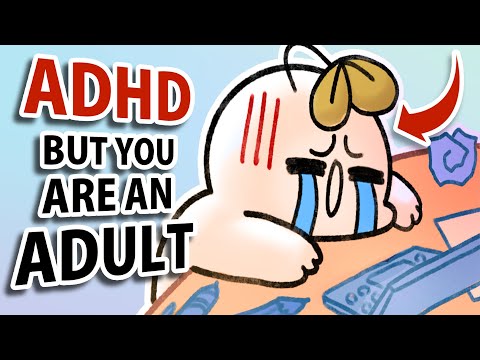
Hey! So, let’s chat about something that might hit close to home—ADHD in adults. You know, it’s not just for kids anymore. Seriously, a lot of grown-ups might not even realize they’re dealing with it.
Maybe you’ve been feeling a bit “off” but can’t quite put your finger on it. Or perhaps you’ve noticed some habits that seem like they just won’t quit, and you’re like, “What’s wrong with me?”
Well, here’s the thing: ADHD can show up in really subtle ways. It’s not all hyperactive kids zooming around the playground. It’s more complicated than that, and sometimes it hides in plain sight.
So, let’s explore those sneaky signs together and see if any of them resonate with you or someone you know. You might just find some answers hiding in plain view!
10 Overlooked Signs of ADHD You Might Not Recognize
ADHD, or Attention Deficit Hyperactivity Disorder, isn’t just about being hyper and unable to focus, you know? It can show up in some pretty subtle ways, especially in adults. Let’s look at some signs that might fly under the radar.
- Difficulty managing time: So, if you’re always running late or underestimate how long tasks will take, that’s a classic ADHD sign. You might find yourself scrambling at the last minute to get things done.
- Procrastination: Putting things off can feel normal sometimes, but if it’s your go-to move on everything from work projects to household chores? That can be linked to ADHD. It’s like your brain just doesn’t want to start.
- Restlessness: Ever fidget with something when you’re supposed to be sitting still? Adults with ADHD often feel restless even if they don’t show it outwardly. You might find yourself tapping your foot or doodling during meetings.
- Emotional dysregulation: Some folks with ADHD struggle more with emotions than people realize. You could find yourself feeling way more upset over minor things than others do or having mood swings that seem out of nowhere.
- Easily distracted: This one may seem obvious, but it goes beyond just being unable to concentrate. If you zone out during conversations or get sidetracked by every little noise around you, it’s worth thinking about.
- Losing things frequently: Ever misplace your keys right after putting them down? For people with ADHD, this happens a lot! You might have a system that works sometimes but still struggle overall to keep track of important items.
- Struggles with organization: If your workspace is a constant disaster zone and keeping plans straight is like herding cats for you, that can signal trouble. Organizing tasks and prioritizing can feel impossible at times.
- Avoiding tasks that require sustained mental effort: Maybe there are reports or paperwork you dread tackling because they feel too boring? Many adults with ADHD tend to shy away from anything requiring prolonged focus and concentration.
- Difficulties in relationships: Sometimes those little quirks create bigger problems in personal connections. Forgetting important dates or seeming insensitive in conversations might make others view you as careless rather than understanding the underlying issue.
- Sensitivity to criticism: Getting feedback can strike harder than it should for someone dealing with ADHD. If criticism feels overwhelming or leaves you feeling defeated rather than motivated, that’s a signal worth noting too.
Recognizing these signs can really help you (or someone close) understand what’s going on inside their head. I remember my friend Sarah who thought her tendency to shift from one task to another meant she was easily distracted; she didn’t realize it was part of something bigger until later on. Finding out helped her manage her life and relationships better!
If any of this resonates with you or someone you know, reaching out for support might be the next step forward—because understanding is key!
Understanding Maladaptive Coping Mechanisms for ADHD: A Guide to Healthier Strategies
Understanding ADHD can feel like navigating a maze sometimes. There are all these twists and turns, especially when it comes to coping with its challenges. You might notice friends or even yourself relying on some pretty tricky strategies to deal with the ups and downs. These are called maladaptive coping mechanisms, and they can often make things worse rather than better.
So, what are those maladaptive coping mechanisms that pop up for folks with ADHD? Well, they usually stem from a desire to feel more in control or to escape overwhelming feelings. Here’s a closer look:
- Procrastination: This is like your brain’s way of saying, «Let’s just not deal with that!» You might put off important tasks until the last minute. That rush of adrenaline can feel good, but it often leads to lots of stress.
- Impulsivity: Acting on impulse can be thrilling at times, but it can also lead you into trouble. Maybe you splurge on something you can’t afford or say something hurtful without thinking it through.
- Avoidance: If you find certain situations too overwhelming, you might avoid them altogether. This could mean skipping social gatherings or dodging responsibilities—again giving that temporary relief but creating bigger issues later.
- Substance Use: Some people may turn to alcohol or drugs as a way to cope with feelings of inadequacy or frustration associated with ADHD.
But here’s the thing: understanding these behaviors is just one piece of the puzzle. It’s vital to recognize that they often arise from an underlying struggle with focus and emotional regulation tied to ADHD.
Let me share an example. Imagine Sarah, who constantly finds herself putting off work projects until the night before their due date. She thinks she works better under pressure—like maybe she’s got this special ability that kicks in during crunch time! But deep down, her procrastination creates panic attacks as deadlines loom closer. This pattern not only affects her job performance but also her self-esteem.
Finding healthier coping strategies is key for people dealing with ADHD symptoms! Here are some positive alternatives:
- Time Management Techniques: Using tools like planners or apps can help break tasks into smaller chunks and set realistic goals.
- Meditation & Mindfulness: Trying out simple mindfulness exercises can really help ground you in the present moment instead of spiraling into anxiety.
- Physical Activity: Regular exercise has tons of benefits—not just for body health but also for mental clarity and mood boosting.
- Therapy: Cognitive Behavioral Therapy (CBT) is particularly effective for learning how to change unhelpful thought patterns tied to ADHD.
So basically, shifting from maladaptive strategies to healthier ones isn’t an overnight fix—it’s more like a journey. And hey, everyone has their ups and downs! But recognizing what doesn’t work is a huge step towards finding what does.
If you’re feeling stuck in those old habits, remember it’s okay to reach out for help! There’s no shame in seeking support from professionals who understand how all this stuff connects. Ultimately, living well with ADHD means figuring out what strategies truly enhance your life instead of holding you back. Stay hopeful; there’s always room for growth!
Recognizing the Signs of Untreated ADHD in Adults: Key Symptoms and Insights
Recognizing the signs of untreated ADHD in adults can be tricky. It’s not like you have a big neon sign flashing “I have ADHD” over your head. Instead, it’s often a bunch of subtle hints that can slide under the radar, you know? Let’s break down some key symptoms and insights to help you or someone you know figure it out.
First off, **inattention** is a major symptom. This isn’t just about being easily distracted. It’s more like your brain has too many tabs open at once. You might find yourself staring off into space during meetings or misplacing things constantly—like your keys or that important document due yesterday.
Another sign is **difficulty with organization**. You could be someone who has the best intentions to keep things tidy but ends up drowning in clutter instead. Pay attention if you’re often running late because you lose track of time while multitasking or if deadlines feel like suggestions rather than actual due dates.
Then there’s **impulsivity**. This might show up as saying things without thinking or jumping into decisions without considering the consequences. Did you ever blurt out something totally inappropriate at a party? Or make an impulse purchase that had you wondering what on earth you were thinking?
Now, let’s talk about **restlessness and fatigue**. You might feel like you’re always on the go, even when you’re mentally exhausted. This isn’t just about physical restlessness; sometimes, it’s more of a mental overload that makes it hard to unwind or focus on one task.
Also worth mentioning is **emotional dysregulation**. So, maybe you’re super reactive in situations where others seem calm? Your mood could swing from zero to sixty in moments, leaving friends scratching their heads—or watching you apologize for overreacting later.
In relationships, enduring issues such as miscommunication may arise due to inattentiveness or impulsivity leading to misunderstandings. Ever had a conversation where halfway through, your mind wandered off and suddenly they’re talking about something totally different?
Lastly, there’s the feeling of being **overwhelmed** by daily tasks—like when even small chores seem monumental. If this happens regularly and leads to procrastination or avoidance behavior, that’s something to notice too.
So yeah, recognizing these signs can be a game changer for handling ADHD effectively! Knowing what they look like helps not just in self-awareness but also in finding support if needed—because understanding is half the battle when it comes to managing life with ADHD!
You know, sometimes it feels like ADHD is all about the big, noticeable stuff. Like, you picture a kid bouncing off the walls or someone unable to stay focused in a meeting. But for adults? It can be way sneakier. I mean, seriously, some signs are so subtle that you might just chalk them up to being a bit quirky or disorganized.
Take my friend Jen, for instance. She’s super smart and really talented at her job. But she always seems to struggle with paying attention during important discussions. Her mind races around like it’s on a fast train—totally here one moment and gone the next! It’s not that she doesn’t care; it’s just that her brain processes things differently. Little things like forgetting important dates or losing track of conversations seem to plague her daily life.
Sometimes adults with ADHD might experience this inner restlessness or sense of overwhelm that people can easily overlook as typical stress or anxiety, you know? You could be sitting at your desk trying to work while feeling this nagging urge to be somewhere else entirely. It’s exhausting! People may even feel like they’re constantly on this weird merry-go-round of tasks without ever getting off.
Then there’s impulsivity showing in less obvious ways—like interrupting others during conversations or changing plans last minute because something «more interesting» came up. These behaviors can make relationships challenging but often get brushed off as being flaky rather than recognizing there’s more going on beneath the surface.
And here’s the kicker: many adults have learned coping mechanisms over time that mask these traits pretty well! So a lot of them walk around without even realizing their brains are wired differently; they’re just doing their best to blend in and keep up with life’s demands.
If anything good comes from opening our eyes to these subtle signs, it’s understanding ourselves and each other better—like checking in on how we really feel instead of just shrugging things off as being part of «adulting.» So if you notice yourself or someone else struggling with focus, organization, or emotional regulation, maybe it’s worth digging deeper into what could be behind those struggles rather than dismissing them as quirks.