You know how some days just feel heavy? Like you’re walking through mud and every step takes way too much effort? Yeah, that’s real.
Sometimes, feeling down isn’t just a phase. It can stick around longer than we’d like. But guess what? There are new ways to tackle that weight.
Ever heard of TMS? It stands for Transcranial Magnetic Stimulation. Sounds fancy, I know! But it’s actually pretty cool and could help flip the script on depression for a lot of people.
So, let’s chat about this option that’s been gaining some serious buzz in mental health circles. It might just be the break you’ve been looking for!
How TMS Treatment Impacted My Life: Personal Experiences and Insights
I can totally share some insights about how Transcranial Magnetic Stimulation (TMS) treatment can impact your life. It’s a fascinating topic, and honestly, it’s been a game-changer for many people dealing with depression.
TMS is a non-invasive procedure that uses magnetic fields to stimulate nerve cells in the brain. Basically, it targets areas that are underactive in folks who are experiencing depression. A lot of people go through this when traditional treatments like medication or therapy just don’t cut it.
Now, let’s talk about those personal experiences. Imagine feeling stuck in a fog for ages, right? It’s exhausting trying to get through daily life when your mind feels like it’s weighed down by bricks. Many individuals have shared how TMS treatment has lifted that fog, allowing them to feel more “themselves” again.
- Improved Mood: One of the most common things people notice is a big boost in their mood. They describe it as emerging from the darkness into the light—like finally being able to breathe after holding your breath for too long.
- Better Focus: Many TMS patients report improved concentration and clarity of thought. It’s like having a cloud lifted off your mind; no more feeling lost in that mental haze.
- Reduced Anxiety: For some, depression often comes hand-in-hand with anxiety. After starting TMS, many have found their anxiety levels decreased significantly, which is such a relief.
- A New Perspective: This one’s huge! With enhanced mood and focus, some folks find themselves gaining new insights about their lives and relationships. Suddenly everything seems less overwhelming.
But let me tell you something: not every experience is sunshine and rainbows right away. Getting used to TMS can take time, and initially, you might feel unsure or even skeptical about how effective it will be for you personally.
For example, I remember hearing from someone who was hesitant at first. They had been through multiple treatments without much luck before trying TMS. After their first few sessions, they thought nothing was changing. But then—bam!—they started noticing little shifts in their mood and energy levels over time.
That gradual change is really important because it reminds you that healing isn’t always instantaneous; sometimes it’s like watching flowers bloom slowly instead of all at once.
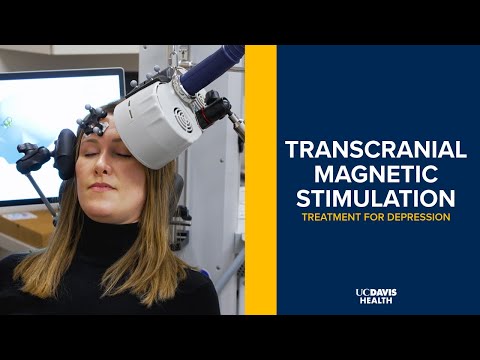
TMS usually involves several sessions over several weeks—like going to the gym for your brain! Each session lasts about 20-40 minutes; you just sit there while they use this magnetic coil on your head (feels kinda weird at first but becomes more normal). You don’t need anesthesia or anything wild like that!
It’s also worth mentioning that many folks experience fewer side effects compared to traditional antidepressants which can be a huge win! No weight gain? Sign me up!
So basically, if you’re thinking about TMS or want to learn more about its potential impacts on life—you’re not alone out there navigating these options. It can truly reshape how you deal with depression and mental health struggles.
Many people walk away from TMS feeling hopeful again; discovering joy in things they thought were lost forever is priceless! And hey, if someone can feel better by giving this treatment a shot? That’s worth exploring further!
Understanding Transcranial Magnetic Stimulation: A Breakthrough Treatment for Depression and Anxiety
Transcranial Magnetic Stimulation (TMS) is a non-invasive treatment for depression and anxiety that’s been getting some serious attention lately. You might be wondering, what exactly is TMS? Well, it’s basically a way of using magnetic fields to stimulate nerve cells in the brain. Sounds sci-fi, right? But it’s actually grounded in solid research.
So, how does it work? Imagine you’re sitting in a comfortable chair, and a device that looks kind of like a large paddle is placed near your head. This device sends magnetic pulses to specific areas of your brain. The idea is to help improve the communication between those areas that may not be functioning optimally in folks with depression or anxiety.
Now, let’s break down what makes TMS really interesting:
1. Targeted Therapy: Instead of just throwing meds at symptoms, TMS aims directly at the parts of the brain involved in mood regulation. It’s like having a targeted missile instead of just carpet-bombing the whole area.
2. Non-Invasive: There are no needles or surgery involved here! You’re awake during the session and can even chat with the technician while it happens. It’s all very chill.
3. Minimal Side Effects: Compared to traditional antidepressants, which can come with a laundry list of side effects—from weight gain to fatigue—TMS tends to have fewer issues. Some folks might experience mild headaches or scalp discomfort, but those usually fade quickly.
Now let’s talk about the process. A typical treatment lasts about 20 to 40 minutes, and patients often undergo multiple sessions over weeks—usually five days a week for several weeks. Many people report feeling better after just a few sessions; others take more time to notice changes.
You might be curious about who can benefit from TMS. It’s generally considered if other treatments haven’t worked out well for someone—like when meds don’t cut it or therapy isn’t enough on its own.
And here’s something important: TMS isn’t for everyone. It may not be suitable for individuals with certain medical implants like pacemakers or those who have a history of seizures, so it’s crucial to discuss your personal health history with your doctor first.
Also worth noting is that while TMS has shown great promise for depression, researchers are exploring its effectiveness for anxiety disorders too—so we’re kind of on the frontier here!
So yeah, TMS represents an exciting shift in how we approach mental health treatment. It offers hope where traditional methods sometimes fall short and opens up new pathways for recovery. Just knowing there are alternatives out there can feel like a weight off your shoulders!
The Controversy Surrounding Transcranial Magnetic Stimulation: Benefits, Risks, and Debates
Transcranial Magnetic Stimulation, or TMS for short, has been kinda making waves in the world of mental health. It’s this non-invasive treatment that uses magnetic fields to stimulate nerve cells in the brain. So, what’s the deal with it? Well, here’s a closer look at its benefits, risks, and all that jazz.
First off, let’s talk about the benefits. TMS is mainly used for treating depression when traditional methods like therapy and medication haven’t worked out. One of the biggest perks is that it can help lift your mood without messing with your entire system the way some medications do. People often report feeling better after a few sessions. And get this: it doesn’t have those pesky side effects like weight gain or sexual dysfunction that some antidepressants throw at you.
But what about the risks? Yeah, there are some things to consider here too. TMS isn’t totally risk-free. Some folks experience headaches or scalp discomfort during treatment. In rare cases, it can lead to seizures—something you definitely want to keep an eye on! It’s super important for anyone thinking about TMS to have a thorough chat with their doctor first; knowing if you have any history of seizures or neurological issues is key.
Now onto the debates surrounding TMS… The controversy tends to bubble up around its effectiveness compared to traditional treatments. Critics argue that while some people do see improvements, it doesn’t work for everyone. A common question is whether it should be considered a go-to treatment or just another option in a long list of possibilities. Also, since it’s still relatively new compared to other treatments, ongoing research is crucial in understanding who would benefit most from it and whether insurance covers it adequately.
Additionally, there are discussions about accessibility and affordability. Not everyone has access to TMS treatments due to costs or availability at local clinics. It can get pretty pricey without insurance backing it up.
So yeah, while TMS shows promise and provides hope for many dealing with depression and certain mental health issues, it’s not without its complications and debates. Just make sure if you’re considering this path—and I mean seriously thinking about it—that you really weigh both sides of the coin and keep communication open with your healthcare providers.
In summary:
- Benefits: Effective for treatment-resistant depression; fewer side effects.
- Risks: Possible headaches; rare but serious risks like seizures.
- Debates: Effectiveness varies; questions around accessibility and cost.
Mental health is such a personal journey! Whether someone ends up benefiting from TMS or decides it’s not right for them really depends on their unique situation and needs.
So, let’s talk about TMS—transcranial magnetic stimulation. It’s one of those advanced treatments that’s been making waves in the mental health world, especially for folks who struggle with depression. You know that feeling when you’re just stuck? You’ve tried this and that, but nothing seems to help? That’s where TMS comes in.
Picture this: I was chatting with a friend who had been dealing with major depressive disorder for years. She was at her wit’s end. Medication always felt like a game of roulette, and therapy helped, but not enough. Then she heard about TMS and thought it sounded a little sci-fi but decided to give it a shot. Fast forward a few months, and she was genuinely feeling lighter. You could see it in her eyes, how they sparkled again.
So what is TMS exactly? It’s non-invasive and uses magnetic fields to stimulate nerve cells in the brain. This focuses on areas that affect mood regulation, essentially giving them a little nudge to wake up or fire better. And here’s the kicker: people often find it works when other treatments haven’t really hit the mark.
Now, it isn’t just some magic cure; it’s not like you walk in one day and suddenly everything’s sunshine and rainbows (if only!). It’s usually part of a broader treatment plan—something you do alongside therapy or medication—but many find it gives them that extra push they need to break free from the chains of depression.
The thing is, we all have different brains reacting differently to treatments based on our own experiences and biology. Some folks might find relief after just a few sessions while others might need more time and commitment. Still, what makes TMS interesting is how personalized these sessions can be; specialists can adjust parameters based on an individual’s response.
But like any treatment out there, there are discussions about access and cost; sometimes insurance doesn’t foot the bill as easily as we’d hope. It frustrates me because here you have this innovative option that could change someone’s life—and then there are barriers to getting it.
In many ways, TMS feels like hope wrapped in something scientifically cool but approachable too—a lot more tangible than some abstract concept floating around out there. If you’re grappling with depression or know someone who is, getting informed about options like this could be life-changing! So if you’re curious or think about exploring new paths toward mental wellness, maybe dive into researching how specialized TMS treatments could fit into the picture for you or your loved ones.