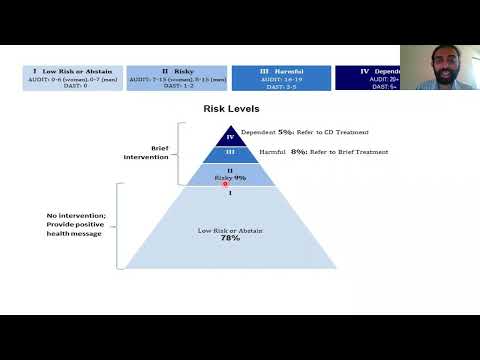
You know, dealing with substance use disorders can feel like wandering through a fog. You’re not sure what’s ahead, or even where to start. The thing is, finding out what’s really going on with someone’s substance use is crucial for getting them the help they need.
So, how do we figure that out? That’s where assessment tools come in. They’re like a flashlight in that fog, helping you see what’s lurking beneath the surface. There are tons of different tools out there, each one shining light on different aspects of a person’s relationship with substances.
But hey, it can all feel pretty overwhelming. No worries! Let’s break it down together and look at some effective ways to assess substance use disorders. It’ll make the whole process feel way more manageable, trust me!
Understanding the 5 PS Screening Tool: A Comprehensive Guide to Assessing Substance Use
Understanding the 5 PS Screening Tool for Substance Use is key to identifying potential issues with drugs or alcohol. This tool is especially useful for healthcare professionals. It’s like having a quick chat that helps reveal if someone might need more support. So, what’s the deal with the 5 PS?
The 5 PS stands for five crucial questions that touch on different aspects of a person’s life related to substance use. Each question aims to uncover habits or behaviors that could indicate a problem. You could think of it as a friendly check-in, you know?
- Problem: Have you ever felt that your drinking or drug use is causing problems in your life? This one really hits home. It makes people reflect on their relationships, work, and health because substance use can creep into all those areas.
- Partner: Is anyone in your life worried about your substance use? Sometimes, our loved ones see things we don’t. Their concern can be an eye-opener.
- Performance: Has your substance use affected your performance at work or school? When you realize you’re not doing your best because of substances, it can be a wake-up call.
- Pleasure: Do you ever feel like you need substances to enjoy yourself or have fun? This one’s really tricky because it blurs the line between social enjoyment and dependency.
- Plan: Have you thought about cutting back or stopping altogether? Being honest about any plans shows insight. It’s like recognizing there’s a roadblock and wanting to find another route.
Each question digs deep into someone’s relationship with substances. It’s not just about saying «yes» or «no.» The real value comes from understanding why these questions matter in someone’s life.
For example, let’s say someone answers «yes» to feeling that their drinking causes problems (the first P). That could spark a conversation about specific instances—like missing family gatherings or having outbursts at work due to alcohol-related stress.
It’s also worth mentioning that this tool isn’t just for clinicians in fancy offices. Anyone can use it as a self-assessment guide! If you’re feeling uneasy about your habits, it can help bring some clarity.
When using the 5 PS screening tool, remember that there are no right or wrong answers—the goal is self-awareness and support. The questions are designed to open up conversations rather than make judgments.
In summary, the 5 PS Screening Tool is more than just questions; it’s an invitation to reflect and seek help when needed. Whether you’re speaking with a professional or checking in on yourself, these five points encourage honesty and dialogue around substance use issues.
Top Tools for Assessing the Effectiveness of Addiction Treatment in Mental Health
Assessing the effectiveness of addiction treatment can be a tricky task, right? It’s not just about kicking the habit; it’s also about how well someone is doing emotionally and mentally. So let’s break down some of the top tools that help professionals figure out what’s really working in substance use disorder treatments.
1. Clinical Assessment Tools
These tools are like the bread and butter of addiction assessment. They often include structured interviews or questionnaires. One popular one is the **American Society of Addiction Medicine (ASAM) Criteria**. It helps clinicians evaluate everything from a person’s medical history to their social situation. This comprehensive approach creates a well-rounded picture of someone’s needs.
2. Standardized Rating Scales
You’ve got scales like the **Addiction Severity Index (ASI)** that measure various life areas affected by substance use—like employment, family, and legal issues. Each time a patient is reassessed, you can see if things are getting better or worse over time. That way, adjustments to treatment can be made based on what’s happening in real-time.
3. Self-Report Measures
Sometimes, you gotta hear directly from people about how they feel things are going. Tools like the **Substance Abuse Outcomes Module** allow patients to report their experiences in their own words. This kind of self-reflection lets therapists understand not just behaviors but also feelings and thoughts tied to those behaviors.
4. Urine Drug Screens
This is a practical tool—it checks for substances in someone’s system at certain points during treatment. If someone claims they’re sober but there are traces of drugs or alcohol popping up, it provides vital information that might suggest changes needed in their approach.
5. Behavioral Observation
Sometimes it comes down to just watching how someone interacts with others or deals with stressors in their life. A therapist might note changes in behavior during sessions or outside activities too—like participating more actively or showing improved coping strategies compared to before treatment started.
6. Feedback from Family and Friends
Involving loved ones can provide insights that the individual might not share openly during therapy sessions. Gathering feedback from family helps create a fuller picture of recovery progress—sometimes people see changes that aren’t obvious to those living inside that bubble.
So, when combining these tools, you get a more complete view of how effective an addiction treatment program is for any given individual. But remember, each person responds differently! What works for one might not work for another; that’s why flexibility is key.
But here’s where it gets emotional: I’ve seen folks who genuinely try their hardest but still feel stuck because maybe one tool doesn’t resonate with them or isn’t capturing their journey accurately—it can be heartbreaking! That’s why using multiple methods allows providers to tailor treatments specifically for individuals rather than treating everyone as just another case number.
All said and done, assessing addiction treatment isn’t black and white—it takes time, patience, and often trial and error to find what really helps each person most effectively.
Top Assessment Tools in Mental Health: Examples and Their Uses
So, you’re curious about assessment tools in mental health, especially when it comes to substance use disorders? Cool! It’s crucial to understand these tools since they help professionals figure out what’s going on with someone’s mental health and how to best support them. Let’s break it down a bit.
What are Assessment Tools?
Basically, these are structured methods used to gather information about a person’s mental state, behaviors, and overall well-being. They can include interviews, questionnaires, and standardized tests. The goal? To create an accurate picture of what someone is experiencing.
1. The DSM-5 Criteria
This isn’t a tool per se but it’s key in assessments for substance use disorders. The Diagnostic and Statistical Manual of Mental Disorders (5th edition) lays out specific criteria for diagnosing various conditions related to substance use. It’s like the rulebook clinicians refer to when associating symptoms with disorders.
2. CAGE Questionnaire
The CAGE is a straightforward screening tool that asks four simple questions. Seriously, just four! It’s designed to identify potential problems with alcohol use:
- Have you ever felt you should Cut down on your drinking?
- Have people Annoyed you by criticizing your drinking?
- Have you ever felt bad or Guilty about your drinking?
- Have you ever had a drink
Alright, let’s chat about substance use disorders. You know, when someone is dealing with these challenges, the journey can be pretty rough. And figuring out how to help them? That’s a whole other story. Effective assessment tools are super important in this process. They help you understand what someone’s going through and how to best support them.
So picture this: imagine a friend who’s been struggling with alcohol use. At first, you might think they just need to “cut back” or something simple like that. But then you realize there’s a lot more beneath the surface. That’s where effective assessments come into play. They dig deeper than just surface-level symptoms.
You have scales and questionnaires that can be really helpful, like the AUDIT (Alcohol Use Disorders Identification Test) or the CAGE questionnaire. These tools ask specific questions that give insight into someone’s relationship with substances. It’s kind of like being a detective—piecing together clues to see the full picture, you know?
Sometimes, though, it feels overwhelming for both the person going through it and for those supporting them. I remember when my cousin went through some tough times with drugs. The assessments felt so clinical and cold at first and made him feel more like a label than a person. But once he found professionals who took time to explain everything, it changed things dramatically.
So anyway, effective assessment tools aren’t just about checking boxes; they’re about connection too. They create pathways for genuine conversations—a way to explore feelings and behaviors without judgment. This really helps in creating an individualized treatment plan that works for each unique situation.
You know what else? Effective assessments shouldn’t stop once they’re done either! Continual assessment is key because people change over time—life happens! Emotions shift, circumstances shift—you name it. Keeping tabs on someone’s progress can lead to timely adjustments in their care.
At the end of the day, using these tools means giving people a fighting chance for recovery rather than just throwing random solutions at them and hoping something sticks! It reminds us all that empathy should be at the heart of every system meant to help others heal from substance use disorders.