You know, when it comes to mental health, there’s this big connection with substance use, right? Like, they often go hand in hand. It’s kinda like a tangled ball of yarn; pull one string, and the other starts moving too.
Many people don’t even realize how much their drinking or using can mess with their mood or anxiety. It’s wild! Seriously—just think about how many folks have a drink to unwind but really end up feeling worse the next day.
So, what if we had a better way to catch these issues right from the start? If we could figure out what’s going on before it spirals? That’s where screening comes in.
It’s all about asking the right questions and getting real answers. This can make a huge difference for people looking for help. Let’s dig into how effective screening can lead to better outcomes for everyone involved!
Comprehensive Guide to Substance Use Screening, Risk Assessment, and Diagnosis of Use Disorders in Adults
Substance use screening and assessment are super important when it comes to getting a clear picture of someone’s relationship with alcohol or drugs. It’s not just about the substances themselves, but how they affect your life, you know? So let’s break it down in a way that makes sense.
What is Substance Use Screening?
Basically, screening is like a first step to see if someone might have a problem with substances. Think of it as a quick check-up for your mental health. You might fill out some questionnaires or have a chat with a healthcare provider about your habits and feelings.
Common tools used in screenings include the Alcohol Use Disorders Identification Test (AUDIT) or the Substance Abuse Subtle Screening Inventory (SASSI). These tools ask questions about your use patterns and how substances affect your life.
Risk Assessment: What’s at Stake?
After screening, there’s risk assessment. This digs deeper and looks at how substance use impacts various areas of your life. Are you missing work? Having fights with loved ones? It’s about assessing the severity of the issue and determining what kind of support you might need.
For instance, if you answer “yes” to several questions about cravings or problems related to substance use on these assessments, it could indicate you’re at a higher risk for developing more serious issues.
Diagnosis of Use Disorders
Now, if screening and assessment show potential issues, then diagnosis comes into play. This typically follows guidelines from sources like the DMS-5. A healthcare professional will look for specific criteria—say having withdrawal symptoms, increased tolerance, or using larger amounts over longer periods than intended.
Let’s say you’ve been using alcohol as a way to unwind after work but start noticing that you’re drinking more than you used to just to feel relaxed. That could be an indicator leading toward diagnosing an alcohol use disorder.
Cultural Sensitivity Matters
When assessing substance use disorders, it’s super crucial for clinicians to consider cultural context. Different backgrounds may have different attitudes toward substances—for example, what might be seen as excessive use in one culture could be normalized in another.
Treatment Planning: Moving Forward
If diagnosed with a substance use disorder, don’t panic! This opens up conversations around treatment options that can help improve your mental health outcomes. Treatments may include therapy options like Cognitive Behavioral Therapy (CBT), medication-assisted treatment (MAT), or support groups like AA or NA.
So basically, getting screened isn’t just checking “yes” or “no” on forms. It’s about opening doors for better understanding and healing… Helping you to live your best life possible! If you think this might apply to you or someone you care about, reaching out for help is the biggest step forward.
Comprehensive Guide to Substance Abuse Assessment Tools: Downloadable PDF Resources
There’s a lot to unpack when it comes to assessing substance use disorders (SUD). It can feel overwhelming, but understanding the tools out there can really help improve mental health outcomes. So, let’s break it down!
First off, what is substance abuse assessment? It’s basically a process where professionals figure out the extent of someone’s substance use and how it affects their life. This isn’t just about checking boxes; it’s about gathering information that paints a more complete picture of a person’s struggles.
There are different types of assessment tools used in this field. Each brings something unique to the table.
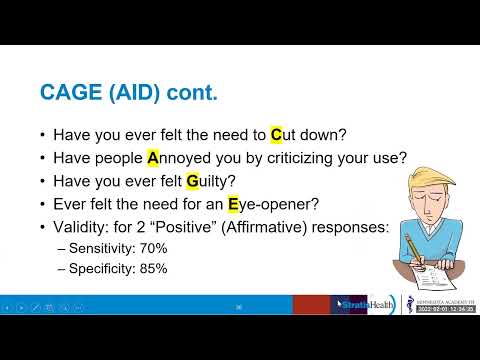
are often quick and easy questionnaires that give you an initial idea of whether someone might have an issue. For example, the **CAGE questionnaire** is super simple—it asks four questions about drinking habits that help identify potential problems.
Then we have
. These are more in-depth and usually conducted by trained professionals. They go beyond initial screening to explore various aspects of someone’s life, including their physical health, psychological state, and social circumstances. The **Structured Clinical Interview for DSM Disorders (SCID)** is one common interview tool.
Another type you might come across is
. Here, individuals provide their own insights into their substance use and its impact on them. Tools like the **Substance Abuse Subtle Screening Inventory (SASSI)** can guide conversations between patients and professionals, helping uncover underlying issues.
Now, what about downloadable PDF resources? Plentiful! Many organizations offer these assessments online for free or at low costs. You can often find materials from reputable sources like the **Substance Abuse and Mental Health Services Administration (SAMHSA)** or even universities conducting research in this area.
Using these tools effectively means integrating them into treatment plans or regular check-ups. For instance, if a screening tool flags potential issues, practitioners can dig deeper with diagnostic interviews—so they’re not just doing one-off checks but rather comprehensive evaluations over time.
Finally, remember that assessment isn’t an end point; it leads to action. Once assessments highlight problem areas, professionals can tailor interventions that address specific needs or risks linked to substance misuse.
In short, while SUD assessments might sound heavy on jargon and processes, they’re super essential for guiding treatment effectively—helping folks get on track toward better mental health outcomes!
Understanding Substance Abuse Screenings: A Comprehensive Guide
Substance abuse screenings, you know, they’re not just some checkbox on a form. They’re really vital tools used to figure out if someone has a problem with drugs or alcohol. In the U.S., these screenings can lead to better mental health outcomes, which is super important because substance use often goes hand-in-hand with other mental health issues.
First off, let’s talk about what **substance abuse screenings** actually are. Basically, they’re structured methods to assess someone’s use of substances and how it might be affecting their life. It could be a questionnaire or a face-to-face conversation with a healthcare provider. And they can help identify risky behaviors early on before things escalate into serious addiction or health problems.
Now, there are different types of screenings out there. Some common ones include:
- Self-report questionnaires: These ask the person about their substance use habits directly.
- Clinical interviews: A healthcare provider talks to the individual to gather information and assess risk factors.
- Standardized tools: These are specific tools like the CAGE Questionnaire, which helps identify potential alcohol problems based on simple questions.
So when you fill out these forms or sit through interviews, you might feel a bit uneasy. But don’t sweat it! The goal isn’t to judge but rather to help. Let me tell you about my buddy Jake. A couple of years ago, he went through a screening when he was seeking therapy for anxiety. At first, he was nervous—being open about his late-night drinking felt scary. But once he got through it, he realized how much it helped him understand his relationship with alcohol and its impact on his mental health.
Why do we need these screenings? Well, substance use can lead to all sorts of consequences—like job loss or relationship issues—that people often don’t connect back to their drinking or drug use right away. But when providers have that information from the screening, they can create better-tailored treatment plans.
And here’s something that might shock you: studies show that early detection through screenings can lead to significantly better recovery rates! When people know there’s an issue before things get too deep in the weeds, they’re much more likely to get help and stick with treatment.
But if you’re wondering what happens during one of these screenings—it’s usually pretty straightforward. You’ll answer questions about your substance use history (like how much and how often), any negative effects you’ve noticed in your life (relationships, work performance), and the reasons behind your substance use (stress relief? social occasions?). It’s all in the spirit of understanding your needs better.
Afterward, based on your answers, clinicians may recommend various pathways for additional support—from counseling sessions to rehab programs—whatever feels right for you.
In summary, substance abuse screenings play an essential role in promoting healthier lives by catching issues early on and paving the way for effective treatment options. If you’re considering one for yourself or a loved one, remember: it’s just part of taking care of your overall well-being!
You know, when we talk about substance use disorders (SUD), it’s like peeling back layers of an onion. Each layer reveals something deeper and often more complicated. One thing that stands out is how crucial effective screening can be for addressing these issues head-on and improving mental health outcomes.
Imagine a friend, someone you really care about—let’s call him Jake. He’s always been the life of the party, cracking jokes and keeping everyone laughing. But lately, he’s been a bit off. He seems more down than up, and you notice he’s hitting the bottle harder than usual. You start to wonder if there’s more beneath that cheerful facade.
That’s where effective screening comes in. It’s like shining a light into those dark corners where issues often hide. When healthcare professionals ask the right questions and use valid tools, they can identify potential SUD much earlier. This can lead to timely interventions that might just save someone like Jake from spiraling further down.
But here’s the kicker: it isn’t just about catching substance use early on; it’s about understanding how it intertwines with mental health. Substance use often becomes a coping mechanism for deeper emotional pain—like anxiety or depression—so if you don’t address both at the same time, you’re kind of missing the point, right?
Effective screening isn’t a one-size-fits-all deal either. It’s got to be compassionate and tailored to each individual, considering their unique experiences and backgrounds. You don’t want to make someone feel judged or shamed; instead, it should feel like a safe space where they can open up about struggles without fear.
When folks are screened properly and get connected to support—whether that’s counseling, medication, or peer support—they’re not just getting treatment for SUD but also for whatever else is going on in their lives mentally; it’s like hitting two birds with one stone! This holistic approach leads to better outcomes overall.
So yeah, effective SUD screening really does play a critical role in paving the way for healthier lives. The more we emphasize this process in our mental health conversations and practices, the better chance we give people like Jake—and so many others—to climb out of that hole they find themselves in. And honestly? That sounds pretty hopeful to me.