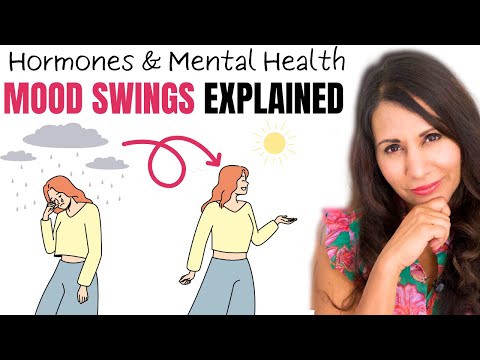
You know those days when you’re all good, then suddenly, bam! Something flips in your head? One minute you’re smiling, and the next, it feels like a gray cloud just parks over you. Seriously, it’s wild how mood shifts can hit us outta nowhere.
I remember a friend of mine had one of those days. We were chatting and laughing, and then—boom—he went silent. Just like that. It’s confusing for everyone involved.
Mood swings can be tricky to navigate. They can leave you feeling lost or even a bit scared sometimes. You’re not alone in this! Let’s chat about what these sudden changes mean and how to manage ‘em without losing your mind. Sound good?
10 Effective Strategies to Manage Sudden Mood Changes
Mood changes can feel like riding a rollercoaster—you know, the kind that makes your stomach drop unexpectedly. One moment you’re on top of the world, and the next, you’re feeling down. It’s totally normal to experience mood swings, but managing them effectively can be a game changer for your mental wellness. Here are some strategies that might help you ride those waves a little bit smoother.
Recognize Your Triggers: Start by paying attention to what sets off your mood shifts. Maybe it’s certain people, places, or even situations. Keep a journal to track when you feel those sudden changes; it can be enlightening and help you identify patterns.
Practice Mindfulness: Engaging in mindfulness techniques like meditation or deep breathing can center you during turbulent times. Just take a moment to breathe in deeply through your nose and out through your mouth. That simple trick? It helps calm your mind and reduces anxiety.
Establish Routines: A predictable daily structure can provide stability when everything feels chaotic. Regular meal times, sleep schedules, and exercise routines might help keep your mood more balanced throughout the day.
Stay Active: Exercise can seriously boost your mood—like magic! Whether it’s a quick walk around the block or hitting the gym for an hour, moving your body helps release those feel-good endorphins that lift your spirits.
Connect with Others: Talking about how you feel with friends or family can make a huge difference. You may find comfort in shared experiences or just the simple act of expressing your feelings out loud.
Limit Caffeine and Sugar: Too much caffeine or sugar might send you on an emotional rollercoaster of its own! Try moderating these substances; they can sometimes amplify feelings of anxiety or irritability.
Engage in Creative Activities: Sometimes expressing yourself through art, writing, or music can help channel those fluctuating emotions into something productive and fulfilling. Just get lost in whatever creative outlet you enjoy!
Practice Self-Compassion: Hey, we all have tough days! Treat yourself with kindness instead of judgment when you’re feeling low or moody. It’s okay to not always be at 100%. Remind yourself that these feelings are temporary.
Seek Professional Support if Needed: If mood swings are significantly impacting your life, reaching out to a therapist could be really helpful. They have tools and strategies dedicated specifically for managing emotional distress effectively.
Managing sudden mood changes takes practice—kind of like learning to ride a bike. You might wobble at first, but eventually you’ll find your balance. Just remember: it’s completely normal to feel ups and downs as part of life. Making even small adjustments can lead to some big improvements!
Understanding Mood Disorders: Exploring Conditions with Sudden Mood Swings
Mood disorders can be tricky, you know? They often hit you like a freight train, causing sudden mood swings that can leave you feeling like you’re on a roller coaster. One moment you’re happy and excited, and the next, you’re down in the dumps or feeling irritable. It’s confusing and, honestly, it can feel a bit isolating.
Let’s break this down. First off, moods are those emotional states we experience regularly. But in some people, these moods can shift dramatically and unexpectedly due to various underlying conditions. Two common mood disorders that lead to these wild emotional swings are Bipolar Disorder and Major Depressive Disorder.
Imagine Sarah; she goes from planning weekend hikes with friends to barely getting out of bed within just a few days. Her friends are worried because they don’t understand how someone can flip so quickly from one extreme to another.
Now let’s talk about types of mood swings. They aren’t all the same! For example:
And what causes these shifts? Well, they could be influenced by genetic factors—we often see mental health run in families—or environmental triggers like stress or trauma. Plus, there are biological aspects too! Neurotransmitters—the chemicals in our brain that help regulate mood—can get thrown off balance.
You might wonder how these disorders are treated. Therapy plays a huge role! Talk therapies like cognitive-behavioral therapy (CBT) help people identify patterns in their thoughts and behaviors that contribute to their mood swings.
Sometimes medication is also involved; antidepressants or mood stabilizers can help level things out for those who need it. Like when Tom started taking medication after years of ups and downs; he finally found some stability.
So when navigating sudden mood shifts in mental health—remember it’s not just about feeling good or bad all the time. It’s deeper than that! Understanding what’s happening inside your mind is part of the journey towards feeling better.
If you think you or someone you know might be dealing with something similar, reaching out for support could be life-changing. Whether it’s talking to friends or seeking professional help—a little understanding goes a long way!
Understanding the Causes of Mood Swings in Women: Insights into Emotional Fluctuations
Mood swings can be like riding a roller coaster, right? One minute you’re soaring high with joy, and the next, you’re feeling low or even angry. For women, emotional fluctuations can often feel even more intense. But what’s behind all this? Let’s break it down.
Hormonal Changes play a major role. Seriously, hormones are like the body’s little messengers. They can be influenced by everything from menstrual cycles to pregnancy and menopause. For instance, during menstruation, fluctuations in estrogen and progesterone can lead to more pronounced emotional shifts. Some ladies even experience something called PMDD (Premenstrual Dysphoric Disorder), which can make mood swings feel extreme.
Stress is another biggie. When life becomes overwhelming—whether due to work demands or personal issues—your emotions can swing wildly. Ever have one of those days where just one more thing going wrong sends you over the edge? Yeah, stress does that!
Psychological Factors also come into play. Conditions like anxiety or depression don’t just create sadness; they can cause mood swings too! If you’re already feeling anxious about something and then encounter a minor setback, it can feel like the world is crashing down. Your mind amplifies reactions because it’s already on high alert.
Another layer is socio-cultural influences. Society often expects women to juggle multiple roles—career woman, caregiver, friend—and balancing it all isn’t easy! These pressures can lead to feelings of inadequacy or frustration when things don’t go as planned.
And let’s not forget about lifestyle factors. Your diet, sleep habits, and physical activity do affect your mood more than you might think! A lack of sleep or poor nutrition can leave you feeling cranky and emotionally unstable. Imagine skipping meals all day—by evening you might just find yourself crying over a spilled drink!
Anecdotally speaking, I remember a friend who always seemed upbeat until she got her period—that’s when things got rough for her. She’d have moments of outright rage over trivial stuff like someone leaving dirty dishes in the sink! It wasn’t until she tracked this pattern that she realized it was linked to her cycle; that awareness helped her manage those mood swings better.
Coping Strategies are essential for managing these fluctuations too. Being aware of triggers is key; once you know what causes waves of emotions for you personally—like stress at work or lack of sleep—you can start implementing strategies to deal with them better.
If you’re dealing with significant mood swings that interrupt your daily life, reaching out for support from friends or mental health professionals might really help. They can offer valuable insights and coping mechanisms to keep your emotional ride a bit smoother.
Mood swings are complex but understanding their causes helps illuminate ways to handle them effectively. That way, when the roller coaster ride begins again—you’ll be strapped in ready to navigate those twists and turns!
You know those days when you wake up feeling like you could conquer the world, and then by lunchtime, you’re just… in a funk? Yeah, that’s what sudden mood shifts are all about. It can really throw you for a loop. One moment, you’re laughing at something silly on TikTok; the next, you’re fighting back tears over a commercial. It’s like your emotions are on a rollercoaster ride, and you’re not even strapped in.
I remember this one time at work. Everything was going well until my boss mentioned an old project I didn’t think about for ages. Suddenly, I felt this wave of anxiety hit me out of nowhere! My heart raced and my thoughts spiraled into “What if I messed it up?” or “What if they hate my work?” It felt pretty intense for just a random mention. Those unexpected swings can be hard to explain to others. One minute, I’m chatting with coworkers about weekend plans; the next, I’m all “just give me five minutes alone.”
These mood shifts can happen for so many reasons—stress from work or school, changes in sleep patterns, or even just the weather can influence how we feel throughout the day. Sometimes it helps to pause and think about what’s going on around us or inside us when these feelings sneak up like uninvited guests.
And look, it’s not just about feeling sad or irritable; sometimes you might suddenly feel super energized and ready to take on anything! It’s like flipping a switch; one moment you’re cozying up with tea on the couch and then—bam—you’re scrolling through home improvement videos like you’re about to start an overhaul on your entire life.
Managing these sudden mood shifts? Well, it’s all about finding your anchors. Maybe it’s talking to a friend who gets it or journaling your thoughts out. Whatever it is that helps ground you for that moment can really make a difference.
Don’t forget even small moments count! Allowing yourself some grace when those unexpected feelings hit can go a long way towards understanding your own emotional landscape better. So yeah, navigating these sudden changes isn’t easy—it’s kind of messy—but each step brings us closer to knowing ourselves more deeply, right? And that’s pretty powerful stuff.