Hey there, have you ever noticed how our minds can sometimes feel like they’re playing tricks on us? One day, you’re sharp as a tack, and the next, it’s like your brain’s running on empty.
For older folks, this can hit hard. Imagine being full of life stories and wisdom one minute, and then struggling with simple things. It’s a tough situation that affects not just them but everyone around them too.
So what do you do when cognitive decline sneaks in? How do you help someone navigate this confusing landscape? It’s all about finding ways to cope and adapt.
Let’s chat about some real strategies that can make a difference—not just for them but for you too.
10 Effective Strategies to Reverse Cognitive Decline and Boost Brain Health
Coping with sudden cognitive decline can be really tough, especially for older folks. It’s like you wake up one day and things just seem a bit fuzzier than they used to. But here’s the good news: there are ways to help boost brain health and potentially reverse some of that decline. Let’s break this down a bit, shall we?
1. Stay Physically Active
Moving your body is super important. Activities like walking, swimming, or even dancing can get those endorphins flowing. And it’s not just about breaking a sweat; exercise boosts blood flow to the brain, which is essential for keeping it sharp.
2. Eat Brain-Healthy Foods
You know the saying, “you are what you eat”? Well, it kind of holds true for your brain too! A diet rich in vegetables, fruits, whole grains, and healthy fats—think avocados and nuts—can really do wonders. Omega-3s found in fish like salmon are especially great.
3. Keep Your Mind Engaged
Challenge yourself! Puzzles like crosswords or Sudoku can be fun and stimulating. Even learning something new—a language or an instrument—can make a big difference in keeping your mind agile.
4. Socialize Regularly
Don’t underestimate the power of connection! Spending time with friends or family helps keep loneliness at bay and stimulates your brain through conversation and shared experiences.
5. Get Plenty of Sleep
Sleep is where all the magic happens! Without good sleep, memory consolidation doesn’t work as well. Try sticking to a sleep schedule so your body gets used to winding down at night.
6. Manage Stress
Stress can really cloud your thinking over time. Finding ways to unwind—like meditation or yoga—can help clear that mental fog and keep you focused.
7. Limit Alcohol Consumption
Moderation is key here! Too much alcohol can impact cognitive functions negatively over time. So cutting back might just help keep your brain in better shape.
8. Stay Hydrated
Water is crucial for every part of your body, including your brain! Dehydration can lead to confusion or memory issues, so drink enough fluids throughout the day.
9. Consider Cognitive Training Games
There are tons of apps designed specifically to challenge cognition through fun games! Whether it’s memory games or strategy challenges, these can be very helpful tools.
10. Regular Check-ups with Healthcare Providers
Frequent check-ups can catch issues early on—whether that’s checking blood pressure levels or evaluating mental health directly with professionals who understand cognitive decline deeply.
So there you have it—you’ve got strategies that really pack a punch when it comes to fighting cognitive decline! Remember that everyone’s journey is unique; what works wonders for one person might not be the solution for another. Just being proactive makes all the difference in maintaining mental clarity over time—it shows you care about yourself or those you love who might need support navigating this challenging aspect of aging.
Understanding the Causes of Cognitive Decline in the Elderly: Key Factors and Insights
Cognitive decline in the elderly can be concerning, right? It’s like one day, everything seems fine, and then suddenly, they’re forgetting names or misplacing things. You know, it can be frustrating for both them and their loved ones. Understanding what causes this decline is super important because it helps us cope better.
First off, age-related changes in the brain play a big role. As we age, our brains naturally shrink a bit and some connections start to weaken. Imagine trying to find your way around a town you haven’t visited in years—you might remember the general area but struggle with the details.
Another major factor is health conditions. Things like diabetes or heart disease can negatively affect blood flow to the brain. Poor circulation means less oxygen getting there, which can lead to cognitive issues over time. This is why keeping up with physical health can make such a huge difference.
Then there’s neurological diseases, like Alzheimer’s or other types of dementia. These are not just normal parts of aging; they involve specific changes in the brain that we understand less about but are definitely serious. It’s like having a leak in a roof—you can’t just ignore it; you need to fix it before bigger problems arise.
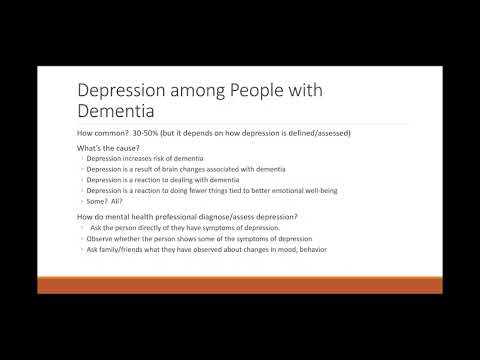
And let’s not forget about mental health factors. Conditions such as depression and anxiety can contribute to cognitive decline as well. Picture someone who feels down all the time; they may not concentrate well or remember things clearly because their mind is preoccupied with negative thoughts.
Lastly, lifestyle choices matter too! Things like diet and exercise play a role here. Eating healthy foods rich in antioxidants (think berries and leafy greens) gives your brain what it needs to work at its best long into old age. Regular exercise is also known to boost memory and overall cognitive function—like giving your brain a workout.
So now that we’ve covered some of these key causes, coping with sudden cognitive decline becomes more manageable if you appreciate what might be happening beneath the surface. When you spot early signs of memory issues—like forgetting appointments or repeating stories—it’s definitely worth having an open conversation with your loved one and perhaps consulting a healthcare professional for guidance.
To wrap things up: cognitive decline isn’t just one thing; it’s influenced by multiple factors over time. Understanding these helps us support our older family members in ways that matter most!
Living with Cognitive Decline: Essential Tips for Caregivers and Loved Ones
Living with someone who’s experiencing cognitive decline can be really challenging. If you’re a caregiver or a loved one trying to navigate this journey, it can feel overwhelming at times. But there’s hope and lots of ways to make this easier. Let’s break it down.
First, it’s important to understand what cognitive decline is. Basically, it’s when someone’s memory or thinking skills start slipping away, often seen in conditions like Alzheimer’s or dementia. They might forget names, lose track of conversations, or have trouble with everyday tasks. Trust me, this change can be heart-wrenching for everyone involved.
You might have noticed that your loved one often repeats questions or gets confused about where they are. This doesn’t mean they don’t care; it’s just their brain struggling to keep up with the world around them.
Patience is Key. Seriously, nothing’s more important than patience. Try to stay calm and give them time to respond during conversations—even if it feels like an eternity. Remember that frustration on both sides won’t help anyone.
Here are some things that can help:
- Create a Routine: Having a daily schedule can provide structure and a sense of security for your loved one. Meals, activities, and rest times should be consistent.
- Use Simple Language: When talking with them, stick to simple sentences and avoid complex ideas. It helps reduce confusion.
- Stay Engaged: Encourage participation in activities they love—like gardening or reading—even if they seem reluctant at first. These connections keep their spirits up.
- Reminders are Helpful: Use notes around the house as reminders for daily tasks like taking medication or what day it is—simple things that can trigger their memory.
- Acknowledge Emotions: Sometimes your loved one may feel frustrated or scared about their condition. Acknowledging their feelings without trying to “fix” them can mean so much.
You know how sometimes you find yourself looking through old photo albums? That often sparks memories and stories! Sitting with your loved one and reminiscing over pictures might light up their face in ways you’d never expect.
Another thing: Your Self-Care Matters! As a caregiver, you can easily get caught up in caring for someone else and forget about yourself—don’t do that! Take breaks when needed; maybe grab coffee with friends or just take some quiet time for yourself.
And remember—Mistakes happen. You might accidentally get frustrated or overlook something crucial because you’re juggling so much! That’s totally normal and part of being human.
Finding support through caregiver groups—online or local—can provide connection with others on similar journeys too. Sharing experiences reduces feelings of isolation both for you and your loved one.
Living with cognitive decline isn’t easy but focusing on small moments of joy while incorporating these tips can help create meaningful connections along the way!
When you think about the elderly, it’s easy to picture a life filled with wisdom and stories. But sometimes, that sharpness can fade faster than anyone expects. I remember my grandmother, who could recount every detail of her youth. One day, though, she struggled to remember my birthday. It was like watching a light dim, and it hit hard.
Coping with sudden cognitive decline can feel overwhelming. It’s like watching someone you love drift away while still being right in front of you. You might find yourself grappling with a swirl of emotions—anger, sadness, confusion. Why is this happening? And what can you do about it? Those questions are totally normal.
Understanding what cognitive decline looks like is essential. It may be confusion about everyday tasks or even forgetting familiar faces. The key here is to recognize that this isn’t just «old age» messing around; it’s often tied to things like dementia or other medical issues that pop up unexpectedly.
So, how do we deal with that? Well, supporting your loved one requires patience and empathy. Sometimes they need a calm environment where they can feel safe and relaxed—you know? Simple reminders or labels around the house can help ease their struggles too. And let’s not forget the power of routine; familiar patterns can create little pockets of comfort.
But honestly? It’s also crucial to take care of yourself during this time. Finding support groups or talking to friends about your feelings might help unload some of that weight on your heart. It’s okay to feel lost or frustrated—this journey isn’t an easy one for either party involved.
I think about my grandma often now, wishing I could turn back time just for a moment—to hear her stories just one more time without any confusion attached. While we can’t rewind the clock, we can cherish our memories and create new ones together in whatever way is possible.
Coping with cognitive decline isn’t just about managing symptoms; it’s an emotional rollercoaster filled with love and loss all at once. And no matter how tough it gets, knowing you’re not alone in this sometimes helps… at least a little bit!