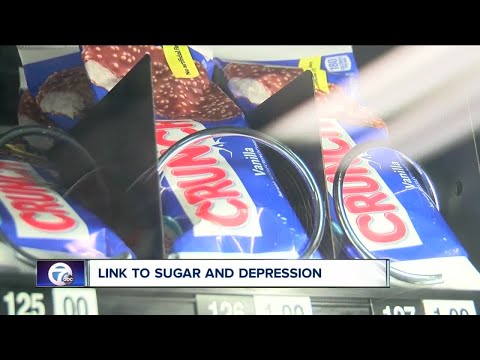
Hey! So, let’s chat about something we all kinda love but might not think about too much—sugar. You know, that sweet stuff in your coffee or that slice of cake at a birthday party? Yeah, that.
It’s everywhere, right? Sometimes it feels like we can’t escape it. But here’s the thing: sugar isn’t just about satisfying your sweet tooth. It might actually play a role in how we feel emotionally and mentally. Crazy, huh?
I mean, have you ever noticed how you feel a little on top of the world after a candy binge? But then—bam!—it hits you hard with that sugar crash later on. That up-and-down rollercoaster could be tied to more than just your snack choices.
So, let’s dig into this together and see what’s up with sugar and mental health, especially when it comes to depression. Seriously, there’s more to it than meets the eye!
5 Warning Signs You’re Overindulging in Sugar: Recognizing the Hidden Impact on Your Mental Health
Hey! Let’s talk about sugar. You know, that sweet stuff we all love? While it can bring joy in the moment, like when you sink your teeth into a piece of cake, too much of it can do a number on your mental health. Here are some warning signs that you might be overindulging in sugar and how it can affect your mood and mental well-being.
1. Frequent Mood Swings
One moment, you’re on cloud nine after a sugary snack, but soon after, you’re feeling low. It’s like riding a roller coaster. When you eat sugar, your blood sugar spikes rapidly. But then it crashes just as fast. This roller coaster effect can lead to irritability and mood swings that make everything feel heavier than normal.
2. Cravings That Just Won’t Quit
If you find yourself daydreaming about sweets more often than not, that’s a red flag! Sugar is addictive. Your brain releases dopamine when you eat it, which makes you crave even more. Over time, those cravings can overshadow other important needs in your life—like spending time with friends or eating healthier foods.
3. Lack of Energy
You may think that snacking on sugary treats will give you an energy boost—and while it might work for a minute—it often leaves you flat afterward. This fatigue can lead to feelings of sadness or disinterest in things you usually enjoy. It’s like being stuck in a fog where nothing seems appealing anymore.
4. Increased Anxiety
Believe it or not, what you’re munching on could be adding to your anxiety levels! Research has shown that high sugar intake is linked to increased symptoms of anxiety and depression over time. If you notice yourself feeling more anxious after indulging in sweets frequently, it’s worth taking a look at your diet.
5. Difficulty Concentrating
Feeling foggy-headed? A sugary diet can mess with your focus and concentration big time! The constant ups and downs from those blood sugar spikes make it tough for your brain to stay sharp and maintain attention on tasks at hand—whether it’s schoolwork or work projects.
So there ya go! Recognizing these signs is the first step towards understanding how sugar impacts your mental health—sometimes more than we realize! Paying attention to how certain foods make us feel emotionally can seriously help us steer our choices towards a more balanced lifestyle…and who knows? You might even start feeling better all around if you cut back just a little bit!
Exploring the Link Between Sugar Reduction and Depression: Can Cutting Out Sugar Improve Your Mood?
So, let’s talk about sugar and its connection to our moods, more specifically, depression. It’s kind of a big deal. You know how sometimes after a sweet treat you feel a little rush of happiness? That’s sugar doing its thing. But here’s the kicker: that sweetness can sometimes lead to a bit of a crash later on, and that crash isn’t great for your mood.
When you eat sugar, your body gets a quick boost of energy. It’s like your brain just got handed a little gift. But then—boom!—you might end up feeling jittery or even down when that sugar high wears off. It’s almost like playing with fire; it feels good at first but can leave you feeling worse afterward.
Now, some research has started to show that there could be an interesting link between sugar consumption and mental health issues like depression. For instance, diets high in added sugars have been linked to increased rates of mood disorders. It’s thought that sugar can mess with your brain’s ability to regulate mood due to inflammation and insulin resistance.
Here are some key points worth thinking about:
Imagine someone who used to live on soda and candy bars every day. Sure, at first, they felt energetic—like they could take on the world! But after weeks or months? They might find themselves feeling sluggish or even depressed without those sugary pick-me-ups. It’s like being trapped in a cycle where you’re chasing highs but only landing in lows.
So what if you decide to cut down on sugar? Well, reducing sugar intake could potentially help improve your mood over time. Many people report feeling clearer-headed and more stable emotionally when they swap out sugary snacks for healthier alternatives loaded with fiber and healthy fats.
Also worth noting is how whole foods, like fruits and vegetables, supply natural sugars along with essential nutrients that support brain health instead of just providing an instant high without much else.
Of course, everyone is different. What works for one person may not work for another. And cutting out all sugar cold turkey might not be realistic for everyone either! Small changes often lead to better long-term habits anyway.
So seriously think about this: if you’re grappling with feelings of sadness or low energy alongside a diet filled with sugary foods, it might be time for some tweaks in what you eat. A balanced diet isn’t just good for your body; it’s also good for your mind!
Exploring the Link Between Sugar Consumption and Depression: Do Depressed Individuals Crave Sweets?
Alright, let’s talk sugar and depression! You know, that sweet stuff that makes life just a bit more enjoyable? But here’s the thing—sugar isn’t just about the taste; it might have a deeper connection to our mental health than you think.
When people feel down or depressed, they often reach for sugary snacks. It’s kind of like a little pick-me-up, right? But what if I told you this craving might be linked to the very feelings of sadness? That’s because sugar can temporarily boost mood by releasing chemicals like serotonin, which is sometimes called the «feel-good» hormone. It feels great at first but can lead to a crash later.
So, do depressed individuals crave sweets? Well, studies indicate that there is indeed a correlation between high sugar consumption and symptoms of depression. When we eat sugary foods, our bodies produce a rush of energy followed by an inevitable drop. This rollercoaster effect can worsen feelings of fatigue and irritability—like running up a hill only to tumble down again.
- Your body processes sugar fast. You eat it, feel happier quickly, but then you pay for it later with exhaustion.
- Some research suggests that people who consume large amounts of processed sugars may be at a higher risk for developing depressive symptoms.
- Sugar can also influence inflammation in your body; chronic inflammation has been linked to mood disorders.
Okay, so imagine this: You’ve had a rough day. Work was stressful, and your friend bailed on plans last minute. So you grab that chocolate bar—you know it feels good at first! But then an hour later? You’re feeling even lower than before because your body is crashing from all that sugar.
Sometimes folks think it’s just about willpower: “I shouldn’t eat that cake.” But cravings tied to emotional distress make things more complicated. It’s not just about hunger; it’s about seeking comfort during tough times.
But here’s the kicker—while indulging in sweets might give temporary relief from sadness, overdoing it can contribute to long-term issues with both physical health (like obesity) and mental health (like worsening depression). It’s ironic how something sweet could lead us into deeper struggles.
To keep things balanced: Moderation is key here! Incorporating whole foods like fruits or yogurt could satisfy that sweet tooth while providing nutrients instead of empty calories. Plus, these foods won’t send your blood sugar levels on such crazy rides.
In short—sugar does have an intriguing role when we talk about mood swings and depression. It tends to pull us in one direction but leaves us hanging when the high fades away. Recognizing this link can be vital—so next time you’re reaching for those cookies out of habit or sadness, consider what you’re really looking for instead!
Alright, let’s chat about sugar and its sneaky little role in our mental health. You know, we often think of sugar as just that sweet stuff in our favorite desserts or morning coffee. But it turns out, it can have some deeper effects on how we feel emotionally too.
Picture this: you’ve had a long day, and your mind is racing. You reach for a piece of chocolate or a sugary snack because, let’s be real, that’s what most of us do for comfort sometimes. For a moment, it feels amazing! That quick rush of sweetness gives you an instant boost. But then? Crash! You might find yourself feeling low or even anxious shortly after. It’s like riding a rollercoaster where the highs are sweet and the lows are… well, kind of sad.
Research has shown that there could be a link between high-sugar diets and increased risks of depression. I remember talking to my friend Sarah once—she was struggling with her mood swings and feeling pretty down more often than not. We started noticing how much sugar she was consuming without even thinking about it: candies at work, sugary drinks during lunch, you get the drift. When she began cutting back on the sweets gradually? She mentioned her mood improved!
So here’s the thing: sugar can mess with your body in ways you don’t even realize at first. It can lead to inflammation in the brain and mess up those happy chemicals like serotonin. And when your body’s chemistry is off, it can definitely take a toll on your mental state.
But let’s not put all the blame just on sugar; it’s also about balance. Treating yourself every now and then is totally okay—it makes life sweeter (pun intended). Just being aware of how much you’re eating might help keep those emotional rollercoasters from becoming too wild.
In the end, it comes down to listening to yourself and figuring out what works for you. Sometimes it’s nice to have that treat because life is tough enough as it is! Just keep an eye on how those treats make you feel afterward—you might find there’s more than just calories at play in your mood game!