Alright, so here’s the deal. Talking about suicide is, like, super heavy, right? But it’s also really important. We can’t just brush it off as something we don’t want to think about.
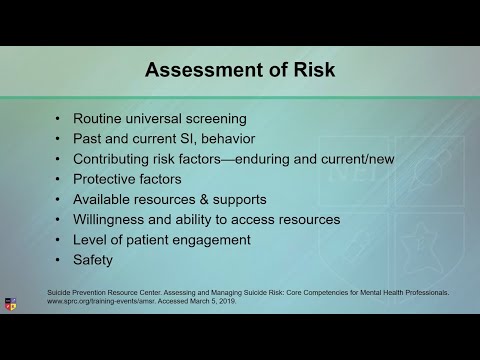
You know that feeling when you’re talking to someone and you just sense they’re struggling? It’s hard to find the right words, but you want to help. That’s why screening for suicide risk is a big part of mental health assessments.
People go through stuff that can completely change their perspective on life. Sometimes they feel trapped or hopeless. You get where I’m coming from?
So, let’s break it down together. How do we figure out if someone needs a little extra support? What are the signs we should be looking for? This isn’t an easy topic, but understanding it can seriously make a difference for someone in need.
Understanding the PHQ-9: Does It Effectively Screen for Suicide Risk?
The PHQ-9 is a tool often used to screen for depression, but you might be wondering how it fits into the bigger picture of suicide risk. The Patient Health Questionnaire-9 (PHQ-9) is basically a self-administered questionnaire. It helps determine the severity of depression based on the past two weeks of your mood and feelings.
Now, while the PHQ-9 is great for spotting depressive symptoms, it’s not really designed solely for suicide risk assessment. But it does give some clues. Here’s the deal: if someone has high scores on certain items, particularly those about feeling hopeless or thinking about being better off dead, that can be a red flag.
- Direct Questions: The PHQ-9 includes questions about suicidal thoughts. If you rated “little interest or pleasure in doing things” as being true nearly every day, that could indicate you’re struggling more than usual.
- Comprehensive Understanding: A high score can suggest major depressive disorder (MDD), which has strong links to increased suicide risk.
- Follow-up Needed: It’s crucial to note that while a higher score indicates potential risk, it doesn’t automatically mean someone will attempt suicide.
It reminds me of talking with a friend who was going through a tough time. She took the PHQ-9, scored quite high, and admitted she sometimes felt like life wasn’t worth living anymore. That opened the door to deeper conversations and more help.
But here’s where things get tricky: while the PHQ-9 screens for depression effectively, it doesn’t replace comprehensive assessments needed for suicide risk determination. You need professional evaluation too—like asking specific questions about plans or means.
Also, context matters! Someone might fill out the PHQ-9 on a rough day and get an elevated score without any actual intention of harming themselves. Emotions are wild like that! A mental health professional should interpret these scores along with other factors—like personal history or immediate life circumstances.
So yeah, while the PHQ-9 can be a useful tool in identifying potential problems related to mental health and possible suicidality, I wouldn’t say it’s enough on its own. It definitely needs to be part of a broader conversation and exploration into someone’s mental state.
In short, think of it as one piece of a puzzle in understanding someone’s emotional health—not the whole picture by itself!
Understanding the 5 P’s of Mental Health Risk Assessment: A Comprehensive Guide
Mental health risk assessments are crucial, especially when it comes to something as serious as screening for suicide risk. It’s a sensitive topic, but understanding the basics can really make a difference. So, let’s break down the 5 P’s of Mental Health Risk Assessment. Here goes.
1. Presenting Problem: This is all about why someone is seeking help. It could be anything from feeling down for weeks to having intense thoughts of hurting themselves. You know, sometimes people don’t even realize their feelings are tied to something bigger until they get that chance to spill it all out in a safe space.
2. Precipitating Factors: These are the events or issues that trigger an increase in suicidal thoughts or behaviors. Think about it—loss of a job, relationship problems, or a traumatic event like losing someone unexpectedly can all knock you off balance. They’re like the last straw that leads to someone feeling overwhelmed.
3. Past History: Here’s where things get personal. A history of mental health issues or previous suicide attempts can be red flags. If someone has tried to hurt themselves before, it doesn’t mean they will again—but it sure does raise the need for closer evaluation and support.
4. Protective Factors: Not everything is doom and gloom! This part focuses on what keeps someone safe despite their struggles. Support from family or friends, coping skills, and personal beliefs can play a huge role in protecting individuals from acting on suicidal thoughts. For example, if someone has a strong bond with their family and feels like they can talk about their feelings openly, that’s a huge win.
5. Plan and Means: This one’s pretty straightforward but vital—does the person have a specific plan for how they might carry out suicide? Do they have access to means? Like if someone mentions they own a firearm or have pills at home, that needs immediate attention because it puts them at higher risk.
When all these pieces come together during an assessment, it paints a clearer picture of where someone stands regarding their mental health and suicide risks. It helps practitioners figure out how urgently help is needed and what kind of support would be most effective.
In short, understanding these 5 P’s helps us take necessary steps toward prevention and care for those who might quietly be struggling with their mental health. So if you ever find yourself talking with someone who seems off or even dealing with your own feelings—it’s okay to dig deeper into these areas; you might just find what helps turn things around!
Understanding the Key Differences Between ASQ and C-SSRS in Mental Health Assessments
When it comes to assessing suicide risk in mental health, professionals often rely on tools like the **ASQ** and **C-SSRS**. Understanding the differences between these two can feel a bit overwhelming, but it’s actually pretty straightforward.
ASQ, or the **Ask Suicide-Screening Questions**, is designed for quick screenings. It’s usually a series of four simple questions that help identify individuals at risk for suicide. Picture this: you’re in a clinical setting, and someone is struggling emotionally. With ASQ, a clinician might ask things like whether the person has had thoughts of hurting themselves or if they’ve made any plans to do so. The whole point is to get quick answers to determine if more intervention is needed.
On the flip side, we have the C-SSRS, which stands for the **Columbia-Suicide Severity Rating Scale**. This one’s a bit more detailed—it digs deeper into not just if someone is thinking about suicide, but how serious those thoughts are and how often they occur. The C-SSRS includes various questions that explore things like intent and duration of suicidal thoughts. So, it’s more comprehensive than ASQ.
Now let’s break it down into some crucial points:
- Length: ASQ is shorter with just four questions, while C-SSRS has multiple questions covering different aspects of suicidal thoughts.
- Depth: ASQ gives a quick snapshot of risk; C-SSRS dives deep into severity and frequency.
- Use Cases: ASQ works well in emergency settings or when time’s tight; C-SSRS fits better in comprehensive evaluations.
- Response Options: In ASQ, it’s typically yes/no answers; C-SSRS offers a range of options to capture nuances.
Think about an emergency room. They might use ASQ because they need fast answers to decide if someone needs immediate care. In contrast, if you’re in therapy or undergoing a thorough evaluation process, using C-SSRS makes sense since it provides insights into your mental state over time.
So there you have it! Both tools play important roles but are used differently based on what situation you’re in. It’s all about getting you or someone else the right help at the right moment!
So, let’s talk about something heavy but really important: screening for suicide risk during mental health assessments. It’s one of those topics that can feel uncomfortable, but honestly, it’s crucial.
Picture this: You’re sitting in a therapist’s office, the walls are painted calming colors, and there’s some soothing music playing. But despite the cozy atmosphere, you can feel the weight of the conversation ahead. That’s because the first time I was asked questions about my mental well-being—specifically related to thoughts of self-harm or suicide—I felt exposed and vulnerable. Like, who wants to admit they’re struggling that much? You know?
But here’s the thing. Those questions can literally save lives. Screening tools are designed to dig a little deeper into how someone is feeling. It helps therapists understand if someone is at risk and what kind of support they really need. Think of it as a safety net; it catches people before they plummet too far down.
The process isn’t just yes or no answers; it usually involves a conversation that opens up space for honesty. And for many people, especially those who’ve been keeping everything bottled up, that feels like a massive relief—the chance to say out loud what sometimes feels too heavy to carry alone.
Still, there are challenges. Not everyone feels comfortable with these screenings—some might even shut down or feel judged by the very act of being asked about their thoughts on suicide. And that’s totally valid! Mental health assessments should feel safe and supportive, not invasive or scary.
It also raises questions about follow-up care and how mental health professionals respond once someone discloses suicidal thoughts or feelings. If the person asking isn’t equipped to handle those revelations properly—well, that’s where things can get tricky.
So yeah, while screening for suicide risk isn’t easy for anyone involved, it plays a vital role in helping people get the support they need before it’s too late. It reminds us all how important it is to have these conversations openly and without fear because you never know who might be struggling quietly behind closed doors.