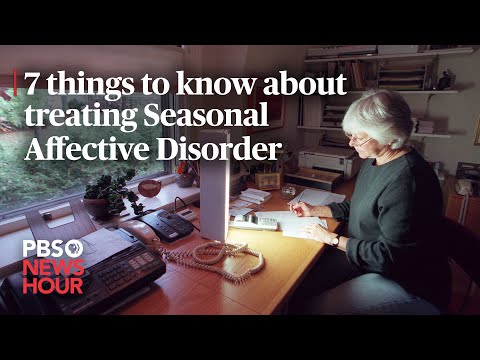
So, let’s talk about something that hits a bit different. You know how sometimes, when the days get shorter and the skies turn gray, you just feel… off? Yeah, it’s a real thing called “seasonal affective disorder,” or SAD for short.
When winter rolls around, some folks find it tougher to shake off that heavy feeling. It’s like you wake up and the sun’s playing hide and seek. And it can mess with your mood big time!
But it’s not just a little funk; it can really take a toll on your mental health. I mean, one minute you’re all cozy under blankets binge-watching shows, and the next minute you’re feeling sad for no apparent reason.
Let’s unpack this together. What sunlight depression really is, how it sneaks into our lives, and what we can do about it. Sound good?
The Surprising Link Between Sunlight and Sadness: Understanding Seasonal Affective Disorder
So, let’s talk about Seasonal Affective Disorder (SAD). It’s something that sneaks up on a lot of folks when the days get shorter and the sun decides to play hide-and-seek. You ever notice how you feel just a bit more down when it’s dark and gloomy outside? Like, maybe you want to crawl into your blanket burrito and binge-watch shows instead of being your usual vibrant self? Well, that might be due to SAD!
It’s kind of wild how much sunlight affects our mood. When the sun shines, our bodies produce more serotonin—the happy chemical. Without enough light, though, this can dip, leading to feelings of sadness or lethargy. Basically, less sunlight equals less serotonin; simple math there.
Some key symptoms of SAD include:
- Feeling sad or hopeless.
- Losing interest in activities you usually enjoy.
- Trouble sleeping or sleeping too much.
- Gaining weight or craving carbs like they’re going out of style.
You know, it can also affect your energy levels big time! Just think about it: waking up in the morning feels like a struggle sometimes if it’s dark and dreary outside. It’s like your brain is saying “Ugh, not today.”
I remember one winter where I felt so sluggish and just couldn’t shake the blues. I was stuck inside most days due to the rain and clouds. Like many people experience during these seasons, my motivation was at an all-time low. Until one day—out of nowhere—I decided to take a walk during a rare sunny afternoon. And wow! It was like I had new batteries installed! Sunlight somehow made everything feel brighter—literally and figuratively.
A few things that help manage SAD include:
- Light therapy: Sitting in front of a special lamp that mimics sunlight can really boost your mood.
- Staying active: Exercise can make those endorphins flow—it’s nature’s way of cheering you up!
- Getting outdoors: Even on cloudy days, stepping outside helps; you’ll get some natural light filtering through.
But here’s the thing—if you’re feeling pretty crummy for longer than a couple weeks during these darker months, it might be wise to chat with someone about it. Seriously! There are therapists out there who specialize in things like SAD.
To wrap this up (so to speak!), understanding how sunlight plays into our moods is super important for navigating those gloomy months ahead. You’re not alone if you find yourself feeling “off.” Remember that even small bits of light can gradually lead back to those sunny days in your mind too!
Understanding Seasonal Affective Disorder: Why Depression Can Intensify in Summer
Seasonal Affective Disorder (SAD) is often thought of as a winter thing. You know, the gray skies and chilly weather can really put you in a funk. But what if I told you that some folks actually feel more depressed when summer rolls around? Yep, it’s a thing! Let’s break it down.
First off, what is SAD? Well, SAD is like this seasonal pattern of depression that kicks in at specific times of the year. Most people get it in the winter when there’s less sunlight. But for some, summer can bring on feelings of anxiety and sadness too. It’s puzzling, right?
So, let’s talk about why this happens. Here are some reasons:
- Heat and discomfort: When it gets super hot outside, staying cool becomes a battle. For people prone to anxiety or mood swings, high temps can be a total trigger.
- Social expectations: Summer’s all about festivals, parties, and hanging out at the beach. If you’re feeling down while everyone else seems to be having a blast, it can feel isolating.
- Change in sleep patterns: Longer days mean more sunlight but can also mess with your sleep schedule. If you’re not catching enough Z’s, your mood can take a hit.
- Pollen allergies: Allergies are no joke during summer! They can lead to fatigue and irritability, making you feel worse emotionally.
Here’s an emotional moment for ya: think about Sarah. She used to love summer but noticed she felt increasingly anxious when everyone started planning vacations. It wasn’t that she didn’t want to go; it was just hard for her to get excited when she felt trapped under her own worries.
Now let’s get into some symptoms. People dealing with summer SAD might experience:
- Anxiety: The pressure of outdoor activities can make you feel overwhelmed.
- Lack of interest: What used to bring joy suddenly feels like a chore—like going out for ice cream with friends.
- Irritability: Small things might annoy you more than usual—like someone blasting music at the beach.
- Tiredness: Despite the sun shining bright outside, you could still feel completely exhausted.
Remember that managing these feelings is important! Talking to someone about how you’re feeling can help—whether it’s friends or a therapist who gets what you’re going through.
In short? Just because the sun is shining doesn’t mean everyone’s feeling good vibes; seasonal affective disorder doesn’t follow strict seasons. So if you’re struggling during those bright and sunny months, know that you’re not alone—and there are ways to cope!
Exploring the Impact of Sunlight on Mental Health: Benefits and Insights
Sunlight plays a big role in our mental health, more than you might think. Seriously, it’s not just about getting a nice tan or feeling warm on your skin. The science behind this is all about how sunlight affects our brains and bodies.
When the sun shines down on us, our skin produces something called vitamin D. This vitamin is super important for so many bodily functions. But what’s really cool is its connection to mood and emotional well-being. Low levels of vitamin D have been linked to increased feelings of sadness or depression. You can almost imagine it—like when winter comes and days get all gray; some folks really feel that shift in their mood.
Another fascinating thing comes from sunlight exposure—it actually helps regulate our body’s internal clock, or what scientists call the circadian rhythm. This is like your body’s natural clock that tells you when it’s time to sleep and when to wake up. When you don’t get enough sunlight, this rhythm can get all messed up, which can lead to sleep problems, and as you might guess, that can make anxiety or depression worse.
So picture this: you’re cooped up inside for too long during winter. You might start feeling lazy or even a bit down. That’s because your brain isn’t getting the signals it needs from sunlight to keep everything balanced!
Have you heard of Seasonal Affective Disorder (SAD)? It’s basically a fancy term for winter blues, where people struggle with depression during certain seasons when there’s less natural light. Those folks often find relief when they get more exposure to sunlight again as spring rolls around.
Another benefit of soaking in some rays? It boosts serotonin levels! Serotonin is like your brain’s happy juice—it helps regulate mood and overall feelings of well-being. More sunshine means higher serotonin levels which could help fight off those pesky feelings of anxiety and low mood.
And then there’s the simple joy of being outside! Seriously, just stepping out into a sunny day can lift your spirits. It encourages movement too—maybe going for a walk in the park or playing sports with friends—activities that are great for both mental and physical health.
But here comes the caveat: while sunlight has plenty of benefits, don’t forget about moderation! Too much sun can lead to skin issues later on like sunburns or even cancer risk if you’re not careful with protection.
So basically, sunshine provides some powerful boosts when it comes to mental health—more energy, better moods, and even deeper sleep for some people if they mix in just a little time outdoors each day.
If nothing else sticks with you from this chat on sunlight’s impact on mental health, remember that balancing time inside and outside may be key to maintaining a healthier state of mind!
You know how some days just seem to drag on, and you can’t shake that feeling of heaviness? Well, that’s kinda what sunlight depression can feel like. It’s that mood dip you get when the days are short and the skies are gray, like winter’s blanket is smothering you. It’s not just a bad day or being in a funk; it’s a real thing, and it can really mess with your mental health.
I remember this one winter when I was feeling particularly down. Days blurred together—waking up to darkness and coming home to darkness. I would try to rally my spirits but ended up in this spiral of low energy and irritability. Exercise felt impossible, socializing seemed exhausting, and even my favorite TV shows lost their charm. If you’ve been there too, then you totally get it.
Sunlight depression isn’t just about feeling bummed out because your plans get canceled or the weather’s poopy. This thing has a scientific flair called Seasonal Affective Disorder (SAD). It often kicks in during fall or winter when sunlight is scarce, but some folks experience it even in spring or summer—crazy, right? What happens is that your body misses out on vitamin D from the sun. That impacts serotonin levels in your brain—serotonin being part of what helps regulate your mood.
If you’re struggling with this stuff, it’s okay to acknowledge it! Seriously, you’re not alone. There are ways to ease that weight—a little sunlight therapy (even if it’s through a lamp), getting outdoors whenever you can manage, or even just keeping those curtains open during the day can help brighten things up a bit.
And don’t forget about connection! Lean into friends who get it; just chatting over coffee can lift your spirits more than you’d expect. Sometimes life feels heavy enough without all the usual pressures we put on ourselves. So let’s cut ourselves some slack now and then!
In all this gloominess sometimes we forget: brighter days will always come back around. Just hang tight; spring has a funny way of sneaking up when we least expect it!