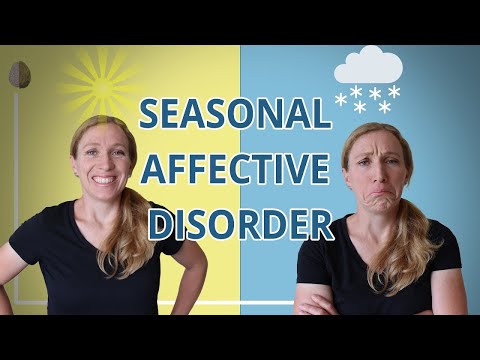
Hey! So, winter is here, right? And you know what that means—shorter days, gray skies, and maybe a little bit of that winter blues creeping in.
A lot of folks feel it. Like seriously feel it. If you’ve ever found yourself dragging through the day, wishing for more sunlight, you’re not alone.
That’s where Seasonal Affective Disorder comes into play. It’s not just a mood thing; it can really hit hard sometimes. But what if I told you there’s a way to fight back against those gloomy vibes?
Here’s the deal: sunlight can actually help lift that fog. Yeah, you heard me right! Let’s chat about how harnessing all that glorious light can be your secret weapon against feeling down this season. Sounds good? Cool!
Exploring the Impact of Sunlight on Seasonal Depression: Can Natural Light Boost Your Mood?
Alright, let’s talk about this whole sunlight and seasonal depression thing. Ever heard of Seasonal Affective Disorder (SAD)? It’s like that pesky friend that shows up every winter, bringing along a case of the blues. Basically, it affects people during the colder months when it’s darker outside and can really mess with your mood.
Now, what does sunlight have to do with it? Well, research suggests that natural light can indeed boost your mood. The thing is, our bodies need sunlight to produce serotonin, which is this cool brain chemical that helps regulate mood. When the days get shorter and gray skies take over, our serotonin levels can drop. This is where the struggle begins.
Let’s break down some key points:
- Light Therapy: This is a popular treatment for SAD. You sit in front of a special light box that mimics natural sunlight. Studies show it can increase serotonin levels and help alleviate symptoms.
- Go Outside: Seriously! If you can catch some rays, do it. Even on cloudy days, outdoor light is brighter than indoor lighting. A short walk during lunch might just give you that little lift you need.
- Affects Your Sleep: Sunlight influences melatonin production too—another important hormone related to sleep patterns. More daylight means better sleep at night which leads to a happier you!
- Your Vitamin D Levels Matter: Sunlight helps your body make vitamin D. Low levels are connected with depression. So getting out there might actually help boost those numbers!
You know, I once spoke to someone who struggled wildly with SAD for years. They tried everything: therapy, meds—you name it—but nothing seemed to stick until they started spending time outside daily during winter months. Just taking a few minutes each day under the weak winter sun lifted their spirits more than they could have imagined.
The key takeaway? Naturally occurring light has a powerful impact on mood. If you’re feeling down as winter approaches, don’t underestimate the sun—seek it out! Whether through therapy or just daytime strolls in the fresh air, tapping into sunlight could be one of the easiest ways to combat those seasonal blues.
To sum up: Sun exposure isn’t just about catching some rays; it plays a huge role in how we feel mentally when things get gray outside. Keep looking for those bright moments—they’re out there waiting for you!
Effective Strategies to Combat Seasonal Affective Disorder: Brighten Your Mood This Winter
Seasonal Affective Disorder, or SAD, is a real mood drainer during the colder months. You know how winter hits and the days get shorter? That lack of sunshine can seriously mess with your mental health. Well, here are some effective strategies to help you combat those winter blues.
Light Therapy
This is one of the most popular methods for tackling SAD. Light therapy involves sitting near a special light box that mimics natural sunlight. Just 20-30 minutes a day can make a big difference in your mood. It’s like giving your brain a little sunshine boost while staying indoors!
Get Outside
Whenever the sun peeks through those winter clouds, seize the moment! Even on chilly days, going outside can help lift your spirits. Take a walk during lunch or just sit by a window where you can soak in some rays. Every bit of natural light counts.
Stay Active
Exercise is like magic for your mood. Getting your body moving releases those feel-good chemicals called endorphins. So, even if you’re not feeling it, try to get at least 30 minutes of exercise each day—whether it’s yoga at home or a brisk walk around the block.
- Create a Routine: Having a consistent daily schedule can help keep you grounded and less susceptible to mood swings.
- Nourish Your Body: Eating well impacts how you feel too! Incorporate fruits, veggies, and whole grains into your diet for better energy levels.
- Connect with Others: Socializing is key! Reach out to friends or family members for chats or activities to combat isolation.
Meditation and Mindfulness
Sometimes it’s about calming that chaotic mind. Practicing mindfulness or meditation can help center yourself when things feel heavy. Just taking a few moments each day to breathe deeply and focus on the present can have profound benefits.
The thing is, tackling SAD isn’t about one single solution; it’s often about finding what works best for you personally. You don’t have to do this alone—consider talking to a therapist if things feel too overwhelming. They can provide support tailored specifically for your needs.
If you’re struggling during these colder months, remember you’re not alone in this fight against seasonal meltdowns! Try mixing and matching these strategies—it could really brighten up those gloomy days ahead.
Discover the Best Color Light for Alleviating Seasonal Affective Disorder (SAD)
Seasonal Affective Disorder, or SAD, can really take a toll during the colder months. You know that feeling when the days get shorter and the sun hides away? Well, it’s not just in your head. It’s legit! Your body craves that sunshine. So, let’s talk about how color light therapy might help.
What is Light Therapy?
Light therapy uses a special lamp that mimics natural sunlight. This can trigger chemical changes in your brain to lift your mood and ease symptoms of SAD. Basically, it’s like tricking your brain into thinking it’s sunny outside.
Choosing the Right Color
When it comes to color light therapy for SAD, white light is usually what most people think of. It’s bright and energizing! But did you know that blue light can also be effective? Research shows it may be even better for some folks because it targets specific receptors in your eyes related to mood regulation.
So here are a few key points on color options:
- White Light: Generally recommended for broad use. It simulates natural daylight.
- Blue Light: Can boost alertness, mood, and cognitive performance.
- Amber or Yellow Light: Some people find these calming; they may help with sleep too.
The Power of Timing
Now, timing’s super important in this whole deal too! You want to use these lights during the right times of day. Typically, using bright light in the morning is best—it helps reset your body clock and makes you feel more awake.
But there are exceptions—everyone’s different! For instance, I had a friend who felt more energized by blue light later in the day but struggled with insomnia when using bright lights at night. So y’know, listen to your body!
Dosing Matters
How long you sit with this magical lighting matters too! Most studies suggest about 20-30 minutes per day can do wonders but watch for how you feel over time. If something seems off or you’re feeling more anxious than usual—maybe scale back a bit.
Seasonal Affective Disorder, commonly known as SAD, can feel like an unwelcome guest that overstays its welcome. You know those gray, gloomy days when the sun seems to hide? That’s when things can get really tough for some folks. It’s not just a case of the winter blues; it’s like a heavy fog that just doesn’t lift. I remember a friend who always loved the summer—its warmth and brightness—but come November, she would struggle to find joy in anything. That feeling of being stuck in a cycle of darkness can be draining.
So, here’s the bright side—literally! Harnessing sunlight to combat SAD can be a game changer. Just think about it! Sunlight isn’t just a nice thing to have on your skin; it does wonders for your mood and energy levels too. The science behind it is pretty cool. When sunlight hits your skin, it helps your body produce vitamin D and releases serotonin, which is often called the “feel-good” hormone. Seriously, getting those rays can feel like you’re filling up your emotional gas tank.
For folks dealing with SAD, even small doses of natural light can make a big difference. Some people swear by light therapy lamps that mimic sunlight when real sunshine is scarce. You sit in front of one for about 30 minutes every day, and over time, many find their spirits start to lift right along with those warm rays—magic!
But it’s not just about artificial light; finding moments outside during daylight hours—even if it’s chilly—can help too. Like going for a walk or simply sitting on a bench with the sun streaming down for even just five minutes can turn around an afternoon.
So really, while tackling SAD isn’t an overnight fix or one-size-fits-all solution—it takes effort and awareness—the power of sunlight can play such an uplifting role in combating those darker months. And remember my friend? Well, she started making time for those sunny moments—even if they were brief—and soon found herself looking forward to winter instead of dreading it! It’s all about finding those little sparks of light wherever you can find them.