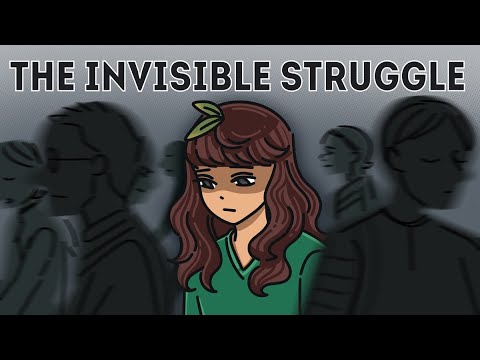
Hey, have you ever thought about ADHD and how it looks in women? It’s like this hidden thing, right? So many women go through life feeling a little… off. But they might not even realize it’s ADHD.
You know, it often gets overlooked or misdiagnosed. It’s frustrating! You might see kids bouncing off the walls, but for women, it’s more subtle. Sometimes it’s just that nagging feeling of always being behind.
I mean, think about your friends or family. Maybe someone’s struggling to focus or feels overwhelmed by a ton of tasks. They might chalk it up to being busy or stressed instead of recognizing something deeper.
So let’s unpack this together. Recognizing those symptoms can change everything. You’re not alone in this! Let’s dive into what to look for and why understanding this stuff is super important.
Understanding ADHD: A Comprehensive Psychological Perspective
Understanding ADHD is like peeling an onion, you know? It has so many layers. When we think about Attention-Deficit/Hyperactivity Disorder (ADHD), we often picture hyperactive little boys bouncing off the walls. But, let me tell you, it’s way more complex than that, especially when we’re looking at women. Symptoms can show up differently based on gender, and that makes it tricky.
One of the main things with ADHD is inattention. For women, this often means they might struggle to stay focused or organized in ways that look less disruptive than what you’d expect in boys. Imagine your friend trying to juggle a million things at once—work, family commitments, and maybe even school—but she keeps losing her keys or forgetting appointments. That’s inattention in action.
Then there’s impulsivity, which can be sneaky. It might not look like interrupting folks in conversations but rather making hasty decisions—like an impulse buy at a store or saying yes to something without thinking it through first. You ever had that moment where you just blurt out something awkward? That can be classic ADHD behavior too.
Now let’s talk about hyperactivity. In girls and women, this doesn’t always mean they’re bouncing around. Sometimes it manifests as feeling restless or having racing thoughts—a mental whirlwind that just won’t slow down! Like if you’re lying awake at 2 AM thinking about all the things you forgot to do that week!
Another crucial thing is emotional dysregulation. Those ups and downs? They can feel intense for anyone with ADHD. You might find yourself flipping from really excited to frustrated pretty quickly over small setbacks. That emotional rollercoaster isn’t just annoying; it can affect relationships and self-esteem big time.
And here’s a real kicker: women often get diagnosed later in life because their symptoms can be subtle or masked by coping strategies they’ve developed over time—like being super organized or trying extra hard not to appear distracted. So when they finally get a diagnosis, it feels like finally getting answers after years of confusion.
It’s incredibly common for women with ADHD to also experience anxiety or depression along with it—this combo can make daily life a huge challenge! Think of someone who constantly worries about missing deadlines because organizing tasks feels impossible; that’s a tough spot to be in!
So yeah, recognizing these symptoms early on is super important for getting support and developing effective coping strategies. Therapy can help by providing tools for managing symptoms and improving overall quality of life; also talking about medication options is something worth considering if it comes up during discussions with mental health professionals.
So the thing is, understanding ADHD isn’t one-size-fits-all—it requires a nuanced view of how it appears differently based on gender and personal experiences. And once we start seeing that , we open the door for better support and understanding for everyone living with it!
Identifying Symptoms of High Functioning ADHD in Females: A Comprehensive Guide
High-functioning ADHD in women can often fly under the radar. You know what I mean? It’s like you’re running on a treadmill—going fast, but not getting anywhere. So, let’s break down how to recognize the symptoms without it feeling like a chore.
First off, inattention is a biggie. Women with high-functioning ADHD might bounce from task to task without finishing any. Maybe you’ve started five different projects but can’t seem to complete even one? You might find it hard to focus in meetings or conversations. Like, your mind will just drift away sometimes, right?
Then there’s hyperfocus. It’s a twist on your attention issues. One minute you’re zoning out during a lecture; the next minute you’re so deep into a book or hobby that hours fly by and you barely notice! Crazy how that works, huh?
Another symptom is emotional dysregulation. This means feeling things really intensely and having difficulty managing those feelings. You might cry over minor issues or feel super overwhelmed after something small happens—all common signs.
Now let’s talk about organization struggles. Keeping track of schedules, appointments, and deadlines can become a real nightmare. If you’ve found yourself missing important dates or feeling constantly behind despite trying your hardest, that’s worth taking note of.
Also, consider impulsivity. This doesn’t always mean making wild decisions, though it can! Sometimes it’s buying things you don’t need or saying things before thinking them through—oops! Sound familiar?
Social interactions can get tricky too. If you’ve found yourself unintentionally interrupting others during conversations or feeling awkward in social settings because you’re struggling to keep track of what people are saying, that could point to high-functioning ADHD.
Lastly, many women experience false assumptions about their abilities. Society often expects women to juggle multiple roles perfectly—work, home life, friendships—and when they struggle with multitasking and balancing everything? It can lead to feelings of inadequacy.
So there you have it! Identifying these symptoms in yourself or someone else can be an eye-opener. Remember: recognizing these signs is just the first step toward finding strategies that work for you!
Understanding Female ADHD: How to Take the Test and What to Expect
Understanding female ADHD is, like, super important because it’s often overlooked. You know, many women get diagnosed much later in life compared to men. This can lead to years of feeling frustrated, overwhelmed, and sometimes even ashamed because they don’t fit the typical mold of what ADHD looks like. But hey, just like any other mental health issue, getting a diagnosis is the first step toward feeling better.
One of the first things you might notice are some common symptoms. Women with ADHD might struggle with:
- Inattention: This could look like zoning out during conversations or missing details in tasks.
- Disorganization: You may find it tough to keep your space tidy or have trouble planning your day.
- Emotional sensitivity: Feeling overwhelmed by emotions can happen a lot.
- Impulsivity: This isn’t just about being reckless; it can also mean jumping into decisions without thinking them through.
You see? It’s not always the hyperactive little boy running around that we think of when we hear “ADHD.” It’s often more subtle and can manifest as anxiety or depression too.
Now, about taking the test—this part can feel kinda daunting. The testing process typically involves a couple of steps: a clinical interview and some questionnaires. You’ll talk with a mental health professional who will ask about your history and experiences. They might even wanna know about your childhood behaviors because symptoms often show up early on.
During the testing, be ready to share your experiences honestly. It’s more than just ticking boxes; it’s about painting a whole picture of how ADHD affects you daily. Here are some things you should expect:
- You’ll fill out forms that assess attention span, impulsivity, and emotional responses.
- Your doctor might also consult with people close to you—like family or friends—as they can provide insights that’re really helpful.
- The results will help inform whether an official diagnosis is appropriate based on established criteria from sources like the DSM-5.
After all that, if you do get diagnosed with ADHD, it’s not the end of the world—it’s actually just the beginning! You may want to explore treatment options which could include therapy or medication tailored for women dealing with ADHD.
But don’t forget—there’s no “one-size-fits-all” approach here. Each woman’s experience is unique! For example, I once knew someone who thought she was just clumsy and disorganized her whole life only to discover she had undiagnosed ADHD. She took charge of her life after learning this and found strategies that worked best for her.
So yeah, understanding female ADHD isn’t always straightforward but recognizing those symptoms and getting tested is such a huge step towards finding your balance again! You deserve support—and knowing what you’re dealing with makes all the difference.
You know, when people think about ADHD, they often picture a hyperactive little boy bouncing off the walls. But here’s the thing: ADHD can look a whole lot different in women, and that’s something we seriously need to talk about.
I mean, think about it. Women are often socialized to be more quiet, organized, and attentive—so when you throw ADHD into the mix, it can get really confusing. Many women with ADHD might not seem hyperactive at all. Instead, they might struggle with things like disorganization or forgetfulness. It’s almost like they’re running this internal marathon while looking totally calm on the outside.
I remember a friend of mine who always seemed so put-together at work. She had a great job and was loved for her creativity. But behind that facade, she felt like she was constantly juggling flaming knives—losing track of deadlines or forgetting important meetings. She told me once that it felt like her brain was this messy room where she could never find anything she needed.
Here’s what happens: because these symptoms can be less visible and often overlap with anxiety or depression, many women go undiagnosed for years. They might just brush it off as “being forgetful” or “not trying hard enough.” And oh man, when that self-doubt kicks in—that’s when things can get tough!
From a psychological perspective, the impact is huge. Compounding feelings of inadequacy and overwhelm can lead to lower self-esteem or even depression over time. Plus, there’s that constant pressure to conform to societal expectations which just makes everything feel heavier.
So yeah, if you’re listening to this and something clicks—recognizing those nagging feelings of disorganization or forgetfulness—it might be worth exploring further. It’s not about labeling; it’s about understanding yourself better and finding out what works for you.
At the end of the day, it’s really all about getting the right support and strategies in place—whether that’s therapy options or just being kinder to yourself when you’re having one of those chaotic days! So if you’ve ever felt like you’re running in circles while everyone else seems all cool and collected? You’re definitely not alone!