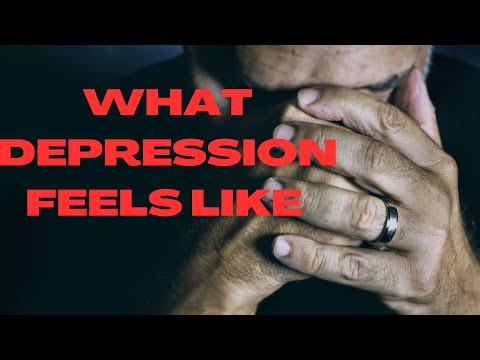
You know, sometimes life throws us these curveballs. One minute, we’re feeling okay, and then bam! Everything feels heavy, and it’s tough to shake off.
You might think it’s just a phase. But sometimes, it can be more than that—like when the blues turn into something that really affects your day-to-day life.
So how do you know when it’s time to pay attention? When is it not just a bad day but something deeper?
Let’s chat about the signs of severe depression. I mean, understanding what’s going on is half the battle, right?
Recognizing the Signs: A Comprehensive Guide to Identifying Severe Depression
Severe depression is no joke. It goes beyond just feeling sad or down for a bit. People can really struggle with this, and recognizing the signs can make a huge difference in getting help. So let’s break it down, shall we?
First off, what is severe depression? It’s like this heavy cloud that just won’t lift. You might feel incredibly low, hopeless, or even numb. And seriously, it can turn everyday activities into huge mountains to climb.
Here are some signs to look for:
- Persistent sadness: This isn’t just a bad day. We’re talking about feeling sad most of the time for weeks or months.
- Loss of interest: You used to enjoy hanging out with friends or watching your favorite shows? Well, now nothing seems fun anymore.
- Changes in sleep: Either you can’t sleep at all or you’re sleeping way too much. It’s like your body has pressed the snooze button on life.
- Fatigue: Everything feels like it’s taking way more effort than it used to. Even getting out of bed might feel like running a marathon.
- Difficulties concentrating: It’s hard to focus on anything—like your mind is stuck in a fog. You might forget things easily too.
- Irritability: You find yourself snapping at people over little things or feeling restless and antsy.
- Pessimism and hopelessness: You feel like there’s no light at the end of the tunnel. Thoughts like “things will never get better” pop up often.
You know, I once spoke with a friend who dealt with severe depression; he described it like walking through mud every single day. He would wake up feeling heavy and overwhelmed by everything around him—work, relationships—you name it! Sometimes he just wanted to hide away because facing the world felt impossible.
If you notice these symptoms in yourself or someone else and they last for more than two weeks, it’s time to reach out for help. Your feelings matter, and talking to someone about them can be life-changing—seriously!
A professional can help figure out what’s going on and find ways to cope better, whether that’s through therapy or medication options. So remember: it’s okay not to be okay sometimes; recognizing what’s going on is the first step towards healing!
Effective Strategies for Coping When Depression Feels Overwhelming
Sometimes, when you’re dealing with depression, it can feel like you’re drowning. The heaviness settles in your chest, and every little thing feels like a mountain to climb. Recognizing that you’re facing severe depression is the first step toward getting help. But once you know what you’re dealing with, how do you cope when it feels overwhelming?
Recognize Your Feelings. It’s crucial to acknowledge what you’re feeling. Depression can make you feel sad, hopeless, or even numb. You might experience a flood of emotions or no emotions at all. That’s normal; just don’t bury those feelings under the rug.
Break Tasks into Small Steps. When everything feels too much, focus on tiny victories. If getting out of bed is hard (and it often is), aim for small goals—like just sitting up or maybe stepping outside for fresh air.
- Set a timer for five minutes and commit to doing something during that time.
- Gradually increase the time as you start feeling a bit better.
Even the littlest accomplishment can boost your mood and energy.
Reach Out for Support. Seriously—don’t hesitate to lean on friends or family. Talking about what you’re experiencing can lighten the load a bit. You know how sometimes sharing your worries makes them feel less scary?
If talking face-to-face feels too intense, try texting or writing down how you feel first before having the discussion.
Create a Routine. Depression loves chaos; creating structure helps push back against that chaos. Try to stick to a daily routine that includes healthy meals, some movement (even if it’s just stretching), and sleep at regular times.
It’s about finding some small pieces of normalcy amidst the storm—even if they seem insignificant.
Pursue Activities You Enjoyed. Even when it feels like nothing sounds fun anymore, trying to re-engage with hobbies or activities you’ve enjoyed before can be helpful. If reading used to bring you joy but now seems daunting, start with just a few pages—or even just looking at pictures in a book or magazine.
Practice Self-Compassion. Be gentle with yourself during this journey. It’s okay not to be okay all the time! Instead of beating yourself up for not doing more, remind yourself that fighting through depression is challenging enough without extra pressure from within.
Moreover, think of maintaining an open dialogue with your inner self—treating yourself like you’d treat a friend going through tough times.
Consider Professional Help. Sometimes reaching out for professional help is necessary—like therapy or medication options if needed. There’s no shame in seeking support from someone trained to guide you through this maze. Therapists can offer coping strategies tailored just for ***you***.
In short, remember it’s okay to take it one step at a time when depression hits hard. Acknowledging your feelings and seeking support are key parts of taking back control over your life—and there will be brighter days ahead!
So, let’s chat about something pretty serious: recognizing the symptoms of severe depression. It can be a tough topic. Like, you know how sometimes you just feel stuck in a really dark place? It’s like there’s this heavy cloud hanging over you, and it feels impossible to shake off.
I remember a friend of mine, Lisa. She used to be this vibrant person who could light up a room. But then, one day, she just started disappearing from our hangouts. I figured she was busy or maybe just going through some stuff. But the truth was way deeper than that. She told me later that she felt empty and couldn’t find joy in anything—things that once made her happy felt like they were behind glass, unreachable.
Severe depression can look different for everyone. You might notice yourself feeling super sad—or worse, completely numb. A big part of it is losing interest in things you used to love or even basic tasks like getting out of bed or taking a shower. It’s not just about being sad all the time; it can also come with feelings of hopelessness and worthlessness. You might catch yourself thinking negative thoughts like “What’s the point?” or “I can’t do anything right.” Those thoughts? They can become really loud.
Some folks also experience physical symptoms—those are the ones that might feel confusing because you think it’s just your body acting up. You could be more tired than usual or have trouble sleeping—or sleep too much! And let’s not forget anxiety—it often tags along with depression like an unwanted guest at a party.
If you’re noticing these signs in yourself or someone else, don’t brush them off as “just a phase.” It’s important to recognize that these feelings can be pretty debilitating. Just like Lisa had to reach out for help (which she eventually did), it might take that first step for you too—or for someone close to you—to get help from a therapist or doctor.
So yeah, recognizing severe depression is so crucial—not only for yourself but also so you can help those around you who might be struggling too. Sometimes opening up about mental health can feel scary or awkward, but honestly? It could save lives and help people start their journey back into the light again.