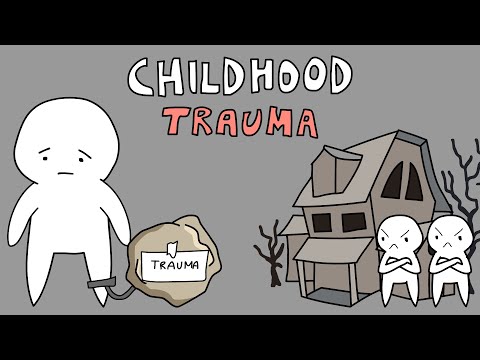
You know, childhood can be a wild ride. Seriously, it’s like a rollercoaster of emotions. But what happens when those twists and turns don’t just fade away?
Sometimes, the bumps we hit as kids stick with us—long after we’ve left the playground. It’s like carrying around a backpack full of rocks, even when you think you’ve grown up.
And these «rocks» can show up in pretty unexpected ways when you’re an adult. You might feel anxious for no reason, or find it hard to trust people. Ever feel that?
It’s not your fault. Those early experiences shape who we are and how we cope with life later on. So let’s chat about what those symptoms look like and why understanding them can be a game changer for your mental health journey.
How Childhood Trauma from Social Exclusion Shapes Adult Behavior and Relationships
Childhood trauma can take many forms, but one of the sneakiest ones is social exclusion. Think about it—being left out, bullied, or ignored as a kid can stick with you for life. When that happens, it doesn’t just fade away once you grow up. Nope, it shapes how you behave and connect with others as an adult.
Social exclusion creates a wound that often festers into adulthood. As a child, if you’re constantly sidelined during recess or left out of birthday parties, those experiences build a sense of unworthiness. You might start to feel anxious in social situations or believe that people don’t want you around. This feeling can stick to your skin like that annoying sticker residue no matter how hard you try to scrub it off.
You may carry childhood trauma symptoms into adult life without even realizing it. For instance, let’s say you find yourself always worrying about what others think. That might stem from being teased back in school. You adapt by trying hard to please everyone but end up feeling exhausted and unfulfilled because it’s never enough.
In relationships, this trauma can create serious trust issues. You could find yourself pushing people away because you’re scared they’ll leave like those kids did on the playground all those years ago. So, what’s happening? Well, what happens is your brain is on high alert for signs of rejection, making it super tough to open up.
Here are some common ways childhood trauma from social exclusion might show up in adult behavior:
- Avoidance of social situations: If past experiences made you feel uncomfortable in groups, you might shy away from gatherings.
- Difficulty forming close relationships: Trust doesn’t come easy when you’ve been hurt before.
- Anxiety and depression: The emotional toll of exclusion can bubble up as anxiety or depressive feelings.
- Low self-esteem: Often tied to not feeling accepted when you were younger.
- Sensitivity to criticism: Even small remarks can trigger feelings of inadequacy.
Let’s not forget about coping mechanisms! Some folks might binge-watch shows alone rather than face potential discomfort with friends or new people. Or maybe they become overachievers at work—because who doesn’t love a pat on the back? This keeps the cycle going as they chase validation instead of true connection.
It’s also worth noting that these behaviors don’t just hurt the person experiencing them; they impact everyone around them too! Friends and partners may feel frustrated or helpless when someone keeps building walls instead of bridges.
Understanding this connection between childhood experiences and adult behavior is crucial for healing and growth. If you’ve felt this way, recognizing the origin can be your first step toward change! With therapy and support from loved ones—you know—as well as exploring those childhood wounds safely and at your own pace—you can learn new ways to connect with yourself and others.
So basically, childhood trauma doesn’t have to define your future relationships but acknowledging its influence is key. That’s where healing starts!
Understanding the Lasting Impact: Symptoms of Childhood Trauma in Adulthood
Childhood trauma can seriously mess with your head, and it’s not something that just fades away as you get older. You might think that once you grow up, all the pain and confusion of those early years disappear, but, honestly, that’s not always the case. The thing is, the effects can stick around like a stubborn stain on your favorite shirt.
Emotional Dysregulation is one symptom that many people carry into adulthood. You ever feel like your emotions are just all over the place? Like small things set you off or leave you feeling flat? That’s what happens when childhood wounds run deep. Your brain kinda learns to react intensely to situations because it’s been programmed by past trauma.
Then there’s trust issues. When you’ve been hurt by people who were supposed to protect you—like family members or caregivers—it becomes really hard to let anyone in later on. You find yourself questioning everyone’s motives. It can feel exhausting trying to form deep connections while constantly wondering if someone will betray or abandon you again.
A common issue is anxiety and hyper-vigilance. So let’s picture this: you’re in a crowded room but can’t shake this nagging feeling that something bad is gonna happen. It feels familiar, right? That constant state of alertness comes from being exposed to trauma as a kid; your body stays ready for threats even when there’s no danger around.
You might also notice some patterns around relationships. Ever find yourself stuck in cycles of unhealthy relationships? Like, maybe you’re drawn to partners who replicate that old chaos because it feels «normal»? It’s a tough way to navigate love and connection because it usually leads to more heartache.
Now let’s talk about self-esteem issues. If childhood was full of criticism or neglect, it can seriously chip away at how you see yourself. This might manifest as feelings of worthlessness or believing you’re not good enough for success or love. It makes making big life choices super scary since you’re always doubting your capabilities.
Finally, let’s touch on addictive behaviors. Sometimes, when living with all these feelings gets too intense, some folks turn to substances or other risky activities as a way to numb the pain. It’s like trying to patch up a big hole without actually fixing what’s underneath.
To wrap this up: if any of this resonates with you, know you’re not alone! Reaching out for therapy can be a game changer. That support helps untangle these old feelings so they stop controlling your life today!
Identifying the Hidden Signs of Repressed Childhood Trauma in Adults
So, let’s chat about repressed childhood trauma. It’s one of those things that can stick with you for a lifetime, even if you don’t realize it. A lot of times, you might not even know that what you’re feeling is linked to something from your past. You follow me?
First off, **what is repressed childhood trauma**? Basically, it’s when stuff happens to you as a kid—like neglect or abuse—that gets tucked away in your mind because it’s just too painful to face at the time. Your brain does this cool thing where it protects you from memories that could be super overwhelming. The catch? These hidden feelings can pop up later when you’re an adult in strange ways.
Now, let’s look at some signs that might indicate you’re dealing with this kind of baggage:
- Emotional numbness: You sometimes feel disconnected from your emotions or have trouble enjoying things you used to love.
- Low self-esteem: You may often find yourself feeling worthless or thinking you’re just not good enough.
- Relationship issues: You might struggle with trusting people or feel anxious about getting too close.
- Panic attacks or anxiety: Sudden waves of panic can hit you without clear reason. It feels intense and overwhelming.
- Anger management problems: Sometimes, little things set you off more than they should. That might be a clue.
Let me tell ya a quick story to make it real: I once knew someone who seemed totally chill but would freak out over tiny misunderstandings in relationships. After some digging—like peeling an onion—you find out she had a rough childhood filled with constant fighting at home. Her brain was reacting to perceived threats based on that past trauma, even if the present didn’t match up.
Another thing to watch out for is **repetitive behaviors** like self-sabotage or picking fights in relationships. It’s like your inner child is trying to bring attention to the hurt they felt back then but doesn’t know how.
You also might notice physical symptoms showing up—like chronic pain or fatigue—that don’t seem tied to any medical condition. Stress from unprocessed trauma can really take a toll on your body!
Well, so now what? If any of these resonate with you, it could be worth exploring them further—maybe even talking to a therapist who gets this stuff. They’re trained to help make sense of all those jumbled feelings and help you figure out the next steps.
Basically, acknowledging these hidden signs is like shining a flashlight into those dark corners of your past. It’s not easy work; sometimes it’s emotional labor and feels heavy—but getting through can lead to healing and newfound freedom in your adult life!
You know, it’s wild how childhood experiences shape us. Like, think back to when you were a kid. Maybe you faced some tough situations—like a messy divorce in the family or even bullying at school. Those things can stick with you longer than you’d expect. Fast forward to adulthood, and it’s kind of like those early wounds come back around in unexpected ways.
So, here’s the deal: if you dealt with something heavy as a child, it might show up in your adult life through various symptoms. Maybe you’re constantly anxious, like you can’t seem to shake that nagging feeling of dread. Or perhaps trust issues pop up in your relationships. Ever notice how sometimes people have trouble being vulnerable? That could be linked to an early experience where trusting someone didn’t turn out so well.
Let me tell you a little story. I know someone who grew up in a chaotic household. Their parents fought all the time, and as a kid, they tried to keep the peace, practically becoming the family mediator. Fast-forward years later: this person struggles with boundaries and finds themselves overcommitting to everything—even when it’s way too much to handle! You see? That childhood role as peacemaker turned into an adult habit of people-pleasing that leaves them exhausted.
And then there’s the feeling of just not being good enough—a classic symptom! It’s super common for adults who felt they never measured up as kids. They carry this internal critic that makes them second-guess every move they make, whether it’s at work or in their personal life.
The thing is, recognizing these patterns is like turning on a light bulb after stumbling around in the dark for ages. Once someone starts to understand why they act a certain way or why they’re triggered by specific situations—it opens doors for healing.
But hey, it’s not about blaming anyone or dwelling on the past endlessly; rather it’s about acknowledging those experiences and figuring out how they’ve shaped who you are today. Therapy can be really helpful here; talking things out often helps untangle those messy feelings from years ago.
So yeah—childhood trauma can follow us around like an uninvited guest at times. But learning about its impact is powerful stuff that can lead us towards growth and healing if we let it!