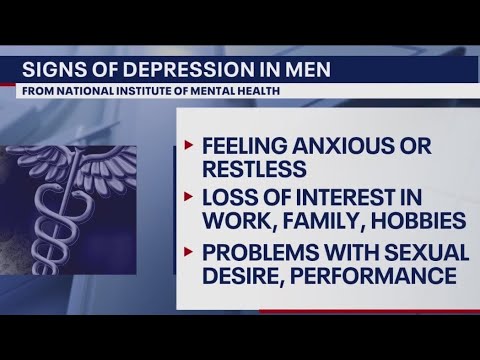
Hey! So, let’s talk about something that doesn’t get enough airtime: depression in men. Seriously, it’s way more common than you might think.
You know how we always hear about women being more open about their feelings? Well, guys can struggle just as much, if not more. They often hide it, thinking they’ve gotta tough it out.
But here’s the kicker: ignoring the signs can be pretty damaging. So, how do you even recognize when a guy is feeling really low?
Let’s dig into that together. It’s super important to understand these symptoms—not just for yourselves but for the guys in your life too. You with me? Cool, let’s go!
Recognizing the Signs: Common Symptoms of Depression in Men
Recognizing the signs of depression in men can be pretty tricky, mainly because it often doesn’t show up in the ways you might expect. You know, like when we think of someone who’s sad and crying all the time? Well, that’s not always how it rolls out for guys. Instead, they might express their feelings in different ways.
Emotional numbness is a big one. It’s like feeling nothing at all. You might notice your friend who used to get excited about stuff suddenly just doesn’t seem to care anymore. It’s tough, and honestly a little scary for both them and their loved ones.
Then there’s irritability. This could mean snapping at others over small things or getting frustrated easily. Like, remember that one buddy who would go from zero to sixty over a missed text? Sometimes that’s not just being cranky; it could be a sign something deeper is going on.
Another common symptom is changes in sleep patterns. Some men might sleep way too much, while others struggle to catch those Zs at all. So if you notice someone dozing off during the day or staring blankly at walls during sleepless nights, pay attention.
You can also look for loss of interest in activities they used to love. For instance, if your brother was all about playing basketball and now he won’t even pick up a ball anymore? That’s worth checking in on.
Sometimes there are physical symptoms too—like chronic pain or fatigue that just doesn’t seem to go away. Guys tend to brush off these things as “just how life is,” but ignored signs could lead them down a darker path.
Then we get into feelings of guilt or worthlessness. Men may have this inner voice telling them they should be more successful or better providers for their families. That pressure can weigh heavily on them without you even realizing it.
And let’s not forget social withdrawal. If someone starts avoiding friends and family gatherings and chooses to stay home instead? Yeah, that can be concerning. Isolation isn’t just lonely; it can deepen feelings of depression.
Ultimately, spotting these signs can take some awareness and courage—both for those experiencing it and their loved ones. If you think someone might be going through this tough stuff, reaching out with genuine concern can make a world of difference. Just let them know they’re not alone and it’s okay to talk about what they’re feeling; sometimes that’s really all they need to take that first step toward getting help.
In the end, recognizing symptoms early means more guys can get support instead of suffering quietly behind closed doors!
Understanding Men’s Depression: Common Symptoms and Signs to Watch For
So, let’s chat about men’s depression. We often think of it in a certain way—dark clouds, hopelessness, that kind of thing. But the reality is, guys might show their depression in ways that are pretty different from what we expect. It’s important to spot those signs so we can help ourselves or the men in our lives.
First off, common symptoms of depression in men can look a bit like this:
- Anger and Irritability: Instead of feeling sad or withdrawn, many men might get angry or short-tempered. You know when a buddy snaps at you for no reason? That could be a sign he’s struggling.
- Fatigue: Feeling constantly tired or lacking energy? That could definitely point to depression. It’s like dragging yourself through mud every day.
- Loss of Interest: Activities that once brought joy now seem like chores. If your friend who loved fishing isn’t even talking about it anymore? Yeah, check in on him.
- Sleeplessness or Over-sleeping: Some guys might toss and turn all night while others just want to sleep all day long. Either way, it’s a red flag.
- Physical Symptoms: Headaches, stomachaches—those annoying aches that seem to pop up outta nowhere can actually be linked to mental health struggles too.
Now let’s talk about some emotional stuff here. Picture your buddy Mark; he was always the life of the party but recently he seems so distant and withdrawn. It could be easy to brush it off as him just being busy or going through something, right? But sometimes these changes signal deeper issues.
Another thing to keep an eye on is substance abuse. Sometimes guys try to self-medicate with alcohol or drugs when they’re feeling down. It’s kinda their way of escaping reality for a bit—but trust me, that’s not solving anything.
Also worth mentioning is sudden changes in behavior. If someone who was usually reliable starts canceling plans left and right or seems disengaged during conversations—that’s definitely something worth noting.
You see how tricky this can get? Society often tells men they should tough it out and keep their feelings hidden. But real strength comes from facing those feelings head-on. Getting help is actually pretty brave!
In addition to recognizing these signs personally, it’s also super important for family and friends to be supportive. A simple text asking how someone’s doing can go a long way.
So remember: if you notice these signs either in yourself or someone else, reaching out for help can make all the difference—it really does! Depression isn’t an easy battle; but understanding its nuances might just help us fight it better together.
Understanding Hidden Depression in Men: Signs You Might Not Recognize
Hidden depression in men is a real struggle and it’s not always obvious. It often looks different from what you might expect. So, let’s break it down a bit. You know how people think depression is just about feeling sad? Well, it can be that, but also so much more.
Men often tend to mask their feelings with behaviors that might not scream «I’m depressed!» Instead of appearing blue and withdrawn, many might show anger or irritability, which can confuse those around them.
- Irritability: Have you ever noticed someone snapping at little things? That might be a sign they’re dealing with some heavy stuff internally. For example, if your friend gets super angry when they spill coffee, it could be more than just frustration.
- Withdrawal: Sometimes they’ll isolate themselves. Picture this: a guy who used to hang out all the time suddenly cancels plans or stops reaching out just because he doesn’t feel like dealing with anyone. That could be hidden depression.
- A change in interests: If someone you know loved playing basketball but now has no interest at all, that shift can be telling. Losing joy in activities that once excited them is a key indicator of what might be going on inside.
- Physical symptoms: Believe it or not, depression can show up in the body too! You might see complaints about headaches, stomach issues, or even trouble sleeping—something that’s often overlooked as being «just stress.»
- Addictions: Sometimes, men turn to alcohol or other substances to cope without realizing they’re self-medicating for something deeper. They might think they’re just having fun or managing stress but it could hint at unresolved feelings lurking beneath the surface.
The thing is, societal expectations often mean men feel like they have to keep it together and act tough. This pressure leads many to suffer silently rather than reach out for help. Look at this: a guy who’s always cracking jokes may seem fine on the outside while feeling completely lost inside—it’s heartbreaking.
If you notice these signs in someone you care about, don’t hesitate to reach out. Just being there and showing support can make a world of difference. Emotional conversations can feel uncomfortable but sometimes they’re exactly what someone needs to open up.
Navigating men’s mental health isn’t easy since so many layers are involved—it’s complex and sometimes messy! But shining light on hidden depression could save lives and help those silently suffering find the help they truly need.
You know, when we talk about depression, it often feels like it gets wrapped up in this big box, with everyone thinking of the same old signs—sadness, hopelessness, you get the idea. But, here’s the thing: when it comes to men, depression can play out a bit differently. It’s like those puzzle pieces that don’t always fit in a traditional way.
I remember a friend of mine who seemed like he had everything together. He was successful at work, had a loving partner and a cool group of buddies. But one night, over beers, he opened up about feeling just… empty. It shocked me because he didn’t fit the “typical” mold of someone who was depressed. He wasn’t crying all the time or isolating himself like I’d seen in movies or read about in articles.
That’s where it gets tricky—men often mask their depression with anger or irritability instead of sadness. You might notice someone becoming more aggressive or just feeling distant—not connecting as much as they used to. That can be tough to notice since anger is often seen as more socially acceptable than showing vulnerability.
And let’s not forget how some men may dive into work or hobbies to avoid dealing with their feelings. You know? Like taking on extra hours at work or getting lost in sports instead of facing what’s really going on inside. It can look like they’re thriving on the outside but are really struggling underneath.
Sleep issues are also common—either sleeping way too much or not enough at all. So there’s this weird cycle; they’re exhausted but can’t switch off their minds at night. It just becomes this ongoing spiral that feels hard to escape from.
If you’re seeing someone act differently and worrying about them but unsure if it’s something more serious, trust your gut instinct. Sometimes just reaching out and checking in can really help break through that strong wall they’ve built up around themselves.
In a world where we joke about “man cards” and whatnot, it’s time we recognized that being open about mental health isn’t weakness; it takes real strength to admit struggles and seek help. So if you see someone putting on that brave face while feeling lost inside? Just remind them they aren’t alone—and maybe even share your own experiences because connection matters so much more than we realize.