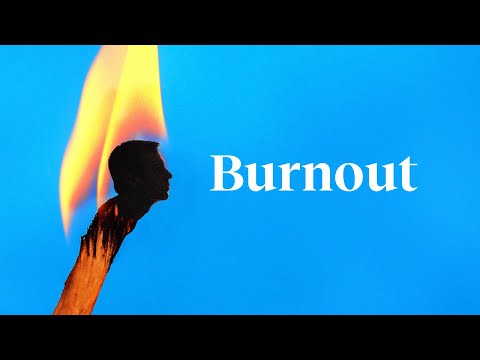
Hey there! So, let’s talk about something we all kinda deal with at some point: emotional exhaustion. You know that feeling when you’re just drained? Like, you’ve run a marathon of feelings but without even leaving your couch?
It sneaks up on you, right? One minute you’re fine, and the next you’re like, «What happened to my spark?» Seriously, it’s wild how quickly it can hit.
And here’s the kicker: it’s not just about being tired. It’s about feeling overwhelmed by everything—work stress, relationships, or even just life in general. It can mess with your mood and energy levels big time.
So, let’s break it down. I wanna help you recognize those signs before they take over your life. Sound good? Cool!
Recognizing the Signs of Emotional Exhaustion: Key Indicators to Watch For
Emotional exhaustion is one of those sneaky things that creeps up on you. It’s like that feeling when you’ve binge-watched your favorite series for a week straight, and suddenly, you can’t remember what day it is—or even why you’re so tired. The thing is, emotional exhaustion goes way deeper than just being sleepy. It messes with your head and heart, making everything harder.
So, how do you recognize the signs? Let’s break it down a bit.
Constant Fatigue: This isn’t just feeling tired after a long day at work or running errands. We’re talking about an overwhelming sense of fatigue that doesn’t go away even after a good night’s sleep. You know that feeling when you get up in the morning but still feel like you could sleep for days? Yeah, that’s it.
Feeling Overwhelmed: You may notice situations that used to be manageable now feel like climbing Mount Everest. Even small tasks can seem monumental. It gets frustrating because it seems like everyone else has their stuff together while you’re barely keeping it afloat.
Increased Irritability: If you’re snapping at people for no reason or losing your cool over tiny annoyances, that’s a big red flag. Emotional exhaustion can drain your patience and make you more sensitive to stressors, both big and small.
Lack of Motivation: Once upon a time, you were excited about projects or hobbies, right? Now? Not so much. If things that used to light a fire in you feel more like chores than joys, there’s likely something deeper going on.
Social Withdrawal: Instead of hitting up friends or family for some company, you’d rather binge-watch another show alone—or even scroll through your phone for hours on end without engaging with anyone. Isolation isn’t always fun; sometimes it’s a sign of wearing out emotionally.
Physical Symptoms: Emotional exhaustion often shows up as headaches, stomach problems, or muscle tension. Your body can only take so much stress before waving the white flag!
You might also experience changes in sleeping patterns—either insomnia or wanting to sleep all the time—which just compounds the problem further.
Getting through life while feeling emotionally exhausted is tough. Knowing these signs can help you spot this feeling early on so you can address it before it takes over completely. Awareness is key! And if these signs are ringing true for you? It might be worth reaching out to someone—a friend or even a mental health professional—to chat about what you’re experiencing.
Don’t forget: acknowledging how you’re feeling isn’t weakness; it’s actually pretty strong to realize when it’s time to seek help.
Understanding the Root Causes of Mental Exhaustion: Key Factors and Solutions
Mental exhaustion is one of those things that can sneak up on you, you know? It’s like you wake up in the morning and feel like you’ve already run a marathon. But what’s really going on under the surface? Let’s break it down and see what we can figure out.
Emotional Overload is a huge player in mental exhaustion. When you’re juggling a million things—work stress, family issues, or just life—it can make you feel wiped out. You might notice you’re constantly on edge or feeling overwhelmed by little things. It’s like trying to pour from an empty cup; it just doesn’t work.
Then there’s chronic stress. This stuff builds up over time. Maybe it’s work demands, financial struggles, or relationship conflicts that keep piling on until you just can’t take anymore. It chips away at your energy reserves until you find yourself dragging through the day. Not fun at all.
Another factor is lack of self-care. Ever notice how when you’re super busy, taking care of yourself isn’t a priority? Missing meals, skipping sleep, and zero downtime adds fuel to the fire of exhaustion. Your body needs that care—exercise, good food, sleep—to function properly. If you’re neglecting those basics? Yeah, bad idea.
Social isolation can also play a part. When you’re feeling low or overwhelmed, it’s easy to withdraw from friends and family. But that isolation can deepen feelings of exhaustion since social connections are key for emotional support! Reaching out—even if it feels tough—can lighten your load.
Your mental health history matters too. If you’ve dealt with anxiety or depression in the past—or even if there’s been trauma—it can resurface as emotional fatigue during tough periods of life. Those past experiences shape how we handle current stressors.
In terms of solutions, there’s definitely hope! Here are some thoughts:
- Pace yourself. Break tasks into smaller pieces so they don’t feel overwhelming.
- Practice self-care. Simple things—like taking walks or reading—can recharge your batteries.
- Connect with others. Reach out for support; share what you’re feeling with friends or family instead of keeping it bottled up.
- Seek professional help. Sometimes chatting with a therapist can help uncover deeper issues and provide strategies to tackle them.
- Meditation or mindfulness. These practices work wonders in reducing stress levels.
Look, recognizing the signs early is key too! If you’re always tired emotionally and mentally—it could be time to examine what’s causing that burnout and take steps toward change before it spirals further down.
So yeah, understanding mental exhaustion isn’t about blaming yourself; it’s about embracing self-awareness and proactive habits that nurture your well-being!
Recognizing the Signs: Key Symptoms of Mental and Emotional Health Struggles
So, let’s chat about recognizing those sneaky signs of mental and emotional health struggles. It’s super important to catch these early, you know? Sometimes, life throws a lot our way, and before we know it, we’re feeling emotionally drained.
First off, **emotional exhaustion** isn’t just being tired after a long day. It’s like you’ve run a marathon while juggling flaming torches—exhausting both mentally and emotionally. You might feel overwhelmed by everything around you. Like, even the tiniest tasks can start to feel impossible. That takes a toll.
One clear sign is feeling constantly drained. Imagine waking up and just wanting to pull the covers back over your head because the thought of facing the day feels like climbing Everest without gear. You might find yourself lacking energy for activities that once brought you joy.
Another biggie? **Changes in sleep patterns**. Maybe you’re tossing and turning at night or sleeping way too much during the day. Sleep can be fickle when you’re emotionally exhausted! Your mind is racing with thoughts, or maybe it’s just shut down completely, leaving you feeling groggy.
Also pay attention to how you’re handling stress. Increased irritability often shows up too. If you’re snapping at friends or family over small things—like someone forgetting to put the cap back on the toothpaste—well, that could be a red flag! Think about whether there’s an underlying frustration bubbling beneath the surface.
Loss of interest in things that used to excite you is another crucial symptom. Remember how awesome it felt to hang out with friends or dive into hobbies? Suddenly they seem pointless? Yeah, that’s not normal! It’s like your emotional battery is dead.
Then there are those moments when your emotions feel totally outta control—like bursts of sadness hitting outta nowhere or anxiety creeping in uninvited. This rollercoaster can leave you feeling even more confused and exhausted.
And let’s not forget about isolation; withdrawing from friends or activities can be a key sign as well. You might start avoiding social gatherings (even those ones where there’s free pizza!). Feeling disconnected from others isn’t a good sign—trust me.
Finally, physical symptoms can pop up too—headaches, stomach issues, or general aches and pains that don’t seem to have an obvious cause. Your body sometimes speaks louder than words when emotional well-being is off-balance!
So yeah, recognizing these signs can make all the difference in tackling mental health challenges head-on rather than letting them fester. If any of this resonates with you or someone you care about, don’t hesitate to reach out for help; talking it out can lead to some serious relief!
Emotional exhaustion can creep up on you, right? I mean, one day you’re feeling fine, and the next, it’s like you’ve hit a wall. You might find yourself dragging through the day, feeling like you just can’t bear to deal with one more thing. It’s not just about being tired; it’s this deep weariness that seeps into your bones.
I remember a time when I was juggling work, family stuff, and a few personal projects that just wouldn’t quit. At first, I thought I could handle it all. But then little things began to pile up. Suddenly, my patience was short. Friends would invite me out and all I wanted was to curl up in bed with a good book—preferably something totally escapist. The joy I’d usually feel in hanging out faded away as if it had never existed.
You know you’re emotionally exhausted when everything feels overwhelming—like decisions that used to be easy suddenly seem monumental. Maybe you notice you’re getting irritated over the smallest things or even crying for no clear reason. And oh man, the fatigue! Not just physical but mental too; it’s like trying to run a marathon while stuck in quicksand.
Then there’s this weird mix of anxiety and apathy hanging around your head. One moment you feel anxious about everything—work deadlines or upcoming events—and the next minute you’re like, «Whatever.» Nothing seems important anymore.
If any of this sounds familiar, you’re not alone! It’s totally okay to feel this way sometimes. Recognizing these symptoms is super important because they can guide you toward taking care of yourself before things spiral further down the rabbit hole.
You might want to chat with someone—a friend or even a therapist—just to unpack some of what you’re feeling. Seriously, reaching out can be so freeing! Taking those first steps toward recognizing emotional exhaustion is key; remember that everyone gets overwhelmed now and then. It doesn’t make you weak—it shows you care about your well-being and want to recharge your batteries again.
So yeah, don’t ignore those signs if they pop up for you! Your emotions matter just as much as your physical health does; listen to them with kindness and compassion.