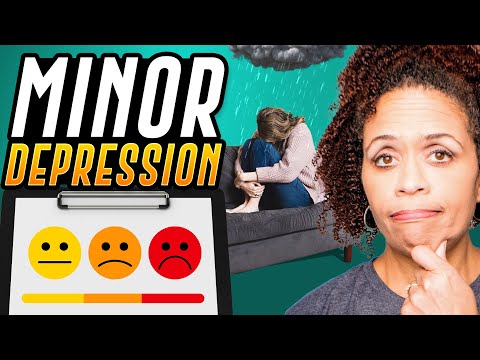
You know those days when getting out of bed feels like running a marathon? Yeah, it’s rough.
Major Depressive Disorder is more than just feeling bummed out. It’s like a heavy fog that won’t lift. And honestly, many people don’t even realize they’re in it until it starts affecting their lives.
Imagine waking up and feeling nothing—no excitement, no joy. Just… blah. That’s a sign something’s off.
So let’s chat about what to look for if you or someone you care about might be struggling—all those sneaky symptoms that can fly under the radar. Sound good?
Understanding the Impact of Major Depression on Individuals: Symptoms, Effects, and Recovery
Understanding Major Depression can be a bit overwhelming, but let’s break it down. When someone talks about major depression, they’re usually referring to a serious mood disorder that doesn’t just go away with a good night’s sleep or a pep talk. It’s more like an uninvited guest that decides to stick around for way too long.
One of the main things you might notice is symptoms. These are the signs that something isn’t right. Here are some key ones:
- Persistent sadness: This feeling hangs around like a cloud, even on sunny days. You might feel empty or hopeless.
- Loss of interest: Things that used to light up your world, like hobbies or socializing, can start feeling dull.
- Fatigue: Even small tasks can feel exhausting. Getting out of bed might feel like running a marathon!
- Changes in appetite: You might find you’re eating way more than usual or hardly eating at all.
- Difficulties concentrating: It’s tough to focus on work or make decisions when your mind feels foggy.
- Sleep disturbances: Insomnia can keep you awake at night, while others may find themselves sleeping all day.
- Feelings of worthlessness or guilt: You might think you’re not good enough or dwell excessively on past mistakes.
So what happens because of these symptoms? Well, major depression can seriously impact your daily life. It affects relationships with family and friends, and the ability to perform well at work or school may suffer too. Imagine trying to get through your day when everything feels heavy and there’s no joy in anything. That constant struggle can lead to isolation. You end up pulling away from people you care about because everything feels so hard.
The effects of major depression are not just emotional; they can spill over into physical health too. You know how sometimes stress shows up as headaches or stomachaches? Depression does something similar but on a larger scale. Chronic fatigue, changes in hormonal balance, and even weakened immune function are possible problems here.
Now let’s chat about recovery. It’s totally possible! Recovery isn’t linear—basically, it comes with ups and downs—so don’t be too hard on yourself. Therapy is often a key part of the process. Talking things out with someone who gets it really helps! Cognitive Behavioral Therapy (CBT) is popular; it focuses on changing negative thought patterns into more positive ones.
Sometimes medication is also recommended for those who need it; things like antidepressants can help balance brain chemistry again but should always be discussed with a healthcare provider first.
Another important aspect? Self-care practices! Simple stuff like regular exercise, eating well (yeah, those veggies!), and ensuring you have some time for relaxation all play significant roles in recovery.
Remember: major depression isn’t just about feeling sad; it’s about struggling with an array of symptoms that affect every part of life. If you’re feeling this way—or know someone who is—reach out for support. You’re not alone in this journey! Recovery takes time and effort but hang in there; brighter days really can come back around!
Understanding Depression: Take Our Comprehensive Self-Assessment Test
Understanding Depression can feel like trying to solve a complex puzzle. You know, it’s not just about feeling down for a day or two. Major Depressive Disorder (MDD) is a serious mental health condition that can mess with how you think, feel, and handle daily activities.
When you think of MDD, picture the gray cloud that sometimes hangs over your head, making even the simplest tasks seem exhausting. You might be wondering if what you’re feeling fits into this picture. So here’s the thing: taking a self-assessment test could help you figure that out.
Symptoms of Major Depression usually include a mix of emotional and physical signs. Here are some common ones:
- Persistent Sadness: Feeling low most of the day, nearly every day.
- Lack of Interest: Losing interest in activities you once loved—like that book series you couldn’t put down.
- Fatigue: Constant tiredness, even after a good night’s sleep.
- Changes in Appetite: Eating too much or too little; it’s like your stomach has its own mood swings.
- Sleep Problems: Difficulty falling asleep or staying awake—like tossing and turning all night.
- Difficulty Concentrating: Finding it hard to focus on anything? That’s definitely part of it.
- Feelings of Worthlessness: Constantly feeling like you’re not good enough can really weigh on you.
Sometimes people might not recognize these symptoms in themselves. You might think, “I’m just going through a rough patch,” but when these feelings stick around for weeks or months, it might be time to take a closer look.
You know what? Everyone experiences depression differently. For instance, my friend Sarah used to be super social. She would light up any room but then started pulling away from her friends and even stopped going to her favorite coffee shop! It took her some time to realize she was dealing with something deeper than just being tired.
Taking a self-assessment test can help shed light on what you’re experiencing. These tests usually ask questions about your mood, daily activities, and how you’ve been feeling overall—like if you’ve been crying more often than usual or if smiling has become hard work.
Now, while these tests can provide valuable insights, they’re not meant to replace professional diagnosis. It’s essential to talk with someone who gets it—a therapist or doctor—if you’re seriously concerned about your mental health.
Also important is understanding that you are not alone. Millions deal with depression every year in various forms and intensities. It can feel isolating but knowing there are resources out there makes a huge difference.
Every step towards understanding yourself is worth taking—even if it’s daunting at first! Whether it’s reaching out for help or simply talking openly about what you’re feeling with someone you trust, those small steps add up over time.
So next time that gray cloud starts creeping back in? Remember it’s okay to seek help and take those assessments seriously—it might just help lighten the load!
Exploring the Four Key Causes of Depression: Understanding the Roots of Mental Health Challenges
Depression can feel like this heavy fog that just rolls in and makes everything seem dull and gray. But what’s more important than feeling stuck in that fog is understanding where it might come from. So, let’s break down some of the major causes of depression.
1. Biological Factors
First off, there are those biological elements that play a huge role. This is mostly about your brain and body chemistry. You see, things like genes can influence how your brain functions and how it responds to stress. If someone in your family has struggled with depression, there could be that little genetic nudge pushing you too. Plus, imbalances in chemicals like serotonin and dopamine can seriously mess with your mood.
2. Environmental Stressors
Then we have environmental stressors—basically, life stuff that just wears you down over time. Think about things like losing a job, going through a tough breakup, or facing financial struggles. These kinds of experiences can trigger feelings of hopelessness or sadness that don’t just go away easily. I remember a friend who lost his job during an economic downturn; he started feeling so low he barely wanted to get out of bed.
3. Psychological Factors
Now, let’s talk about psychological factors. This could be related to personality traits or ways of thinking you’ve developed over time. If you tend to see the world through a negative lens or have high levels of self-criticism, you’re at greater risk for depression. Cognitive distortions—like thinking “I always fail” or “nothing will ever get better”—can create this vicious cycle where sadness feeds on itself.
4. Social Factors
Lastly, social factors really matter too! Your relationships and support systems are crucial for mental health stability. Feeling isolated or unsupported by friends and family can leave you feeling alone when times get tough. I had another friend who went through a rough patch after moving to a new city where she didn’t know anyone; the loneliness really hit her hard.
Understanding these causes isn’t just an exercise in academic curiosity; it’s about recognizing what might be contributing to feelings of depression for yourself or someone you care about. By identifying these roots—whether they’re biological, environmental, psychological, or social—you can start to look for ways to cope and heal.
In short, recognizing the signs is just as important as understanding what puts you there in the first place!
You know, major depression can sometimes hit you out of nowhere. I remember a friend of mine, let’s call her Sarah. She was always the life of the party, you know? Then one day, she just seemed… different. It wasn’t an obvious switch; more like a dimming of a light. At first, I didn’t think much of it. Maybe she was just going through a phase or something.
But the thing is, major depression isn’t just feeling sad or having a bad day. It’s deeper and way more complex. If you’ve ever felt like you’re constantly dragging yourself through molasses just to get out of bed, then you might be familiar with its weight. It’s like this heavy blanket that doesn’t lift, no matter how hard you try.
Some signs to look out for can include losing interest in things that once brought joy—like Sarah stopped wanting to hang out with us and even quit her favorite hobby, painting. Then there’s that relentless fatigue that makes everything feel like an uphill struggle. Seriously, even getting dressed could feel monumental some days.
Emotional numbness is another tricky symptom. You might find yourself not feeling much at all—like you’re going through life on autopilot without really connecting with anything around you. That’s one of those moments that really hits hard: realizing your emotions are sort of… missing.
Changes in appetite can tip you off too; maybe you’re eating way too much or hardly at all—again, Sarah started skipping meals entirely without really noticing it herself at first.
And let’s not forget sleep troubles! It could be insomnia or sleeping way too much—it varies from person to person—and it’s such an unsettling cycle because you can’t seem to find balance.
So yeah, recognizing these symptoms is super important—not just for yourself but also for friends or loved ones who might be struggling silently like Sarah did for so long before reaching out for help. It’s so easy to brush things off as “just a phase” when they could be signs of something deeper going on.
Awareness is key! Spotting these symptoms early can make such a big difference in getting the right support and treatment in place before things get worse—even if it feels daunting at first to talk about it or seek help!