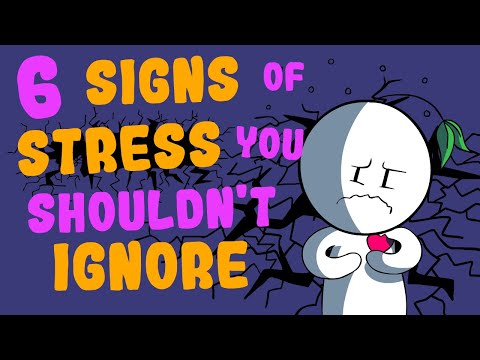
You know that feeling when your heart races for no reason? Or when your thoughts are just, like, running a marathon in your head? Yeah, that’s usually stress and anxiety waving hello.
It’s wild how these feelings can pop up out of nowhere. One minute you’re chillin’, and the next you’re in a full-on panic about forgetting to send that email. Seriously, it happens to the best of us.
But here’s the thing: recognizing the symptoms of stress and anxiety can be a game changer. Knowing what’s going on can help you grab the reins instead of letting those feelings take you for a ride.
So let’s chat about what to look for. It might just make your day-to-day life a whole lot easier!
Recognizing the Signs of Stress: How It Impacts Your Mental Health
Stress, oh man, it’s something we all deal with at some point, right? But recognizing the signs of stress can be tricky. Sometimes it creeps up on you, and before you know it, your mental health might be taking a hit. So let’s break down what stress really looks like and how it messes with your head.
First off, stress can show up in a bunch of different ways. It’s not just about feeling overwhelmed or anxious. You might notice physical symptoms too. For instance:
- You could have headaches that just won’t quit.
- Your stomach might feel like an angry rollercoaster.
- Sleep? Yeah, good luck with that! Either you’re tossing and turning or hitting snooze way too much.
When I was in college, I remember feeling so stressed about exams that I would get these crazy tension headaches that made it hard to even focus on studying. It was like my mind was screaming while my body just went into shutdown mode.
Now, on the emotional side of things…stress can lead to feelings of irritability or mood swings. You’re snapping at people for no reason or find yourself crying over a commercial. Seriously, who does that? It’s wild how stress can twist your emotions around.
Another thing you might notice is changes in your behavior. Maybe you’re retreating from friends or family because socializing feels too exhausting. Or perhaps you’re diving headfirst into unhealthy habits like binge eating junk food or drinking more than usual to unwind.
So here’s the kicker: long-term stress doesn’t just disappear by itself. If you ignore those signs, it can snowball into more serious mental health issues, like anxiety or even depression. That’s why being proactive is super important!
You know what they say: “Better safe than sorry.” Keeping an eye on how you’re feeling—mentally and physically—can make all the difference in maintaining your well-being.
And don’t forget! Taking time for yourself is crucial when dealing with stress. Things like deep breathing exercises or a quick walk outside can help clear your mind and bring you back to center.
In summary: recognizing stress is all about tuning into your emotions and physical sensations. First step? Just be aware of what’s going on inside you! This awareness can help you address stress before it takes control of your life—and trust me when I say that’s worth its weight in gold!
Recognizing the Signs of Stress and Anxiety in Yourself: A Guide to Self-Awareness
Recognizing when you’re stressed or anxious can be a bit tricky. You might think you’re just tired or grumpy, but sometimes it’s more than that, you know? There are some signs you can look for that give you a clearer picture of what’s happening in your mind and body.
First off, it’s all about paying attention to your body. Stress and anxiety often show up physically. You might notice tightness in your shoulders or a constant headache that just won’t quit. Maybe your stomach feels like it’s doing backflips, which is super uncomfortable. When I was struggling with anxiety, my jaw would actually clench without me even realizing it until my dentist pointed it out! Crazy, right?
Next, let’s talk about emotions. Stress can mess with how you feel day-to-day. You might find yourself irritable over little things or feel an overwhelming sense of sadness for no clear reason. It can feel like you’re riding an emotional rollercoaster—and not the fun kind either. It’s like one minute you’re fine, and the next minute something small triggers feelings of panic or worry.
Now onto thoughts—your brain can become a pretty unruly place when anxiety kicks in. If you’re constantly overthinking situations or worrying about things that haven’t even happened yet, that could be a sign you’re dealing with stress and anxiety too. For example, I remember being so anxious about an upcoming meeting that I spent hours imagining every possible worst-case scenario instead of preparing!
Sleep patterns also give clues about what’s going on internally. With stress and anxiety, you might have trouble falling asleep or staying asleep at all. Or maybe you wake up feeling like you didn’t sleep at all—like getting run over by a truck! And naps? Forget it! Every time I’d try to nap during the day, I’d just lay there staring at the ceiling—frustrating.
Sometimes behavioral changes shout for attention too! You could find yourself withdrawing from friends and activities that used to bring you joy—and that’s tough because isolation often makes everything worse! I once skipped hanging out with friends and ended up feeling even more isolated—which was not cool.
You know what’s interesting? The degree of these signs can vary from person to person. But if this stuff sounds familiar to you—like really familiar—it might be time to take a step back and evaluate things more closely.
To sum it up:
- Physical symptoms: tension headaches and stomach issues
- Emotional shifts: irritability and sadness
- Cognitive changes: racing thoughts and overthinking
- Sleep disturbances: insomnia or fatigue
- Behavioral shifts: withdrawing from social activities
Awareness is key here because recognizing what stress looks like for *you* is the first step toward working through it all. Take the time to check in with yourself regularly—your mental health deserves just as much attention as anything else in your life!
8 Key Behavioral Signs of Stress You Should Never Ignore
Stress is one of those things we all deal with, but sometimes it creeps up on us in sneaky ways. You might not even realize how stressed you are until your body and mind start throwing up some red flags. Spotting those signs is super important because ignoring them could lead to bigger problems down the road. So, let’s break down eight key behaviors that scream “Uh-oh, I need to pay attention!”
1. Changes in Sleep Patterns
You know those nights when you can’t fall asleep no matter how hard you try? Or maybe you find yourself waking up at 3 a.m., staring at the ceiling? Stress messes with your sleep, making it harder to catch those Z’s. On the flip side, some folks might overcompensate by sleeping way too much. Either way, if your sleep patterns shift suddenly, it’s a major sign something’s off.
2. Increased Irritability
Feeling like you’re on edge or snapping at people for no good reason? Yeah, stress can crank up your irritability levels like nobody’s business. Maybe someone asks you a simple question and you feel like it’s the last straw. It’s normal to feel annoyed now and then, but if it feels like you’re always in a bad mood, that’s worth noting.
3. Difficulty Concentrating
When stress takes over, focusing on even simple tasks can feel impossible. You might find yourself reading the same paragraph over and over again without processing anything—like your brain’s in a fog or something! If tasks that used to be easy now seem daunting or if you’re constantly forgetting things, stress could be playing tricks on your mind.
4. Changes in Appetite
Your eating habits can also take a hit when you’re stressed out. Some folks might turn to comfort food as a way to cope—hello, ice cream! Others might lose their appetite altogether and forget to eat meals regularly. If food no longer seems appealing or you’re eating way more than usual because of stress, that’s definitely something to take seriously.
5. Social Withdrawal
Ever notice yourself canceling plans more often? Stress can make ya want to hide away from friends and family like they’re the last thing you want to deal with. Isolation usually isn’t a great move for mental health; if you find yourself avoiding social situations repeatedly or feeling disconnected from loved ones, pay attention!
6. Physical Symptoms
Stress isn’t just mental—it can manifest physically too! Headaches, stomach problems, muscle tension… these are all ways our bodies react when we’re stressed out. I once knew someone who developed chronic back pain during an intensely stressful period at work; it was wild how much her body reacted!
7. Increased Substance Use
A lot of people turn to alcohol or cigarettes when they’re feeling overwhelmed as a way of coping—or maybe just trying to unwind after a long day. While having a drink every now and then isn’t necessarily bad, relying on substances regularly could lead down an unhealthy path if it’s fueled by stress.
8. Racing Thoughts or Anxiety Attacks
Do thoughts swirl around your head faster than you can keep track? Or maybe you’ve had moments where anxiety hits so suddenly that it feels like you’re about to explode? Both of these are big indicators that stress is taking over your life—something needs addressing here!
Taking notice of these signs is crucial for managing stress before it spirals out of control—we often think we should tough it out or keep pushing through thing but reaching out for help is totally okay too! Your mental health deserves attention just as much as physical health does; don’t hesitate to talk about what you’re feeling with someone who gets it!
Stress and anxiety can sneak up on you, like, outta nowhere. One minute you’re feeling okay, and the next, your heart’s racing for no good reason. It’s wild, right? Just the other day, I was talking to a friend who’d been feeling super overwhelmed at work. They didn’t even realize how stressed they were until they couldn’t sleep or focus, just spiraling into this anxious state without even knowing it.
So, what does stress and anxiety look like? Well, it can be different for everyone. Some folks might feel it physically—like headaches or stomachaches—while others might find their minds racing with worries about everything under the sun. You know how sometimes your brain gets stuck on that one annoying thought? Yeah, that’s often anxiety poking at you.
Then there’s this tightness in your chest or that gnawing feeling in your stomach. When you’re stressed out, even little things can feel like huge mountains you’ve gotta climb. Like when my buddy couldn’t bring himself to talk to his boss about a project he was struggling with because he was so wound up about it all. Just thinking made him more anxious!
Recognizing these symptoms is key because once you see what’s happening, you can start to deal with it. It’s like spotting a storm coming so you can grab an umbrella instead of getting soaked in the rain! You might notice changes in your mood or behavior as well. Are you snapping at friends or just withdrawing from them? People who usually love going out may suddenly prefer staying in—this could be a sign!
On top of that, sleep can become elusive when stress hits hard; suddenly you’re tossing and turning while your mind runs marathons over stuff that probably won’t matter tomorrow—or next week for that matter.
Look, if this sounds familiar, don’t beat yourself up! A lot of people go through this without realizing what’s happening until they take a step back. Talking to someone about how you’re feeling can work wonders; trust me on that one! Sometimes just voicing those inner thoughts helps lift some weight off your shoulders.
In the end, paying attention to those signals is important—it shows you’re tuning into yourself and your needs. So whether it’s taking time for yourself or reaching out for some support when needed, recognizing stress and anxiety is like shining a flashlight in a dark room: once the light’s on, things don’t seem quite as scary anymore.