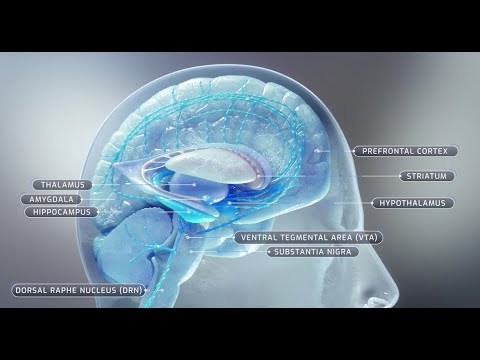
You know how when you’re trying to piece together a puzzle, sometimes you stumble upon that one weird piece that doesn’t quite fit anywhere? That’s kind of how researchers feel when they look at the Taar1 gene in schizophrenia.
Like, this gene has been popping up more and more in studies about this complex condition. It’s not the star of the show, but it’s definitely got some interesting roles going on behind the scenes.
What if I told you that delving into Taar1 could shine a light on what’s really happening in those brains where everything gets a little jumbled? Yeah, sounds intriguing, right? So let’s take a closer look at this gene and why it matters in understanding schizophrenia.
Exploring TAAR1 Agonists: A New Frontier in Schizophrenia Treatment and Research
Schizophrenia is a complex mental health condition that can really mess with how people think, feel, and behave. There are a ton of different theories out there about what causes it, but one promising area of research is focused on a gene called TAAR1. This gene plays a crucial role in the brain’s response to neurotransmitters like dopamine, which has been linked to the symptoms of schizophrenia.
So, what’s the deal with TAAR1 agonists? Well, these are substances that activate the TAAR1 receptor. When scientists looked into this, they found that stimulating TAAR1 could potentially help alleviate some of the symptoms associated with schizophrenia. Imagine having something that could help balance out those wild brain signals—pretty cool, huh?
Now, let’s get down to the nitty-gritty. Here’s what you should know about TAAR1 agonists:
- Reducing Symptoms: Research shows that activating this receptor may help reduce positive symptoms like hallucinations and delusions.
- Minimal Side Effects: Compared to traditional antipsychotics—like those you might have heard about—TAAR1 agonists tend to have fewer side effects.
- Potential for Broader Use: They not only target schizophrenia but could also be helpful for other disorders involving dopamine dysregulation.
There was this one study where researchers gave a new TAAR1 agonist to participants experiencing acute psychosis. Many reported significant improvements with minimal side effects after just a few weeks! That’s honestly exciting news for those struggling with these tough symptoms.
But hold on—this doesn’t mean we’re throwing traditional treatments out the window. The thing is, while TAAR1 agonists show promise, they’re still under investigation. We need more research before they become standard treatment options. Basically, we’re in the early stages of understanding how these compounds might change lives.
It’s also worth noting that not everyone responds in the same way to medication. What works wonders for one might not do much for another; it’s just how our bodies are wired. Personalizing treatment is super important.
In summary, exploring TAAR1 agonists opens up new possibilities for treating schizophrenia. With ongoing research and trials, who knows? This new frontier could lead us to better treatments and improved quality of life for many people dealing with this challenging condition. Just remember: we’re still figuring things out in this field!
Exploring TAAR1 Agonist Drugs: Potential Breakthroughs in Mental Health Treatment
So, let’s chat about TAAR1 agonist drugs and how they might just be game-changers for mental health treatment. This topic circles around the **TAAR1 gene**, which plays a role in several brain functions, including those connected to schizophrenia. You know how some medications don’t work for everyone? Well, that’s where this research gets interesting.
The **TAAR1 gene** is linked to how our brain processes certain chemicals, like dopamine. When TAAR1 is activated, it can help balance dopamine levels. Think of dopamine like the gas pedal in your car. Too much could send you speeding into problems, while too little can make you sluggish and unmotivated.
Here’s where the TAAR1 agonist drugs come into play. These drugs aim to mimic or boost the natural activity of the TAAR1 receptors in your brain. It’s like giving a little nudge to that gas pedal so everything runs smoother without sending you into overdrive.
Now let’s break down why this matters:
- Potential Treatment for Schizophrenia: Schizophrenia is often tied to issues with dopamine regulation. Working on TAAR1 can provide new options for folks struggling with symptoms.
- Less Side Effects: Since these drugs might work differently than traditional antipsychotics, there’s hope they could have fewer nasty side effects. Imagine feeling more like yourself without the weight of unwanted reactions.
- Broader Mental Health Applications: It’s not just about schizophrenia! There’s potential for other conditions too – think about anxiety or depression where dopamine also plays a role.
Some recent studies are pretty exciting too! Researchers have found that activating TAAR1 may enhance cognitive functions and improve mood in animal models. So if that translates well into human trials, we could see something really promising on the horizon.
But let’s keep it real: more research is needed before these drugs hit your medicine cabinet. There are always unanswered questions when it comes to winding paths of brain science and medication development.
I remember chatting with a friend whose brother struggled with schizophrenia. They tried multiple medications over the years, and finding something that worked without all those side effects was like searching for a needle in a haystack. Hearing about innovations like TAAR1 agonists gives hope not just to families but to anyone dealing with mental health challenges.
In summary, while we’re still navigating through these new findings about TAAR1 agonist drugs and their potential breakthroughs in treating mental health conditions, there’s reason to be cautiously optimistic. Science takes time but holds promise for better days ahead because everyone deserves effective treatment without feeling weighed down by side effects.
Exploring Ulotaront: A Groundbreaking Treatment for Mental Health Disorders
The topic of Ulotaront is pretty interesting, especially when you consider how it ties into mental health disorders. Ulotaront, also known by its research name, TAK-063, is showing promise in treating conditions like schizophrenia. This drug works on a specific gene called Taar1, which is really crucial in understanding the mechanisms behind certain mental health issues.
So, what’s the deal with Taar1? Well, this gene plays a role in the brain’s dopamine system, which is tied to mood and behavior regulation. Abnormalities in dopamine signaling have been linked to schizophrenia. Scientists are looking into how enhancing the function of Taar1 can help balance those dopamine levels. The idea here is pretty simple: if you can improve how this gene operates, maybe you can improve symptoms of schizophrenia.
Researchers are hopeful because Ulotaront doesn’t just target one neurotransmitter; it has a more balanced approach. Unlike some traditional antipsychotics that focus mainly on dopamine blockade, Ulotaront modulates multiple systems, potentially reducing side effects and improving overall treatment outcomes. Let’s say you’re someone who has experienced side effects like weight gain or sedation from other meds; Ulotaront might just be a game changer for you.
In clinical trials, participants taking Ulotaront showed significant improvements in their symptoms without the common baggage that comes with many traditional treatments. Imagine feeling more like yourself without those annoying side effects dragging you down—it could be quite liberating.
But here’s where it gets even more interesting: ongoing research continues to explore not just how Ulotaront works but also its effects on various brain pathways related to psychosis and mood disorders. This means scientists are diving deep into understanding not only if it works but also why it works and how we can make it work better.
Overall, while we’re still learning about long-term effects and optimal dosages for different individuals, the developments around Ulotaront are exciting and hold promise for those dealing with tough mental health challenges tied to genetics and brain chemistry. It’s like we’re slowly piecing together a puzzle that could lead to more effective treatments down the line.
So yeah, while it’s still early days for this medication’s widespread use, keeping an eye on Ulotaront and its connection to Taar1 might just lead us to better solutions in mental health care!
The Taar1 gene, huh? It’s pretty fascinating how much our DNA can tell us about mental health conditions like schizophrenia. So, here’s the deal: this gene is linked to the way our brain responds to certain neurotransmitters, particularly trace amines. These little guys are basically chemical messengers that play a role in mood and cognition.
I remember reading about someone who struggled with schizophrenia. They described their experience as feeling trapped in their own mind. It’s heartbreaking to think about how something like a gene could influence such a complex condition, you know? But that’s where researchers like to dig deeper into the mysteries of our genetic makeup.
Studies have shown that variations in the Taar1 gene might affect dopamine signaling in the brain—dopamine being one of those key players in how we feel pleasure and reward. When things go awry there, it can lead to symptoms like hallucinations or disorganized thinking, which people with schizophrenia often face.
But here’s the catch: while Taar1 is an exciting piece of the puzzle, it’s just one part of a much bigger picture. Schizophrenia is influenced by multiple genes and environmental factors, too. So yeah, it’s not just about one tiny gene causing all these issues; it’s more like an orchestra where each musician contributes to the symphony—or chaos—of mental health.
What makes this research promising is that it opens doors for new treatments down the line. If we understand how Taar1 works or doesn’t work in relation to schizophrenia, maybe we can develop better medications or therapies tailored specifically for individuals with these genetic variations.
At the end of the day, learning about genes like Taar1 helps us acknowledge that mental health isn’t just about willpower or personal strength; it often goes way deeper than we think. Just knowing there are scientists out there piecing together these complexities gives hope—not only for those affected but for all of us trying to understand what makes us tick mentally and emotionally.