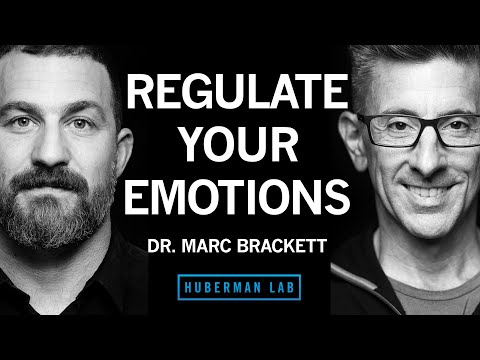
Hey there! So, let’s chat about something that’s super important but often kinda overlooked: emotional intelligence. You might be wondering, “What even is that?” Well, think of it as your ability to understand and manage your own feelings and those of others. It’s like having a secret toolkit for life!
You know how sometimes you just *get* what someone else is feeling? Or maybe you struggle to handle your own emotions? That’s emotional intelligence in action! It can make a huge difference in how we connect with people and deal with stress.
And here’s the thing: it’s not just about being nice or empathetic. It’s about making your mental health better too. Curious? Let’s dig into why tuning up your emotional smarts can seriously boost your well-being!
Unlocking Mental Health: The Essential Role of Emotional Intelligence
Okay, so let’s chat about emotional intelligence (EI). You know, it’s that thing that helps you understand your feelings and the feelings of others. It plays a big role in mental health, seriously. So if you’re wondering how evaluating your emotional intelligence can boost your well-being, stick around.
Emotional Intelligence Defined
Basically, emotional intelligence involves five main parts: self-awareness, self-regulation, motivation, empathy, and social skills. When you get a handle on these areas, it can really change how you deal with stress and connect with people.
- Self-Awareness: This is knowing what you’re feeling and why. Like when you realize you’re upset because of a tough day at work instead of just being grumpy for no reason. Recognizing this helps you manage your emotions better.
- Self-Regulation: Once you’re aware of your feelings, you can control them. Instead of blowing up at someone for saying the wrong thing, maybe you take a deep breath and respond calmly.
- Motivation: This isn’t just about wanting to achieve stuff. It’s about being driven by your values and goals instead of just external rewards. When you’re motivated by what really matters to you, it can improve focus and lower anxiety.
- Empathy: This is huge! It means being able to feel what others feel or at least understand their perspective. Imagine seeing a friend who’s down; if you can relate to their sadness or even share in their struggle, it strengthens bonds and creates support networks.
- Social Skills: These are all about interacting well with others—like communicating effectively or resolving conflicts peacefully. Better social skills lead to healthier relationships.
You know what? When I think about this stuff in real life, I remember a buddy of mine named Jack. He always knew when something was off with me before I even said anything! One time he called me out on my “pretend happy” face when I was actually stressed about my job. That kind of empathy? Golden! And he helped me talk through it instead of bottling it up.
The Link Between EI and Mental Health
This is where things get interesting: there’s solid evidence that people with higher emotional intelligence tend to have better mental health outcomes. They generally experience less anxiety and depression—you follow me?
- Your ability to recognize emotions helps reduce stress in tough situations.
- If you’ve got self-regulation down pat, you’ll bounce back quicker from setbacks without spiraling into negatives.
- You’re more likely to seek help when needed because understanding your feelings means confronting them rather than avoiding or denying them.
A small story here: think about someone dealing with anxiety—maybe they start feeling overwhelmed before social events. If they have high emotional intelligence, they could recognize these feelings early on and take proactive steps like deep breathing or talking themselves through it (so smart!). This awareness makes navigating those tricky situations way easier.
Tips for Improving Emotional Intelligence
- Meditate: Mindfulness practices help increase self-awareness over time; seriously give this a shot!
- Sit in Silence: Just taking a moment each day to check in with yourself goes a long way.
- Practice Active Listening: Get good at focusing solely on what’s being said rather than thinking ahead about how you’ll respond.
The key takeaway? Emotional intelligence isn’t just some fancy term; it has real-world implications for our mental health journeys. By improving EI skills like awareness and empathy, we not only enhance our own lives but also build better connections with others along the way!
Unlocking Emotional Intelligence: Discover the 5 C’s That Enhance Your Mental Well-Being
Emotional intelligence is, like, a big deal. Seriously, it can totally change how you handle life’s ups and downs. You know how sometimes we encounter a tough situation and just don’t know how to react? Being emotionally intelligent helps with that. So let’s break down those five C’s that are super important for your mental well-being.
1. Self-Awareness
This is all about knowing your feelings, thoughts, and reactions. It’s like having a personal spotlight on your inner world. When you’re self-aware, you can catch yourself before reacting in ways you might regret later. For instance, if you’re feeling anxious but can recognize it before snapping at someone, you’ll have the chance to pause and think instead.
2. Self-Regulation
Here’s where the magic happens: controlling your emotions rather than letting them control you. Imagine you’re in a meeting and someone criticizes your work. Instead of getting defensive or upset right away, self-regulation lets you take a breath and respond calmly. It’s about thinking before acting which saves you from those awkward or heated moments.
3. Empathy
Ever been in a situation where someone just gets what you’re feeling? That’s empathy in action! It’s the ability to understand and share someone else’s feelings. If a friend is going through a tough time, being empathetic means listening without jumping in with your own story first. It helps build trust and makes people feel valued.
4. Social Skills
Think of social skills as the toolkit for relationships. The better your social skills are, the smoother conversations go—whether with friends or coworkers! Effective communication is key here; it’s not just about talking but really listening too! For example, if there’s tension in a group setting, good social skills help ease that up by fostering connections rather than causing more drama.
5. Motivation
Having intrinsic motivation means being driven by your own goals rather than external rewards like money or praise from others. It helps sustain enthusiasm even during tough times because you’ve got that inner fire to push through obstacles! Like when you’re trying hard to achieve something important for yourself—it keeps reminding you why it matters.
So basically, developing these five C’s not only boosts your emotional intelligence but also enhances overall mental well-being! The thing is, it’s not about mastering them overnight—it’s more like progress little by little over time.
5 Effective Strategies to Enhance Your Emotional Intelligence for Better Relationships
Building emotional intelligence is like training a muscle—it gets stronger with practice and attention. So you want to enhance your relationships? That’s awesome! Let’s look at some effective strategies that can help you get there.
- Self-Awareness: This is the foundation of emotional intelligence. It means understanding your own emotions and how they affect your thoughts and behavior. Like, if you’re really angry, ask yourself why. Is it a bad day at work or something deeper? Journaling can be helpful here, or even just taking a few moments each day to check in with yourself.
- Empathy: This involves recognizing and understanding others’ feelings. When someone shares their struggles, instead of jumping straight to offering solutions, try really listening. Think about how they might feel in that moment. That not only helps build trust but also strengthens your connection with them. Kind of like when my friend was upset about her job: I just sat with her and listened instead of trying to fix it right away.
- Effective Communication: Words matter, right? So working on how you express yourself can make a huge difference. Practice using “I” statements to share your feelings without sounding accusatory—for example, saying “I feel hurt when…” rather than “You always…” gives a clearer picture of what you’re experiencing without putting others on the defensive.
- Managing Your Emotions: You’ve got to know how to deal with emotions when they crop up. Sometimes we get overwhelmed or react impulsively—ever yelled at someone during an argument? Yeah, it happens! Learning techniques like deep breathing or counting to ten before responding can help keep those more intense emotions in check.
- Building Relationships: Finally, make the effort to connect with people regularly. Check-in texts, coffee dates, or even simple gestures like asking someone how their day was show that you care. Relationships grow when we invest time in them; it’s not all about big gestures.
The thing is, enhancing your emotional intelligence isn’t an overnight process—it takes time and practice, but trust me; it’s worth it! You’ll notice improvements not just in your relationships but also in how you handle life’s ups and downs.
If you’ve ever seen a relationship blossom out of understanding and mutual respect, that’s emotional intelligence at work! So keep working on these strategies—you’ll be surprised at the positive changes they can bring!
So, let’s chat about emotional intelligence for a bit. You know, it’s that thing that makes some people really good at understanding their own feelings and the feelings of others. When was the last time you thought about your own emotional intelligence? Like, is it something you even consider?
I remember this one time when my friend Alex was having a rough day. He seemed off, but instead of asking about it, I just joked around trying to lighten the mood. Later on, he told me he kinda needed someone to just listen instead. That stuck with me. I realized then that it’s not only about being aware of our emotions but also tuning into what others might be feeling too.
Emotional intelligence isn’t just a fancy term; it actually plays a huge part in mental health. You see, if you’re able to recognize and name your emotions—like anger or sadness—it’s easier to deal with them instead of letting them stew inside you. Ever had that feeling where you just can’t put your finger on what’s eating at you? That can spiral out real quick if we don’t catch it early.
And here’s another thing: empathy! It’s like having this built-in radar for the feelings of others. Imagine walking into a room and sensing when someone’s uncomfortable or excited without them saying a word. That’s powerful! It can improve relationships so much because people feel seen and understood.
So, take a sec to think about how you react when someone shares their struggles with you. Are you listening or just waiting for your turn to speak? Yeah, we’ve all been there sometimes! Being more aware introduces this whole new layer of connection and support—not just for those around us but also for ourselves.
Working on your emotional intelligence is like training a muscle over time; the more you pay attention, the stronger it gets. And seriously, who doesn’t want better mental health? It could be small changes—like pausing before reacting or checking in with yourself throughout the day.
Remember Alex? By being more tuned in next time, I can make sure he feels heard rather than brushed aside, which helps us both grow emotionally (and helps keep him from losing his cool!). So yeah, why not take a little time each day to evaluate how you’re doing emotionally? It might be the best self-care move you’ve got!