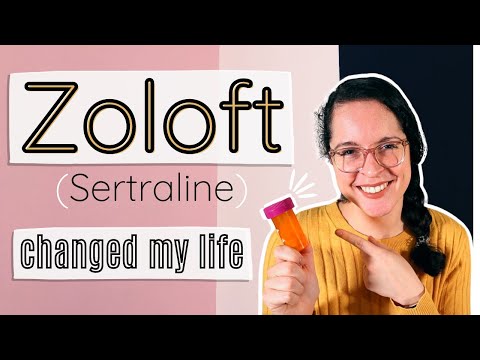
So, you’re thinking about starting sertraline? Totally understandable. It can feel like a big step, right?
I remember when my friend first mentioned it. She was nervous but hopeful. It’s kind of like stepping into the unknown—exciting and scary all at once.
But here’s the thing: knowing what to expect can really help ease those jitters. So let’s chat about it! What happens when you start taking this medication? How might it change things for you? We’ll dive into that, just you and me.
Trust me, you’re not alone in this journey!
Understanding the Link Between Zoloft and Excessive Sweating: What You Need to Know
So, you just started taking Zoloft (sertraline) and you’re noticing some not-so-cool side effects, like excessive sweating? Yeah, that can definitely throw a wrench in your day-to-day life. Let’s break this down and see what’s going on.
First off, **Zoloft is a selective serotonin reuptake inhibitor (SSRI)**. It’s commonly prescribed for conditions like depression and anxiety. It works by increasing the levels of serotonin in your brain, which is like giving a little boost to your mood. However, just like anything else that messes with your brain chemistry, there can be side effects.
Now, one of those side effects can be **hyperhidrosis**, which is the fancy term for excessive sweating. So here’s the deal: when you start messing around with serotonin levels, it can alter how your body regulates temperature and sweat production. This is especially true if you’re new to the med or if they’ve recently bumped up your dose.
You might be thinking: “Is this normal?” Well, kinda! While not everyone will experience sweating issues on Zoloft, it’s definitely something that comes up for some people. You may start off feeling fine but then notice yourself sweating more than usual during average activities—like sitting at work or chilling at home, right? That can feel really uncomfortable.
It’s worth noting too that this kind of side effect might make you feel self-conscious in social situations. I remember chatting with a friend who was super excited about starting Zoloft because he was hoping to feel better mentally but ended up dreading events where he felt he’d sweat buckets. Awkward!
As you adjust to the medication over time, some of these side effects might smooth out or even disappear altogether as your body gets used to it. However, that doesn’t mean it’ll go away for everyone or that you shouldn’t pay attention to it.
If you’re finding yourself in a sweat fest and it’s bothering you—or if it’s affecting your daily life—it could be time for a chat with your doctor. They might suggest:
- Trying different medications.
- Adjusting the dose.
- Using antiperspirants specifically designed for hyperhidrosis.
Just remember the key here is staying open with your healthcare provider about what you’re experiencing. They want to help make sure you’re feeling better both mentally and physically.
In short, while excessive sweating on Zoloft isn’t necessarily super common, it’s something you should keep an eye on if you’re starting this treatment journey. The main thing? Stay informed and don’t hesitate to reach out for support!
Understanding the Side Effects of Starting Zoloft: What to Expect on Day One
Starting Zoloft, or sertraline, can feel like a big deal, right? If you’re on the verge of taking the leap into this new chapter for your mental health, let’s chat about what you might experience on day one.
First off, it’s key to know that Zoloft is an SSRI (Selective Serotonin Reuptake Inhibitor). This means it helps balance serotonin in your brain. But here’s the thing: it doesn’t work overnight. In fact, many people notice changes after a few weeks. However, you may still feel some effects from the get-go.
On your first day of taking Zoloft, here are some things to look out for:
- Nausea or Upset Stomach: Some folks feel queasy when they first start. It might hit you like a wave—unpleasant but often short-lived.
- Headaches: Yep, this can happen too. Your body is adjusting to the new med, and headaches can be a common response.
- Drowsiness or Insomnia: Medication affects everyone differently. You might feel more tired than usual or have trouble staying asleep at night.
- Anxiety or Restlessness: Ironically, as something meant to help with anxiety, some people may feel more anxious initially. It’s like your body is getting used to the new vibe.
- Changes in Appetite: You might find yourself feeling hungrier or less hungry than normal. It all depends on how your body’s reacting.
Now, let me share something personal here. A friend of mine started taking Zoloft and felt super uneasy on that first day—like she was buzzing with nerves and couldn’t sit still. But after a few days, she realized her body was just adjusting! She learned that the initial jitters were pretty normal and soon passed.
It’s also important to keep in mind that not everyone experiences side effects in the same way—and some may not have any side effects at all! So if you’re feeling unsure about those early days or if things feel off balance after starting Zoloft, don’t hesitate to reach out to your doctor.
In short: Your journey with Zoloft begins with small adjustments—feeling out what works for you and what doesn’t is part of the process. Give yourself grace as you navigate these feelings; they won’t last forever!
Top Foods to Avoid While Taking Sertraline for Better Mental Health
When you start taking **sertraline**, it’s all about finding the right balance. This antidepressant can help boost your mood and manage anxiety, but what you eat can really make a difference in how effective it is. So, avoiding certain foods could be key to maximizing the benefits of your medication.
First up, let’s talk about alcohol. Mixing sertraline with alcohol isn’t a great idea. Alcohol could amplify side effects like dizziness or drowsiness. Plus, if you’re trying to improve your mental health, hitting the bottle can really set you back.
Then there’s caffeine. Now, having a cup of coffee in the morning isn’t a crime. But too much caffeine might increase anxiety and interfere with your sleep, which is super important when you’re on medication like sertraline. So maybe limit those energy drinks and giant lattes.
High-fat foods are another area to watch out for. Think fast food or greasy snacks. They can slow down the absorption of medications in your body, meaning you might not get the full effect of what sertraline has to offer.
On top of that, be careful with grapefruit. It can mess with how many enzymes work in breaking down certain medications in your body—including sertraline—making it either too potent or too weak. It’s best to stick with other fruits.
Don’t forget about processed sugars. They might provide short-term energy boosts but often lead to crashes that could worsen feelings of anxiety or depression over time.
And while we’re at it, skip out on stimulants like certain energy drinks or diet pills that promise quick weight loss results. They can cause jitters and increase anxiety levels—definitely not what you want when trying to stabilize your mood.
Lastly, if you’re into herbal supplements like St. John’s Wort, this might not mix well with sertraline either. It can diminish the effectiveness of the medication and lead to unwanted side effects.
You see? The thing is that seizing control over what you eat while on sertraline helps support your mental health journey. Just think about how different foods hit your system—and keep talking to your healthcare provider as you navigate this path together!
So, let’s chat about that first time you might be starting sertraline. You know, it can feel like a big step—a leap into the unknown. I remember chatting with a friend who’d just started taking it, and they were a bundle of nerves mixed with hope. They’d heard stories, both good and bad, so it was hard to know what to expect.
First off, sertraline is an SSRI—just a fancy way of saying it’s used to help boost serotonin levels in your brain. Serotonin? That’s the chemical that plays a big role in mood regulation. When you’ve got the right amount of it flowing through you, life just feels, well, brighter. But hey, like anything else involving our minds and bodies, there’s no one-size-fits-all experience.
Now, when you first start taking sertraline, don’t be surprised if your emotions do a little dance—sometimes lively and sometimes all over the place. For some people, it might take a couple of weeks before they even start feeling any difference at all. It’s kind of like waiting for coffee to brew; initially slow but hopefully worth the wait!
And then there are side effects to consider. Some folks report feeling nausea, headaches, or even some weird dreams—like living through your favorite movie but with an unexpected twist at the end! My friend felt a bit jittery at first but then said it settled down after about two weeks. It can feel frustrating when you’re hoping for immediate relief but remember: patience is key.
Something important is to keep communication open with whoever prescribed it for you—be honest about how you’re feeling (good or bad). Sometimes adjustments may be needed because everyone’s body reacts differently.
Also—and this is super crucial—you shouldn’t expect it to fix everything overnight. It might take time before you notice those positive shifts in mood or energy levels. Support from friends or therapy often plays into that process too; you’re not alone on this journey!
Above all else? Be kind to yourself during this transition! Embrace the small victories and allow yourself grace as your body adjusts. Starting sertraline might feel like sailing into uncharted waters at first…but who knows? You could end up discovering something wonderful about yourself along the way!