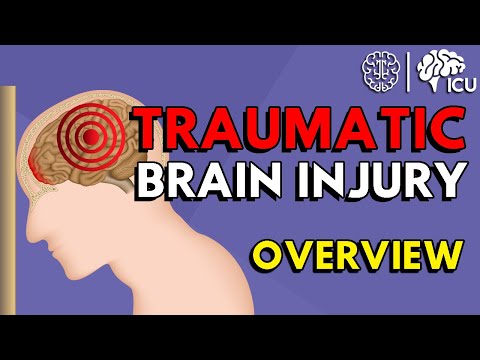
So, let’s talk about something that doesn’t get a ton of airtime: traumatic brain injuries, or TBI. It’s wild how even a seemingly small bump on the head can kick off some serious psychological reactions.
You might think it’s just a physical thing, but nah, it can mess with your head in ways that are super confusing. Like paranoia—suddenly feeling like everyone’s out to get you? Yeah, that can happen.
Seriously, if you’ve seen someone go through this, or maybe even felt it yourself, it can be so unsettling. You feel trapped in your own mind. But hey, there’s hope! There are ways to tackle these feelings and reclaim your peace.
Let’s dive into the nitty-gritty of TBI and its sidekick paranoia, plus what kinds of treatments might help you or someone you care about find brighter days ahead. Sound good?
Comprehensive Treatment Options for Traumatic Brain Injury (TBI): A Guide to Recovery
Traumatic Brain Injury, or TBI for short, can really throw a wrench in someone’s life. Imagine going from a full schedule to feeling like your brain’s stuck in slow motion. You might experience a range of emotional and psychological effects, one of them being **paranoia**. This isn’t just about feeling uneasy; it can be intense and isolating.
Now, let’s break down some treatment options for TBI and how they can help manage paranoia along with other symptoms. Recovery isn’t a one-size-fits-all deal.
1. Medical Management
First off, seeing a healthcare professional is crucial. They’ll likely assess the severity of the injury and prescribe medications to help manage symptoms like anxiety or mood swings. Sometimes, antidepressants or anti-anxiety meds come into play to help ease those emotional roller coasters.
2. Therapy
Talking it out can work wonders! Different types of therapy are available:
So picture this: someone named Jamie had a serious TBI from a bike accident. After some intense ups and downs emotionally, Jamie found therapy incredibly helpful in learning how to face those paranoid thoughts directly instead of avoiding them.
3. Rehabilitation Programs
Comprehensive rehabilitation programs are designed to treat both physical and psychological effects of TBI holistically. These might include:
Overall, these treatments aim to address all aspects of life that could’ve been impacted by the injury.
4. Lifestyle Changes
Making changes at home can also contribute heavily to recovery. Things like:
It’s kind of like giving your brain everything it needs to heal itself while actively working through issues that come up.
In summary, dealing with TBI and its fallout—including paranoia—is tough but manageable with the right combination of medical care, therapy, rehabilitation programs, and lifestyle adjustments. Remember that recovery is often non-linear; setbacks may happen along the way. But having a solid support system really makes all the difference! You’ve got this!
Effective Strategies for Managing Impulsivity After a Traumatic Brain Injury (TBI)
Managing impulsivity after a traumatic brain injury (TBI) can feel like you’re trying to tame a wild horse. It’s challenging, but totally possible with the right strategies. Let’s break down some effective ways to get a handle on it.
First off, understanding what impulsivity is helps. Basically, it’s the tendency to act without thinking about the consequences. After a TBI, this can pop up more often due to changes in brain function. So, what can you do about it? Here are some solid strategies:
- Mindfulness Practices: These techniques help bring your attention to the present moment. Meditation, deep breathing, or even just taking a few seconds to pause before reacting can make a big difference.
- Setting Clear Goals: Creating short-term and long-term goals gives you something specific to focus on. It could be as simple as “I will wait five seconds before responding in conversations.”
- Developing Routines: Structure can really help manage impulsivity. Having a daily routine gives your brain fewer choices to make all at once, which lessens the chances of snapping into impulsive actions.
- Physical Activity: Exercise isn’t just good for your body; it helps clear your mind too! Regular physical activity can reduce impulsivity by improving mood and cognitive function.
- Cognitive Behavioral Therapy (CBT): Talking things out with a therapist who specializes in CBT can provide tools tailored specifically for you. It focuses on changing negative thought patterns that lead to impulsive behaviors.
Here’s an example: Imagine someone who loves to play video games but often loses control and plays for hours instead of doing other important tasks. With mindfulness techniques, they could practice pausing before picking up the controller and assess if they really want that immediate satisfaction or if something else needs their time first.
Another approach is using visual reminders. Sticky notes around your living space with messages like “Pause!” or “Think first!” can serve as helpful nudges when you’re about to act on impulse.
And hey, don’t underestimate social support. Engaging family or friends in your journey helps keep you accountable and lets them offer encouragement when you’re feeling tempted.
Lastly, give yourself grace. Recovering after a TBI takes time; there will be setbacks. Celebrate small victories along the way because managing impulsivity is definitely not an overnight fix!
At the end of the day, it’s all about finding what works best for you through trial and error while being patient during this process of healing and adjusting. You got this!
Effective Treatments for Anxiety After Traumatic Brain Injury (TBI)
Traumatic brain injury (TBI) can shake things up in your life big time. After a TBI, feeling anxious is, well, super common. Your brain’s gone through some serious changes, and that can lead to all sorts of emotional responses like paranoia or even post-traumatic stress. So, if you or someone you know is dealing with anxiety after a TBI, don’t worry—there are effective treatments out there.
First off, therapy plays a huge role in managing anxiety. Cognitive Behavioral Therapy (CBT) is a popular choice. Basically, it helps you understand how your thoughts affect your feelings and actions. You work on challenging those anxious thoughts and changing them into more realistic ones. Imagine you’re at the store and suddenly feel overwhelmed—CBT helps you think through that panic instead of just feeling it.
Next up is medication. Sometimes therapy alone isn’t enough. Doctors might prescribe antidepressants or anti-anxiety meds to help manage those feelings. It’s like giving your brain a little extra support while you work through the emotional stuff. But hey, meds aren’t a one-size-fits-all solution; it’s essential to find what works best for you with the help of your healthcare provider.
Don’t forget about mindfulness and relaxation techniques. Practices like meditation or deep-breathing exercises can really help calm your nervous system down. Picture this: you’re sitting quietly, focusing on your breath, letting those anxious thoughts just float away like clouds in the sky—sounds nice, right? These methods can be great tools for daily life after TBI.
Also important is physical activity. Regular exercise doesn’t just keep you fit; it also releases endorphins that improve mood and reduce anxiety. You don’t have to run marathons; even light activities like yoga or walking can make a difference.
Lastly, let’s talk about building support systems. Connecting with others who’ve been through similar experiences can be comforting. Support groups offer space to share feelings and learn from each other’s journeys towards healing.
To wrap it all up: if anxiety hits hard after a TBI, know there are various ways to tackle it! Therapy provides emotional tools, medication gives chemical support when needed, mindfulness brings calmness into daily life, exercise lifts moods naturally, and community offers connection during tough times. It’s all about finding what resonates with you on this journey back to feeling yourself again!
Traumatic Brain Injury (TBI) can really throw a wrench in your life, you know? It’s not just about the physical injuries; it can lead to some intense psychological effects, including paranoia. Imagine waking up one day and feeling like the world around you isn’t as it seems. Your mind plays tricks, and suddenly you’re doubting everything and everyone.
I remember a friend of mine who suffered a TBI in a car accident. Before the injury, he was this super chill guy—always cracking jokes, making people laugh. But afterward? He became paranoid about almost everything. He thought people were out to get him, that his friends were talking behind his back. It was heartbreaking to see him spiral into this dark place because he couldn’t trust his own thoughts anymore.
So what’s going on here? Well, TBIs can mess with how your brain processes information. Sometimes, the part of your brain that helps you interpret social cues and threats can get damaged. As a result, you might find yourself becoming overly suspicious or fearful in situations where there’s really no threat at all.
When it comes to treatment options for paranoia following TBI, there’s no one-size-fits-all approach. Therapy can be super helpful—like cognitive behavioral therapy (CBT), which teaches you how to recognize and change those negative thoughts spiraling in your head. Psychologists often work with patients to help them rebuild trust in themselves and others.
Medication could also play a part in managing symptoms if things get really rough. Sometimes doctors prescribe antidepressants or anti-anxiety meds; they can help ease that overwhelming sense of fear or unease.
But seriously, each situation is unique, so finding the right combination of therapy and maybe medication is key. It’s all about getting back on track while understanding you’re not alone in feeling this way—it happens more often than people realize.
Ultimately, if you or someone close to you is dealing with paranoia after a TBI, it’s important to reach out for help sooner rather than later. You don’t have to navigate this road alone; support from loved ones and professionals makes all the difference. Healing takes time; patience is your best friend here!