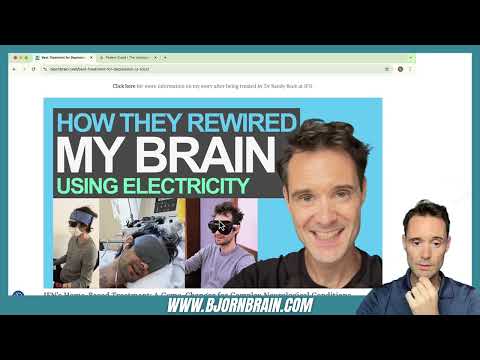
So, imagine you’ve tried everything for your depression—therapy, meds, all the self-help books. You’re definitely not alone in that struggle.
Now, here comes this thing called tDCS. Sounds fancy, huh? It stands for transcranial direct current stimulation. Crazy name for a pretty cool idea!
What if I told you this technique could help lighten that heavy cloud hanging over you? Yeah, it’s true!
Let’s chat about how tDCS works and how it might just be the missing piece in your mental health puzzle. Seriously, it’s worth a look!
Exploring tDCS Treatment for Depression: A Breakthrough in Mental Health Therapy
Sure thing! Let’s talk about tDCS, or transcranial direct current stimulation, which is like a new player in the mental health game, especially for folks dealing with depression.
So, basically, tDCS involves using a small device that sends low electrical currents to your brain. It sounds a bit sci-fi, right? But it’s actually pretty straightforward. You wear electrodes on your scalp that deliver these currents to specific areas that researchers believe are linked to mood regulation.
How does it work? Well, the idea is that these gentle electrical impulses can help **modulate neuronal activity**. Basically, they either ramp up or tone down the activity of certain brain cells to ease depressive symptoms. It’s like giving your brain a little nudge!
Now, you might be wondering about its effectiveness. Some studies have shown promising results. People have reported feeling less sad and more energized after participating in tDCS treatments. It’s not a one-size-fits-all solution though—everyone’s brain is different!
Also worth mentioning is the treatment schedule. Typically, people might receive sessions several times a week for a few weeks. Each session usually lasts around 20 to 30 minutes. Picture this: you’re sitting comfortably while this cool gadget works its magic on your mood.
Is it safe? Overall, yes! tDCS has been found to have minimal side effects—things like mild itching or redness at the electrode site are common but usually go away quickly.
But here’s where things can get tricky: not everyone will respond the same way. Some might find relief from their symptoms; others may notice no change at all. This variability makes it essential for researchers to keep studying how well it works across different populations and conditions.
And let me share something real quick—imagine someone you know who has struggled with depression for years finally finding something that helps them feel like themselves again after trying countless medications and therapies. That kind of transformation can be life-changing!
Where does it stand today? While tDCS isn’t considered first-line treatment just yet—it’s not as commonly prescribed as therapy or medication—it could be an exciting option for those who haven’t found success elsewhere.
In summary:
- tDCS uses low electrical currents to stimulate specific brain areas.
- It aims to modulate neuronal activity linked to mood.
- The treatment typically lasts 20-30 minutes per session.
- Mild side effects are possible but generally minor.
- Results can vary widely among individuals.
So yeah, while it’s still in the early stages of broader acceptance and understanding in mental health care, tDCS shows promise as a new tool against depression! It could be just one piece in the puzzle of finding what really clicks for those dealing with tough mental health battles.
Exploring the Effectiveness of tDCS for Treating Depression: Does It Really Work?
So, you’ve heard about tDCS and its potential for helping with depression, huh? Well, let’s break it down. tDCS stands for transcranial Direct Current Stimulation. And basically, it’s a non-invasive brain stimulation technique. The idea here is to apply a small electrical current to the scalp using electrodes. This current can tweak the way neurons communicate and might help lift those pesky clouds of depression.
Now, here’s where it gets interesting. Research has shown that tDCS can lead to some improvement in depression symptoms for certain folks. But—and this is a big but—it doesn’t work for everyone. Kinda like how some people swear by coffee while others can’t stand it. You follow me?
How does it work? Well, think of your brain as a busy highway. Sometimes traffic gets jammed up or moves too slowly. tDCS aims to get things flowing better by boosting the activity in specific areas of the brain associated with mood regulation.
Let’s consider a few points about its effectiveness:
- Research backing: Studies have shown some positive results in reducing depressive symptoms after multiple sessions of tDCS.
- Accessibility: It can be done at home with devices prescribed by professionals, making treatment more convenient.
- Side effects: Generally considered mild—things like itching or tingling at the electrode sites.
- Combination therapy: It often works best when paired with other treatments like therapy or medication.
But wait! Not all studies are created equal. Some find significant benefits while others report minimal effects. It’s one of those areas where they’re still figuring out who exactly benefits the most from tDCS.
Here’s an emotional nugget: Imagine sitting alone on your couch day after day, feeling weighed down by life like a blanket made of bricks. Then you try out tDCS and suddenly those bricks feel lighter—like someone’s finally thrown off that heavy blanket! For some people, this form of treatment can provide relief when nothing else seems to work.
So are there downsides? Absolutely! While it’s generally safe, we still need more research on long-term effects and who might be best suited for treatment. The reality is that mental health is super complex and sometimes what helps one person might not touch another.
In short, tDCS shows promise in treating depression but isn’t a miracle cure-all by any means. Just like any treatment option, it’s good to chat with your healthcare provider to see if it could be a good fit for you—or if there are other routes worth exploring first!
Comparing TACS and tDCS: Which Neuromodulation Technique is More Effective for Treating Depression?
Alright, let’s break down this whole TACS and tDCS thing and see how they stack up when it comes to tackling depression. It’s like comparing two styles of music—each has its vibe, but one might resonate with you more than the other.
First up, let’s chat about **tDCS**, or transcranial direct current stimulation. This technique works by sending a low electrical current through the brain via electrodes placed on your scalp. The idea is to change how neurons fire up, which can help lift your mood. So, if you’re feeling like you’re stuck in a gray cloud, tDCS could be a way to brighten things up a bit.
On the flip side, we have **TACS** (transcranial alternating current stimulation). This method also uses electrical currents but with a twist—literally! It sends alternating currents instead of just direct ones. Basically, TACS aims to sync your brain waves in ways that might promote better mood regulation and cognitive function.
Now here’s where it gets interesting: studies have shown that both techniques can have positive effects for people dealing with depression, but they do it differently.
- Effectiveness: Some research suggests that tDCS might be more effective at reducing symptoms of depression for certain individuals because it’s straightforward—it increases or decreases neuronal excitability based on how you set it up.
- Mechanism: TACS tends to be more about modulating brain rhythms. It’s like tuning a radio; you want to hit that sweet spot where everything sounds clear and in harmony.
- Side Effects: Both methods are generally well-tolerated with few side effects, though some folks report mild skin irritation from electrodes in tDCS or discomfort from the pulsating sensation in TACS.
But wait! It’s not all black and white here. Each person is different and what works wonders for one might not do much for another. Imagine you’re trying on shoes at a store—some fit perfectly while others just don’t work for your feet.
There’s also the *context* around treatment: What other therapies are being used? Is someone combining these neuromodulation techniques with therapy or medication? That could tip the scales toward one method being more effective than another!
So basically, choosing between tDCS and TACS isn’t about finding a “better” method overall; rather, it’s understanding which approach clicks better with your unique situation. The hope is always to find something that helps brighten those cloudy days whenever possible.
In short, both TACS and tDCS have their merits when treating depression, each bringing its own flavor to the table. If you’re considering either option, discussing with a healthcare professional who understands these nuances can really help tailor an approach that’s just right for you!
Alright, so let’s chat about tDCS, which stands for transcranial direct current stimulation. Sounds fancy, right? It’s a way of using a low electrical current on the scalp to kind of nudge the brain’s activity. People are looking into it for all sorts of things, but one of the big ones is depression.
Imagine feeling like you’re stuck in a fog that just won’t clear. You know, the kind that drags on, making everything seem heavy and gray? That was my friend Josh’s experience. He’d tried various therapies and medications but felt like nothing really clicked. Then he heard about tDCS through his therapist and decided to give it a shot.
So, tDCS works by sending these gentle currents to certain areas of your brain that are involved in mood regulation. The idea is to boost activity where it’s lacking or calm down areas that might be overactive. In Josh’s case, after just a few sessions, he started noticing small shifts—like colors getting brighter and moments of laughter returning. It wasn’t an overnight miracle or anything; it took time and consistency. But he really felt something lifting.
Now, researchers are still figuring out exactly how effective tDCS is compared to more traditional treatments like therapy or medications. Some studies show promising results in reducing depressive symptoms. But there’s a lot we don’t fully understand yet—like who will benefit most from it or what the long-term effects might be.
What strikes me is how important this all feels for people who are searching for relief from their struggles with depression. It seems like tDCS could potentially open new doors where other options have failed them. It’s not magic, but neither is it something to dismiss lightly.
And hey, if you’re exploring options for dealing with depression yourself or know someone who is, maybe talking about this could be helpful. You just never know what might resonate with someone or lead them to feel a bit more hopeful again!