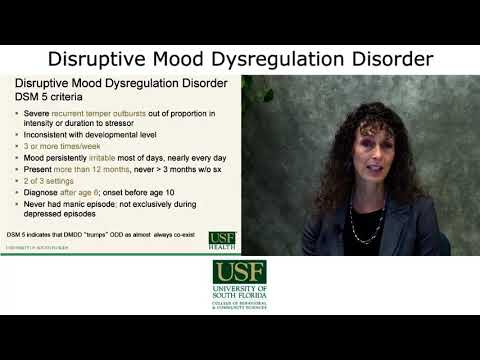
Hey there! You ever feel like your emotions are on a rollercoaster? One minute you’re chill, and the next, you’re ready to explode? Yeah, that’s real life for a lot of folks, especially those dealing with temper dysregulation disorder.
It’s not just about anger. It’s like having a hard time managing feelings in general. Picture it: you’re sitting at a café, and someone cuts in line. Most people might just roll their eyes. But for someone with this condition? It can feel like a personal attack.
And trust me, it can be really exhausting—both for you and the people around you. So let’s chat about what this all means, why it happens, and how you can navigate through those tricky emotional waters. Sound good? Cool!
Understanding Emotional Dysregulation: Key Mental Illnesses That Contribute to It
Emotional dysregulation can feel like riding a rollercoaster with no seatbelt. One minute you’re cruising along, and the next, you’re plummeting down out of nowhere. Basically, it’s when you struggle to manage your emotions, leading to intense feelings that seem overwhelming. It can be exhausting for you and anyone around you.
What’s behind this? Well, emotional dysregulation can pop up in a few key mental health conditions. Let’s break them down a bit.
- Bipolar Disorder: This condition is marked by extreme mood swings—from manic highs to crippling lows. During manic phases, your emotions might swing wildly from happy to irritable or even angry.
- Borderline Personality Disorder (BPD): People with BPD often experience intense emotions that can change rapidly. Relationships might turn from feeling blissful to feeling abandoned in just a heartbeat.
- Anxiety Disorders: Anxiety can trigger a fight-or-flight response that makes your emotions feel like they’re on fire. When overwhelmed with worry, it’s tough to maintain emotional balance.
- Post-Traumatic Stress Disorder (PTSD): Trauma can lead to flashbacks or heightened reactions to stressors that bring back painful memories, making emotional regulation tricky.
- Sometimes, ADHD leads to impulsive behaviors driven by overwhelming feelings—like snapping at someone when you’re frustrated about something totally different.
It’s pretty common for folks dealing with emotional dysregulation to feel like they’re on edge all the time. Maybe you’ve had one of those days where even small annoyances send you over the edge? I remember my friend Lisa—she once lost it over a tiny spilled drink at dinner; she felt embarrassed later but couldn’t help herself in the moment.
The good news? There are ways to help manage these intense feelings! Talk therapy is often effective; therapists work with you on techniques like mindfulness and coping strategies. Some people find medications helpful too—though it’s essential to chat with a healthcare provider about what might work best for you.
In short, understanding where those feelings are coming from is key. It doesn’t mean you have to stay stuck in that rollercoaster ride forever! You’ve got options and support available if you decide to reach out for help. Remember, seeking assistance isn’t just okay; it’s actually a really strong move!
Effective Ways to Support Someone Experiencing Emotional Dysregulation
Supporting someone dealing with emotional dysregulation can feel a bit daunting, but it’s totally doable. Let’s break it down together.
Understanding Emotional Dysregulation is the first step. It’s often linked to conditions like Temper Dysregulation Disorder, which can make managing emotions tough. Think about it: one moment everything seems fine, and then, bam! A wave of frustration or sadness hits out of nowhere. You see your friend struggling to balance their feelings, and that can be really hard to watch.
Active Listening is a super effective way to show support. When your friend talks about what they’re feeling, give them your full attention. Nod along and make eye contact. Reflect back what they’re saying—like, “It sounds like you’re really overwhelmed.” This kind of validation helps them feel seen and understood.
Sometimes it helps to offer a calming presence. You know how just sitting quietly with someone can ease the tension? Encourage them to take deep breaths or suggest going for a walk together. Being active can help release some of that pent-up energy! Just remember not to push; ask if they’d like the company first.
Another thing you can try is setting boundaries. It might sound counterintuitive when you’re trying to be supportive, but clear boundaries protect both you and your friend. If their emotional highs and lows start affecting you too much, be honest about what you need. Saying something like, “I care about you a lot but I need some time for myself,” shows that you’re there for them while also taking care of yourself.
Now let’s talk about encouraging healthy coping strategies. Help them find things they enjoy that calm them down—like drawing, listening to music, or even playing video games. Suggest these activities without being pushy; just drop hints here and there about things that brought them joy in the past.
You could also help by encouraging professional help. If their dysregulation feels overwhelming for both of you, gently suggest reaching out for therapy or counseling. A therapist can provide tools specifically tailored for navigating these intense emotions—something friends usually can’t fully tackle alone.
It’s important to remember that their feelings aren’t your fault or yours to fix! Your role is more like a compass guiding them through stormy seas rather than the one steering the ship.
Finally, don’t forget about patience and compassion. Emotional dysregulation isn’t something they choose; it’s often tied into deeper issues or past experiences. There will be good days and bad days—but being consistently there makes all the difference in the world.
By following these points, you’ll not only support your friend but also strengthen your relationship with them as they navigate through this challenging experience!
Effective Strategies for Treating Dysregulated Mood Disorder: A Comprehensive Guide
Sure, let’s talk about dysregulated mood disorder, or what some folks might call temper dysregulation disorder. This can be a pretty tough thing to deal with. Imagine feeling like you’re on a rollercoaster of emotions—like one minute you’re fine, and the next you’re exploded over something small. Sound familiar? Here are some effective strategies that can help manage those ups and downs.
Therapeutic Approaches
One of the best ways to tackle this is through therapy. Different kinds of therapy can be super useful:
A friend of mine once went through CBT for mood swings, and it really changed how she approached her emotions. Instead of feeling lost in her anger or sadness, she learned to catch herself before things spiraled out of control.
Medication Options
While I’m not a doctor, medication sometimes plays a role too. Antidepressants or mood stabilizers may help even things out if therapy alone isn’t cutting it:
Just remember: medication isn’t a one-size-fits-all situation! Finding the right balance takes time.
Coping Strategies
You know, when it comes down to it, having solid coping strategies is key:
One time I read about someone who started running every day as a way to cope with their moods. They said it helped clear their mind!
Support Systems
Surrounding yourself with family or friends who understand what you’re going through is crucial. They can offer support when you’re feeling overwhelmed:
Honestly? Just knowing you’re not alone in this battle makes a world of difference.
So there you have it! Dealing with dysregulated mood disorder involves combos of therapy, possible medication, effective coping strategies, plus strong support systems from people who care about you. Remember: progress takes time—it’s totally okay to have ups and downs along the way!
Navigating temper dysregulation disorder can feel like trying to walk a tightrope while juggling flaming torches. Seriously, one minute you could be fine, laughing at a funny meme, and the next, you’re exploding over something that seems tiny. It’s like your emotions have a mind of their own—just ready to spring into action at the slightest provocation.
Imagine this: you’re at a coffee shop, chilling with a friend. Everything’s great until they accidentally spill their drink all over your favorite book. While most people might feel annoyed, you find yourself on the edge of rage, heart racing, fists clenching. You’ve gone from zero to sixty in no time flat! That’s what it can be like living with temper dysregulation.
So what is this really? Well, it’s more than just getting mad easily. It’s as if your emotional buttons got mixed up or short-circuited. You might know in your head it shouldn’t hurt that much when someone cuts you off in traffic or forgets to text back, but your heart doesn’t quite get the memo. And that disconnect can lead to some blow-ups that leave you feeling awkward or even ashamed afterward.
Dealing with this isn’t just about managing anger; it’s about understanding yourself better and finding those triggers—like stress levels or specific situations—that push you over the edge. Therapy can help here; talking it out with someone who gets it can be super useful. Cognitive-behavioral therapy (CBT), for instance, often focuses on recognizing thought patterns and how they lead to emotional reactions.
But there are also practical tricks to use when you feel that volcano inside brewing up! Deep breathing helps calm things down a little—like taking a step back before reacting or going for a walk when you’re feeling heated can work wonders.
And remember: it’s okay not to be perfect at managing everything right away. We’re all human after all! It can take time and patience to learn those skills and find ways that work for you specifically. Don’t hesitate to reach out for support; you’re definitely not alone in this journey.
At the end of the day, navigating temper dysregulation isn’t just about fluently expressing anger; it’s about learning how to respond rather than react and finding peace amidst chaos—a journey worth taking for sure!