You ever feel like you just can’t figure out why you do the things you do? Like, some days you’re super pumped, and other days, well, not so much?
It’s kind of wild how our temperament shapes our moods and reactions. Seriously. Getting to know your own temperament can be a total game changer for your mental health.
Picture this: if you could understand yourself a bit better, wouldn’t that help with all the ups and downs? That’s what we’re chatting about today—your unique vibe and how it impacts your life.
So, let’s break it down together! You might find some surprising stuff about yourself along the way. Ready?
Understanding Temperament in Mental Health: Key Insights for Better Emotional Well-being
When we talk about temperament, we’re really diving into some fundamental aspects of who you are. It’s like the color palette of your personality, shaping how you react to the world around you. Understanding your temperament type can be a game-changer for your mental health and emotional well-being.
What is Temperament?
Temperament refers to the inherent traits that influence how you think, feel, and behave. Think of it like the hardware of your mind—it’s always there, even if it gets updated by life experiences.
Four Main Temperament Types:
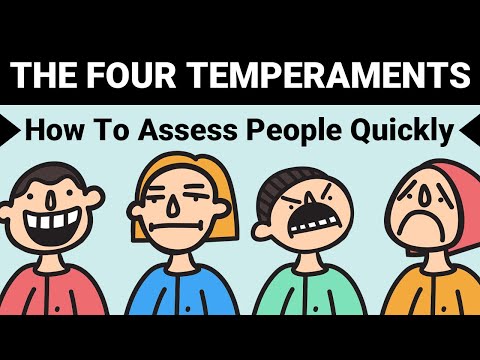
There are basically four main types: **sanguine, choleric, melancholic**, and **phlegmatic**. Each has its unique characteristics:
- Sanguine: Super social and enthusiastic! If you’re sanguine, you probably love being around people and seek out new experiences.
- Choleric: Goal-oriented and confident. Cholerics tend to take charge in situations, often driven by their desire for achievement.
- Melancholic: Thoughtful and introspective. If this is you, you might have a rich inner life but can also feel a bit overwhelmed by emotions.
- Phlegmatic: Easygoing and reliable. Phlegmatics are typically calm in stressful situations but might struggle with making decisions.
Knowing your type can help identify patterns in your emotional responses. For instance, if you’re choleric but find yourself feeling anxious in social settings, that mismatch between your natural tendencies and expectations can create stress.
The Importance of Self-Awareness
Understanding where you fit in can boost self-awareness immensely. Imagine realizing that when you’re feeling down or irritable; it’s not just a mood swing but perhaps tied to the fact that your sanguine side craves connection! That light bulb moment helps you take proactive steps—like calling a friend or joining a group activity.
A friend of mine once shared her experience with this. She always felt out of place at work because she was surrounded by more choleric types who thrived on competition while she was more phlegmatic and just wanted a supportive environment. Once she recognized her temperament type, she sought positions where collaboration was emphasized rather than constant competition.
Taming Emotional Responses
Recognizing your temperament also helps manage emotional responses better. For example:
- If you’re melancholic, understanding this trait allows you to practice self-care strategies when emotions run high.
- Sanguine? You might need reminders to slow down if excitement leads to burnout.
- Your phlegmatic nature could benefit from motivation techniques so indecision doesn’t hold you back.
Feeling overwhelmed? Create routines or find activities that resonate with your temperament’s strengths!
Navigating Relationships
When it comes to relationships—friendships or romantic—you’ll find that knowing each other’s temperaments enhances communication. If friends understand they have different approaches—like being more introverted or extroverted—they might be more patient during conflicts.
For instance, if someone identifies as melancholic in a relationship while their partner is sanguine, they need to communicate openly about needing space versus seeking adventure together.
That’s basically like having a cheat sheet for miscommunications!
A Final Thought
In short, understanding your temperament isn’t just about labeling yourself; it gives insight into your feelings and actions—and lets you navigate life much more smoothly! Recognizing how these temperamental traits play into mental health offers valuable tools for growth too! So take some time to explore yours—it could be the key to unlocking better emotional well-being!
Discover Your Temperament Type: A Guide to Understanding Your Unique Personality
Understanding your temperament type can be pretty eye-opening. It’s like peeking into a part of yourself that explains why you react to stuff the way you do. So, let’s break this down without making it too complicated, alright?
There are basically four main temperament types: sanguine, choleric, melancholic, and phlegmatic. Each one has its own quirks and traits that shape how you interact with the world.
Sanguine: If you’re a sanguine person, chances are you’re outgoing and the life of the party. You tend to be enthusiastic, cheerful, and love socializing. Think of that friend who can strike up a conversation with anyone in line at the coffee shop—yep, that’s you! But sometimes, this lively nature can lead to being a bit impulsive or disorganized.
Choleric: Now, if you’re choleric, you’re probably a natural leader. You’re goal-oriented and love taking charge—like when your group project needs someone to step up and organize everything. That said, while being assertive is great, it can come off as bossy or intolerant sometimes.
Melancholic: If melancholic describes you best, you might find yourself deep in thought often. You’re reflective and detail-oriented. This could mean you’re super creative or have an appreciation for art and beauty—cool traits! However, this deep mindset can also lead to being overly critical of yourself or getting stuck in negative thoughts.
Phlegmatic: Lastly, if you’re more phlegmatic, you’re likely calm and collected. People often find comfort in your steady presence since you’re easygoing and reliable. But hey, it’s not all sunshine; sometimes being too laid-back might mean avoiding conflict or important decisions.
Now let’s chat about how knowing your type helps with mental health. For starters:
- Acknowledgment: Recognizing your temperament helps validate your feelings and reactions.
- Coping Strategies: Different types may benefit from different coping techniques—for example, melancholic folks might need to focus on self-compassion exercises.
- Relationships: Understanding each other’s temperaments can improve communication with friends or partners.
So imagine Jamie—a sanguine who thrives on social interactions but often feels overwhelmed by deadlines because they struggle with organization. Knowing this about themselves could help Jamie create more structured routines for work while still keeping those fun social moments in place.
In another scenario, let’s say Alex is choleric but often comes off as too intense at work. Realizing their temperament could prompt Alex to take a step back during team meetings—to listen more than talk—and build better team dynamics.
Ultimately, knowing your temperament type isn’t about putting yourself in a box; it’s like having a map for navigating life better! By figuring out how you tick—and understanding others—you have a clearer path toward emotional well-being and healthier relationships.
So next time things get tricky emotionally or socially? Take a moment to reflect on what temperament resonates with you most—it could just be the insight you’ve been looking for!
Discover Your Temperament Type: A Fun Quiz to Boost Your Mental Health
So, let’s talk about temperament types. You know, like those basic personality styles that kinda shape how you feel and react to stuff in life? Understanding your temperament can really give you a boost in mental health. It’s like unlocking a door into how you tick emotionally.
Temperament is usually divided into four main types: choleric, melancholic, sanguine, and phlegmatic. Each one has its quirks and traits. Knowing yours can help you make sense of your feelings, relationships, and everyday reactions.
Choleric folks are the go-getters. They’re super driven, ambitious, and often take charge of situations. If you’re like this, you might find yourself feeling frustrated when things don’t move at your pace. That’s totally normal! Just remember to take a breather and let others catch up sometimes.
On the other hand, melancholic individuals tend to be deep thinkers. You’re probably sensitive and reflective, often feeling emotions intensely. It’s awesome that you connect so deeply with people! But watch out—sometimes those feelings can get overwhelming. Finding healthy outlets for your emotions is key.
Then we have the sanguine type—these are the life of the party! If this sounds like you, you’re probably social and love being around others. However, balancing that excitement with quiet time can improve your overall peace of mind.
Last but not least is the phlegmatic type. You’re usually pretty easy-going and calm under pressure. But here’s the thing: staying too comfortable might lead to avoiding challenges that could really help you grow.
So how do you figure out what type fits you? There are some fun quizzes floating around online that can help narrow it down for ya! Just answer questions about your habits and preferences honestly—it doesn’t have to be serious!
Once you’ve identified your temperament type, think about how it affects your daily life:
- Your Relationships: Understanding why conflicts arise or why certain connections feel so strong makes a big difference.
- Your Work Style: Knowing if you’re a natural leader or prefer collaboration can guide your career choices.
- Your Coping Strategies: Each temperament reacts differently in stressful times; find what works best for yours!
Since I’m all about real stories here, let me share something personal—my friend Sarah always struggled with anxiety because she’s a melancholic type who feels everything deeply. Once she took a personality quiz and learned more about her temperament, she found new ways to cope with overwhelming feelings by journaling regularly instead of keeping everything bottled up.
So yeah! Delving into your temperament isn’t just an exercise; it’s more like getting a behind-the-scenes pass into understanding yourself better—emotionally speaking. That knowledge can lead to healthier choices and even better days ahead!
You know, understanding your temperament can really be a game-changer for your mental health. Seriously, it’s like finding a map to navigate your feelings and reactions. It’s wild to think how something so innate can shape our interactions with the world and ourselves.
I remember when my friend Mike started figuring out his temperament type. He’d always been the laid-back, easy-going guy, but sometimes he didn’t realize how much he kept things bottled up inside. Once he learned about being more phlegmatic—the chill type—he began to see that while his calmness was cool, it also meant he often avoided confronting issues. That realization helped him open up more, and guess what? His relationships started thriving because he wasn’t just floating along anymore.
So yeah, there are four main temperament types—sanguine (the social butterfly), choleric (the go-getter), melancholic (the deep thinker), and phlegmatic (the peacekeeper). Each one has its strengths and weaknesses. If you’re naturally a sanguine person like my sister Liz, you might shine in social situations but struggle with follow-through. For someone melancholic like me—a bit of a daydreamer—I can get lost in thought and miss out on the here-and-now.
Discovering which type you relate to most helps shift how you approach stressors or challenges in life. You start recognizing patterns in your behavior; why certain things trigger strong emotions or why you react a certain way in conversations. It’s enlightening! Plus, once you know your type, it’s easier to communicate those needs to others. “Hey, I need some quiet time because I’m more of an introspective person,” can save a whole lot of confusion and frustration.
Think of this process as sort of peeling back layers of an onion—each layer gives you insight into who you are and why you respond the way you do. And getting comfy with your temperament gives room for self-compassion; we’re all wired differently! You learn not to judge yourself so harshly for traits that might seem less “ideal.”
At the end of the day, knowing your temperament is about creating harmony—within yourself first, then with others around you. Whether you’re bouncing from one event to another as a sanguine or quietly absorbing everything like a melancholic thinker—you’ve got tools now for better mental health just by embracing who you are at your core.