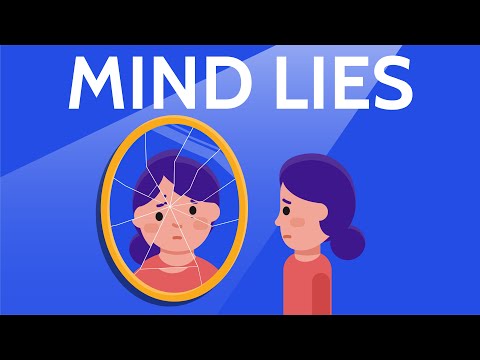
You know how sometimes your brain just goes off on a wild, emotional tangent? Yeah, we’ve all been there. One minute you’re fine, and the next you’re spiraling into a pit of self-doubt or anxiety. It can feel exhausting, right?
Well, the thing is, a lot of that chaos comes from thinking errors. These little mental hiccups can really mess with how we feel about ourselves and the world around us. They’re sneaky!
In this chat, let’s dig into some of those common thinking errors. Understanding them can totally change how you see things. So stick around; it might just give you a new perspective!
Understanding 10 Common Cognitive Distortions: A Comprehensive PDF Guide for Mental Wellness
Understanding cognitive distortions can be a game changer for your mental wellness. These thinking errors aren’t just annoying; they can deeply impact how you feel and behave. So, let’s break down some common ones, shall we?
1. All-or-Nothing Thinking
This is when you see things in black and white. You might think, «If I’m not perfect, I’ve failed.» It’s like viewing life as a series of straight A’s or flunking out. So, if you miss one workout, you might tell yourself you’re just a total failure, which can lead to giving up altogether.
2. Overgeneralization
Ever had one bad experience and thought it would happen again and again? That’s overgeneralization for ya! Like if you bombed an interview and then decided you’ll never get hired anywhere again. It creates a blanket of negativity that covers everything else.
3. Mental Filter
Imagine focusing only on the negative stuff while ignoring the positives around you. You might get a compliment on your work but fixate on that one piece of criticism instead. This distortion makes it easy to feel down about yourself without seeing the whole picture.
4. Discounting the Positive
With this distortion, good things just don’t count! Let’s say someone praises your skills; instead of feeling good about it, you think they were just being nice or don’t really mean it. This undermines your confidence over time.
5. Jumping to Conclusions
This one can create huge misunderstandings in relationships! You might assume someone is upset with you without any real evidence to back it up—just an uneasy feeling or a facial expression that could mean anything.
6. Catastrophizing
Here we go with thinking the worst-case scenario every single time! If your friend doesn’t text back immediately, maybe they’ve been kidnapped or are mad at you? This thinking twists situations into something way more dramatic than they are.
7. Emotional Reasoning
Feeling anxious? Then everything must be dangerous or wrong! This thought process leads people to believe their feelings are facts—like if you’re feeling sad today, life must be terrible overall.
8. “Should” Statements
You keep telling yourself what you *should* do: «I should exercise more,» or «I shouldn’t watch so much TV.» This puts pressure on yourself and can lead to feelings of guilt when reality doesn’t match those shoulds.
9. Labeling and Mislabeling
This is all about placing labels on yourself or others based on mistakes rather than actions: “I’m such a loser” or “He’s so selfish.” Labels stick and become part of identity instead of being seen as temporary mistakes.
10. Personalization
You take responsibility for events outside your control—like thinking it’s your fault when friends have a fight or when things go wrong at work even when it has nothing to do with you! That weight gets heavy quick!
Recognizing these patterns in how we think is like having a flashlight in a dark room—it illuminates paths toward understanding ourselves better and ultimately helps us make better choices for our mental health. It’s around this awareness where real change happens!
So next time you’re caught in one of these distortions, take a step back and ask yourself: Is this really true? What evidence do I have? Remember, you’re not alone in this journey; realizing these thought traps is already half the battle won!
Understanding 10 Common Cognitive Distortions and Their Impact on Mental Health
Cognitive distortions are, basically, those sneaky little thought patterns that can mess with your head. They twist reality and make everything seem worse than it is. Understanding these distortions can be a game-changer for your mental health. So, let’s break down ten common ones and how they impact us.
All-or-Nothing Thinking is like viewing life in black and white. There’s no middle ground. You either succeed or fail. For example, if you don’t get an A on a test, you might feel like a total failure instead of recognizing that a B is still good. This kind of thinking can lead to feelings of inadequacy.
Overgeneralization takes one negative event and generalizes it to everything else. Like if you go through a breakup, suddenly you might think all relationships are doomed. It’s tough because it makes you expect failure everywhere, which can leave you feeling hopeless.
Mental Filtering is when you focus only on the negatives while ignoring the positives. Let’s say someone compliments your work but also gives some constructive criticism. If all you hear is that criticism, it can really hurt your self-esteem and make you doubt yourself.
Discounting the Positive is similar but slightly different. You might downplay any good things about yourself or your life. Maybe someone tells you you’re talented at something; instead of accepting it, you’d say to yourself, «They’re just being nice.» This keeps your confidence low.
Jumping to Conclusions happens when you assume things without any evidence to back them up. For instance, if a friend doesn’t text back right away, you might think they’re mad at you or don’t want to be friends anymore—totally not true! This type of thinking leads to unnecessary stress and anxiety.
Catastrophizing makes every little problem feel like the end of the world. When something small goes wrong—like being late for work—you might think you’ll get fired or ruin everything in your life because of it! This distortion can elevate anxiety levels ridiculously high.
Emotional Reasoning is when your feelings dictate what’s true about reality. If you’re feeling anxious about an upcoming presentation, you’d convince yourself that you’re going to bomb it based solely on those nerves rather than any real evidence. This keeps fear close by.
«Should» Statements, oh man! These can add so much pressure! Saying things like “I should be better,” or “I should have accomplished more” creates guilt and frustration when we can’t meet these unrealistic expectations we set for ourselves.
Lastly, Name-Calling, where we label ourselves negatively based on our mistakes (“I’m such a loser” after messing up), leads to poor self-esteem over time. It’s harsh and really doesn’t reflect who we are as people!
These cognitive distortions affect mental health seriously by causing anxiety, depression, and low self-esteem over time if unchecked—and they often go unnoticed because they feel like regular thoughts! Remember that recognizing these patterns is the first step towards changing them—and feeling better overall!
Like I said earlier: awareness is vital in navigating through these tricky mind games we play with ourselves!
Understanding Cognitive Distortions: 10 Common Examples and How They Affect Mental Health
Cognitive distortions are like pesky little gremlins in our minds that twist our thinking, skewing reality and affecting how we feel. You know that feeling when you get stuck in a negative thought loop? That’s often a cognitive distortion at play! Basically, these are irrational thoughts that can lead to negative feelings and behaviors. Let’s break down some common examples and how they can mess with your head.
1. All-or-Nothing Thinking
This one’s a classic. It’s when you see things in black and white—no room for gray areas. Like, if you don’t ace that presentation, you think you’re a total failure. This extreme view can lead to unnecessary stress and disappointment.
2. Overgeneralization
Ever had one bad day and thought it was going to last forever? That’s overgeneralization talking! You might think that because one relationship didn’t work out, you’ll never find love again. It creates this heavy cloud of hopelessness.
3. Mental Filter
Imagine you’re at a party having fun, but then someone makes a slightly rude comment—it’s easy to focus on that instead of the good moments. A mental filter makes you zero in on the negative while ignoring the positives, leaving you feeling down.
4. Discounting the Positive
Similar to the mental filter, this distortion leads you to brush off compliments or positive experiences as “lucky” or “not deserved.” If someone tells you you’re doing great at work and you think they’re just being nice, that’s discounting the positive!
5. Jumping to Conclusions
You might think your friend is mad at you because they didn’t text back right away. That’s jumping to conclusions without any solid evidence! This kind of thinking can create unnecessary tension in relationships.
6. Catastrophizing
This is when you imagine the worst possible scenario happening for even minor issues—like thinking getting feedback will lead to losing your job! It’s like letting your imagination run wild in all the wrong directions.
7. Emotional Reasoning
Your feelings become facts here; if you’re anxious about something, it must mean something bad is going to happen! Just because you’re feeling uneasy doesn’t mean there’s an actual threat lurking around the corner.
8. «Should» Statements
Those pesky «should» statements can really weigh heavy on our minds—like saying, “I should be more successful” or “I should be happier.” When reality doesn’t match those expectations, it often leads to guilt or frustration.
9. Labeling and Mislabeling
Instead of saying you’ve made a mistake, labeling takes it a step further—you call yourself a loser instead! This not only affects self-esteem but also creates this cycle of negativity that’s tough to break free from.
10. Personalization
This happens when anything negative feels like it’s your fault—even if it’s not related to you at all! For example, if there’s tension between friends, you might blame yourself without understanding there are other factors involved.
Understanding these distortions is crucial because they directly impact Mental Health.. Recognizing them helps challenge those thoughts head-on. For instance, next time you’re spiraling into all-or-nothing thinking or catastrophizing about something small, take a step back and ask yourself: Is this really true?
It takes practice but challenging these distorted thoughts can lead to healthier thinking patterns over time—cause who needs unnecessary stress anyway? So keep an eye out for those little gremlins; they’re trickier than they seem!
You know, our minds can really throw a curveball sometimes. It’s like, you’re just chilling, and suddenly your brain starts spiraling into some wild thinking errors. We all have those moments, right? I mean, for me, there were times I’d be feeling down and out about my performance at work. I’d think things like “I’m just no good at this,” even when my boss was totally happy with my work.
These little cognitive hiccups can really mess with how we see ourselves and the world around us. Some common ones are like black-and-white thinking—where you either nail it or totally fail it—no in-betweens. It’s exhausting! You might catch yourself thinking everyone hates you after one awkward interaction. That’s another biggie: personalizing everything and making it all about you when, let’s be honest, people are usually focused on their own stuff.
Then there’s catastrophizing, which is basically turning a minor hiccup into the end of the world. Oh boy! Like when you trip over your own feet in front of a crowd and suddenly you’re picturing yourself living alone with 20 cats because you’re too embarrassed to show your face again.
And don’t get me started on overgeneralization—one bad date doesn’t mean you’ll never find love again! Remember that time you thought you’d bombed an interview but ended up getting the job? Yeah, our brains can be sneaky!
Anyway, it’s super important to catch these thoughts before they run away with us. Reflecting on them can help you untangle your mind from these common traps. I mean, life is messy! But knowing that our perceptions can be skewed? That’s powerful stuff! So next time your brain starts throwing all those crazy thoughts at you, take a step back and challenge them—it’s totally worth it!