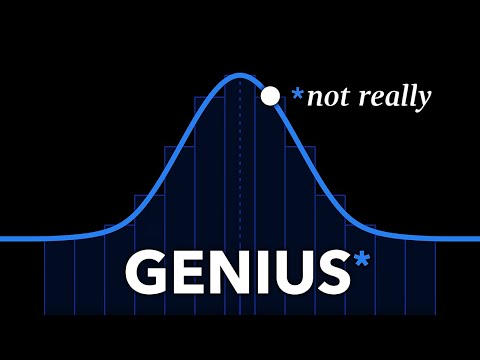
You know, IQ tests are one of those things people love to talk about. Like, what’s your number? But here’s the twist—does that score really mean anything for your mental health?
I mean, it’s fascinating when you think about it. Some folks are super smart, and others… well, may not be that into numbers and letters. But how does all that connect to how we feel inside?
It’s not just about brainpower; there’s a whole emotional side to this. Seriously, understanding IQ could give us some insights into how our minds work—like why some days feel so heavy while others are light as a feather.
So grab a snack, settle in, and let’s hash this out!
Exploring the Accuracy of IQ Tests: What They Reveal About Intelligence
IQ tests have been around for quite a while now, and they stir up quite the conversation, don’t they? Some folks swear by them, believing they’re a solid way to measure intelligence. Others think they’re just a snapshot that misses so much of what it means to be smart. So, let’s unpack this whole IQ thing a bit.
First, IQ tests are designed to measure certain cognitive abilities, like reasoning and problem-solving skills. But these tests can’t capture everything about intelligence. For example, creativity or emotional intelligence? Nope, not really tested at all. Can you see how frustrating that could be?
And there’s also the issue of cultural bias. Different backgrounds might play a huge role in how someone approaches these problems on an IQ test. Imagine somebody who grew up in one place versus another—totally different experiences could lead to different outcomes on these tests. It’s like trying to compare apples and oranges.
Now let’s talk about mental health for a second. Some studies suggest that I.Q scores can influence mental health, but it’s complicated. A higher IQ might make someone feel pressure to succeed or stand out—think of the high achiever who feels they can’t fail. On the flip side, some abilities associated with lower scores could lead to feeling misunderstood or facing stigmatization.
Also, there’s this idea of the “Flynn Effect,” which says people are scoring higher on IQ tests over time due to environmental factors like better education and nutrition. It raises questions about whether we’re truly getting smarter or just getting better at taking these tests.
And here’s another thing: just because someone scores low on an IQ test doesn’t mean they’re not capable of brilliant ideas or creativity! Think of people like Einstein; he wasn’t exactly known for stellar grades in school but went on to change how we understand physics forever.
So yeah, while IQ tests can offer some insight into cognitive abilities, they’re not the end-all-be-all when it comes to understanding intelligence or predicting someone’s potential in life or their mental health struggles.
To sum it up:
- Not comprehensive: They miss out on creativity and emotional intelligence.
- Cultural bias: Different backgrounds can skew results.
- Mental health influence: High scores can create pressure; low scores may lead to stigmatization.
- The Flynn Effect: Higher scores over time raise questions about what really influences intelligence.
- Real-world potential: Low I.Q doesn’t equal low capability; history shows us this!
In other words, look beyond those numbers! Intelligence is rich and varied—you know? Just like us!
Exploring the Limitations of IQ Tests in Understanding Mental Health and Intelligence
It’s easy to think that IQ tests are the gold standard for measuring intelligence, right? Like, if you have a higher score, you’re smarter. But the truth is a bit more complicated. There are some big limitations when it comes to using IQ tests to really grasp mental health and intelligence.
First up, IQ tests mainly focus on specific cognitive skills. They usually assess things like logical reasoning, mathematical ability, and language skills—but what about creativity or emotional intelligence? Those things matter too! You can be brilliant in one area but struggle in others.
Also, cultural bias plays a huge role. Many IQ tests are designed around certain cultural norms. If you aren’t familiar with those backgrounds or experiences, your score might not reflect your actual intelligence. This can especially affect people from diverse backgrounds. Imagine taking a math test in a language you don’t understand—it’s not fair!
Then there’s the issue of mental health conditions. A lot of folks dealing with anxiety or depression might not focus well during these tests. So their scores could end up lower than they would be on any given day when they’re feeling fine. This makes it tricky because they might actually have lots of potential, just not at that moment.
Now let’s talk about how stress affects testing performance. If you’re anxious about taking an IQ test, your mind might go blank when you need it most! You could end up with a score that doesn’t represent your true abilities simply because of nerves.
Another thing? Emotional and social skills aren’t measured in traditional IQ assessments. Someone can ace an IQ test but may still struggle in social situations or have trouble managing their emotions. Intelligence isn’t just about how well you can solve puzzles—it’s also about how well you connect and communicate with people.
It’s worth mentioning that even within the realm of mental health treatment, too much emphasis on IQ can be problematic. When therapists lean heavily on these scores for understanding a person’s capabilities or challenges, they may overlook other important aspects of an individual’s life and experiences.
In short, while IQ tests can provide some insight into certain cognitive abilities, they don’t give the full picture when it comes to understanding intelligence and mental health overall. People are complex beings; we’re not just numbers on a scale! Life skills and emotional resilience play huge parts in our everyday experiences—and those aren’t captured by an IQ test.
So next time someone mentions their score or brags about being “smart,” remember: there’s so much more to being intelligent than just what a piece of paper says!
Exploring the Connection Between Low IQ and Mental Illness: Insights and Implications
Alright, let’s chat about something that’s often misunderstood: the link between low IQ and mental illness. You might think it’s pretty straightforward—like, lower IQ equals more mental health issues—but it’s way more complicated. Seriously! There’s a lot to unpack here.
First off, what does IQ even measure? Well, IQ, or intelligence quotient, is a score derived from standardized tests that are designed to measure human intelligence. It basically assesses your ability to solve problems, understand concepts, and learn from experiences. But here’s the kicker—it doesn’t capture emotional intelligence or creativity. And those factors can be huge when it comes to mental health.
Now, studies have shown that there is a correlation between low IQ and certain mental illnesses. For instance:
- Schizophrenia: People with lower IQ scores may have a higher risk of developing this serious condition.
- Anxiety Disorders: Those with lower cognitive abilities might experience anxiety more frequently.
- Depression: There’s some evidence suggesting that lower IQ can correlate with higher rates of depression.
The reason behind this connection isn’t entirely clear. One theory suggests that folks with lower cognitive abilities might struggle more in life—think challenges in education or job opportunities—which can lead to stress and ultimately affect mental well-being.
This reminds me of someone I knew back in school. Let’s call him Jake. He had a tough time keeping up academically due to his learning difficulties. As he got older, he started feeling really isolated and anxious because he compared himself to his peers constantly. It was heartbreaking to see him become withdrawn.
But let’s not paint too broad of a brush here! Not everyone with low IQ will face mental health issues. It’s essential to remember that mental health is influenced by many factors, including environment, genetics, and social support systems. Some people find strength in their communities or develop coping skills that help them thrive despite challenges.
A key takeaway here is the importance of support for those who may struggle due to low IQ or other intellectual disabilities. It really makes a difference when people have access to resources like therapy or educational programs designed specifically for their needs.
So what’s the implication all this has? Well, if you know someone who might be dealing with low IQ and potential mental health struggles, it could be beneficial to encourage them to seek professional help. Whether it’s therapy or practical support in navigating life’s challenges, every bit counts!
In summary: while there may be connections between low IQ and certain mental illnesses, each person has their own unique journey. Understanding this can foster compassion.You never know what someone is going through behind the scenes!
You know, IQ tests are kinda like those scorecards we get in school. They tell us something about our abilities, but they definitely don’t capture the whole picture of who we are. I mean, think about it.
A buddy of mine once took an IQ test in high school. He was feeling pumped to see his number and, oh man, he expected to be a genius. But when he got his results back, they were kind of mixed. Sure, he did alright, but it wasn’t what he envisioned. It really got to him for a while. The thing is, despite that score, he was one of the most creative thinkers I knew! He could come up with ideas that blew everyone away.
So let’s talk about how this relates to mental health. High IQ’s sometimes boost confidence and open doors—like getting into certain schools or jobs. But here’s a kicker: people with higher IQs can also feel out of place or struggle with anxiety because they think others won’t understand them or their ideas won’t land well.
And then you have folks with average scores who are really great at connecting with others emotionally and navigating social situations like pros! They might not have the same intellectual prowess on paper but can build strong relationships and have fulfilling lives.
What I’m getting at is that while measuring your IQ might give you some insight into your cognitive abilities, it’s not like a complete map for how you’ll handle life’s challenges or manage your mental health. Emotional intelligence—like being aware of feelings and knowing how to express them—often plays an even bigger role in how we interact with the world.
Life is so much richer than just numbers! So if you’re feeling down about a score or comparing yourself to someone else, just remember: it’s your unique blend of experiences and qualities that really defines you—not just a single test result!