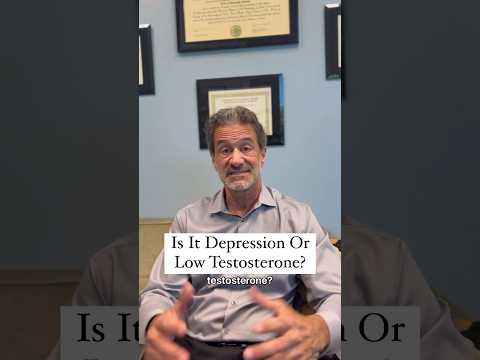
You know how some days feel heavier than others? Like, everything just seems harder to deal with? Well, believe it or not, testosterone might be in the mix. Yeah, that same hormone everyone talks about in the context of muscles and energy levels can also stir up emotional stuff.
So picture this: you’re feeling low. Motivation’s gone, and everything feels foggy. What if a little tweak in your hormones could help clear that fog? Seriously, there’s some interesting research out there linking testosterone levels with mood and depression management.
It’s kinda wild when you think about it. This isn’t just about weightlifting or “manly” things; it’s about understanding how our bodies work and how they affect our minds. Let’s dig into this whole testosterone-depression connection together—it might just shine a light on something we’ve overlooked!
Exploring the Link Between Testosterone Levels and Relief from Depression and Anxiety
Let’s talk about testosterone and how it might be linked to feelings like depression and anxiety. You might be thinking, “Wait, what? Isn’t that just a male hormone?” Well, hold on. While testosterone is often associated with men, it’s found in everyone—just at different levels.
What’s testosterone? It’s a hormone produced mainly in the testes for men and the ovaries for women. It plays a role in lots of bodily functions, like muscle mass and bone density. But it also seems to have some influence on our mental well-being.
So, you’re probably curious about how this all ties into depression and anxiety. Studies have suggested that there could be a connection between low testosterone levels and these mood disorders. For instance, when guys experience low testosterone—maybe due to aging or health issues—they sometimes report feeling down or anxious. It’s like their emotional toolbox is missing some important tools.
And women aren’t off the hook either! They can feel changes too, especially during different life stages. For example, after menopause when estrogen dips, many women report issues with anxiety or depression as well.
But here’s where it gets tricky: not everyone with low testosterone feels depressed, and not every person feeling down has low testosterone levels. It’s not as straightforward as flipping a switch.
Now let’s talk about how some people decide to manage these feelings: enter hormone therapy! Some men (and sometimes women) turn to treatment options that raise their testosterone levels back up. This could mean injections or topical gels. And guess what? Some studies show these treatments might help lift mood! But it doesn’t work for everyone—you need to work closely with a healthcare provider who gets you.
And while we’re talking about treatment options, don’t forget that lifestyle changes can play a big role too! Regular exercise is super beneficial; hitting the gym can naturally boost those hormones while also helping your mental health at the same time.
Feeling overwhelmed? That totally makes sense! A lot of people feel confused by the ups and downs of their moods—and adding hormones into the mix can complicate things even more! If you’re ever feeling particularly down or anxious, chatting with someone—a friend or a professional—can really make a difference.
In short: there’s definitely some connection between testosterone levels and feelings of depression and anxiety. However, it’s essential to consider each person’s situation individually because hormones aren’t the whole story when we talk about mental health. Always remember that reaching out for support is key—you don’t have to go through this alone!
Exploring the Role of Testosterone in Alleviating Depression in Women
Considering the role of testosterone in women’s mental health is super interesting. You might not think about it, but hormones can really play a major role in how you feel emotionally.
First off, let’s talk about what testosterone actually is. It’s a hormone usually linked to men, but women produce it too—just in smaller amounts. It’s typically thought of as playing a role in things like muscle mass and energy levels, but it can also influence mood.
Some research suggests that low testosterone levels may be associated with depression in women. Seriously! Women going through menopause or experiencing certain medical conditions might notice dips in their testosterone that could impact how they’re feeling overall.
So, how does this all connect to depression? Well, low levels of testosterone have been linked to increased feelings of sadness and lethargy. You know those days when getting out of bed feels like climbing a mountain? That could be hormonal (or just life, honestly).
Now, let’s look at some key points regarding testosterone and depression:
- Testosterone reduces fatigue: Some studies suggest that boosting testosterone levels can help alleviate fatigue—a common symptom of depression.
- Improved mood: In some cases, higher testosterone levels have been linked to improved mood and emotional well-being.
- Affects serotonin: Testosterone may help regulate serotonin—one of those feel-good neurotransmitters that plays a big part in mood balance.
Here’s something relatable: imagine someone you know who seems more vibrant after they’ve started exercising again or taken charge of their health. They might not even realize that the changes are linked to hormone fluctuations; it could just be that they feel more ‘alive’ because their body chemistry has shifted positively.
But don’t get confused! Increasing testosterone isn’t always the answer for everyone with depression. Some women might not see benefits from boosting their levels and could even face side effects from taking supplements or undergoing therapy aimed at increasing testosterone.
The key takeaway? If you’re feeling down and think hormones might be playing a part in your feelings, definitely chat with your healthcare provider about testing your hormone levels. It’s all about figuring out what works for you personally because everyone’s body is different.
All things considered, it’s amazing how interconnected hormones are with mood. Your mental health is complex—you’ve got this dance between hormones like estrogen and progesterone too! So when discussing mental health issues like depression in women, considering all aspects including testosterone could be really valuable for better understanding what could help improve your situation.
Ultimately, there isn’t a one-size-fits-all solution here; it’s about exploring options and finding the right pathway for your needs!
Exploring the Impact of Testosterone on Depression and Anxiety in Women
Okay, let’s talk about testosterone and its impact on depression and anxiety in women. It might seem like a topic that’s only relevant to men, but honestly, women have testosterone too. And it can really shake things up when it comes to mental health.
First off, testosterone is often labeled as a «male hormone,» but women produce it in smaller amounts. It’s mainly created in the ovaries and adrenal glands. When testosterone levels dip, it can mess with mood and emotional well-being. Like, have you ever felt more irritable or anxious around your period? That fluctuation in hormone levels can definitely play a part.
So, how does lower testosterone relate to depression? Well, studies suggest that women with low levels of testosterone may be more prone to experiencing depressive symptoms. It’s like a vicious cycle; feeling down can affect hormone levels even further. Depression tends to throw everything out of whack, including your cortisol—your stress hormone—which could further lower testosterone.
- Some research indicates that when women receive testosterone therapy, they report improvements in mood and reductions in anxiety levels.
- Anecdotes from therapy clinics mention women feeling more energized and less depressed after starting treatment.
- This isn’t a miracle cure though; results vary widely from person to person.
You might be thinking about side effects. And yeah, just like any other treatment plan—like birth control or antidepressants—testosterone therapy has its potential risks. Some women experience acne or hair growth in unexpected places. So it’s super important to have an open convo with your doctor about the pros and cons if you’re considering this route.
I remember talking with a friend who was struggling with anxiety after going through menopause. She started feeling more like her old self after her doctor suggested they check her hormone levels. Turns out her testosterone was actually pretty low for her age! The adjustment made such a difference for her mood; we’re talking night and day here.
But not all research is cut and dry. While some studies show benefits of boosting testosterone for mental health, others emphasize that factors like lifestyle, stress levels, and even diet play huge roles too! It’s never just one thing affecting mental health—it’s often a combination of many layers.
In summary: Testosterone does have an impact on women’s mental health—especially regarding depression and anxiety—but it’s complex. If you’re feeling off-kilter emotionally, it might be worth exploring this with your healthcare provider rather than suffering in silence.
You know, when we think about depression, we usually jump to stuff like therapy and medication. But testosterone? That’s got a role to play too, and it’s pretty interesting! It’s not just a hormone for bodybuilders or athletes; it influences mood in more ways than you might guess.
So, picture this: there was this guy I knew who had been feeling down for quite a while. He just didn’t have the energy to do things he used to love. He was a musician, but even picking up his guitar felt like lifting weights. After a while, he decided to get checked out by a doctor. Turns out, his testosterone levels were lower than they should’ve been for someone his age. They started him on some treatment to balance things out, and slowly but surely, he began feeling like himself again.
Now, here’s the thing—testosterone isn’t just about mood swings or energy; it can also affect how you cope with stress and anxiety. Low levels have been linked to increased feelings of sadness or irritability. It’s like this undercurrent that can really hit you when you’re already dealing with depression.
But don’t get me wrong—it’s not the magic fix-all solution. It’s just one piece of the puzzle. Some folks might experience changes in mood with hormone treatments while others won’t notice much at all and that’s totally fine. This whole mental health game is complicated and varies so much from person to person.
Also, keep in mind that boosting testosterone isn’t just about popping pills or injections; lifestyle changes come into play—like exercise and diet are super important here too! A little movement can do wonders for your physical health as well as mental well-being.
So yeah, if you’re feeling kinda off or suspect hormonal imbalances might be part of what’s dragging you down, chatting with your healthcare provider could open some doors! It’s all about finding what works for you because everyone deserves to feel good in their own skin—right?