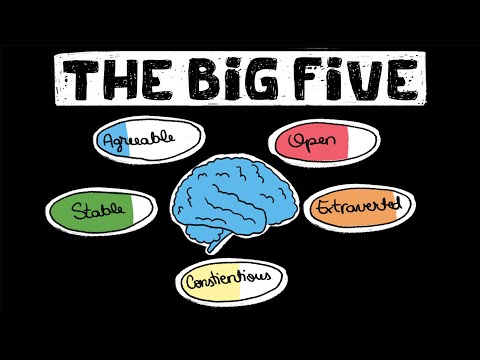
Alright, let’s chat about something pretty cool: the Big Five Personality Test. Ever heard of it?
It’s this super interesting tool that takes a peek into what makes you, well, you! You know how some days you feel like a total introvert, and other days you’re the life of the party? Yeah, this test is all about those vibes.
But it’s not just a fun quiz. It really ties into mental health in ways that might surprise you. How we see ourselves can seriously impact how we feel and act each day.
So come on—let’s break down what these “Big Five” traits are and why they matter to your mental well-being. Trust me; it’ll be worth your time!
Exploring the Role of Agreeableness in the Big Five Personality Traits Across Different Occupational Groups
So, let’s chat about this thing called agreeableness. It’s one of the Big Five Personality Traits—those five dimensions that can help us understand how people tick. Basically, agreeableness centers around how well you get along with others. Think of it as your ability to be friendly, helpful, and compassionate. But it doesn’t stop there; it plays a pretty interesting role across various job fields.
In the workplace, high agreeableness often leads to better teamwork and collaboration. You see, when people are more agreeable, they tend to be more cooperative and less competitive. That can really make a difference in settings like healthcare, where empathy is key. Nurses and doctors with high agreeableness are usually better at connecting with patients and make them feel comfortable during stressful times.
But what about other professions? Let’s look at sales. Salespeople who score high on agreeableness might create stronger relationships with clients. They’re likelier to listen well and be responsive to customer needs, which builds trust. But here’s the catch—too much agreeableness might also lead to being too accommodating or avoiding conflict when making deals.
- Caring Professions: In fields like social work or counseling, high agreeableness is crucial for building rapport with clients.
- Leadership Roles: Leaders who are agreeable can motivate their teams but may struggle with making tough decisions.
- Creative Fields: Artists often benefit from some level of agreeableness for collaboration but may need independence too.
The thing is, not every job requires someone who puts harmony above all else. In tech roles, for example, sometimes it’s valuable to have a bit more of that critical edge—people need to challenge ideas for innovation! So low agreeableness can actually serve its purpose in those settings.
This brings us back to mental health impacts. When someone has low levels of agreeableness, they might experience issues like loneliness or trouble forming connections with coworkers. On the flip side, overly agreeable folks might end up feeling burnt out if they’re always trying to please everyone around them.
You know when you’ve got that friend who just can’t say no? They might score really high on the agreeableness scale! Balancing this trait can be key in maintaining good mental health while still being supportive and kind toward others.
The bottom line? Agreeableness isn’t a one-size-fits-all trait across jobs or industries. Understanding where you fit on that spectrum can help you navigate your career choices better—and let’s face it; it makes work life a whole lot smoother!
Understanding the Connection Between Personality and Mental Health: A Comprehensive PDF Guide
Understanding how your personality can impact mental health is pretty crucial, so let’s break it down. The connection between personality traits and mental wellness is something researchers have been unpacking for a long time.
First off, the **Big Five Personality Traits** are like the major categories that describe human personality. These are:
- Openness: This relates to how curious and open-minded you are. People who score high here often enjoy new experiences.
- Conscientiousness: Think about organization and reliability. High scorers tend to stick to plans and deadlines better.
- Extraversion: If you’re social, outgoing, and energized by being around others, you’re likely high in this trait.
- Agreeableness: This one’s all about being compassionate and cooperative versus competitive or even confrontational.
- Neuroticism: It measures emotional stability; higher levels often mean you might experience anxiety or mood swings more frequently.
Getting a grip on your Big Five traits can help understand certain aspects of your mental health. For example, if you’re high in **neuroticism**, that could mean you experience more anxiety or stress. You know how sometimes, when life gets tough, some people react by shutting down while others throw themselves into socializing? That’s the different sides of these traits at play.
Now let’s talk about **mental health outcomes** linked to these traits. Research has shown that:
- People with high **conscientiousness** tend to have better outcomes in life overall – like lower rates of depression or anxiety.
- On the flip side, high **neuroticism** can increase vulnerability to mood disorders.
- If you’re highly **open**, it might lead to a greater likelihood of experiencing certain mental health issues but also provide ways to cope through creativity.
Here’s something real: think about a friend who tends to be really organized and thoughtful—likely they handle stress better than someone who’s often anxious or irritable. That’s how these traits can shape your experiences!
Therapists sometimes use knowledge of these big five traits during sessions. It helps tailor therapeutic approaches based on how someone usually processes thoughts and emotions.
In short, understanding where you fit on this Big Five spectrum can be an eye-opener for improving your mental wellness! Just keep in mind that personality is only part of the puzzle; things like environment, relationships, and even genetics play roles too. So yeah, knowing your traits gives insight into why you feel what you feel!
Ultimate Guide to Scoring the Big Five Personality Test: Download Your Free PDF Manual
The Big Five Personality Test is a popular tool in psychology that helps you understand your personality traits better. It’s like holding up a mirror to yourself, allowing you to see how you think, feel, and behave. This test evaluates five main dimensions of personality:
- Openness to Experience: This trait reflects your creativity and willingness to try new things. If you’re someone who loves exploring new ideas or traveling to unexpected places, you might score high here.
- Conscientiousness: This one’s all about being organized and responsible. Think of it as how much you plan ahead versus flying by the seat of your pants.
- Extraversion: Are you the life of the party or the quiet observer? Extraversion measures how outgoing or reserved you are.
- Agreeableness: This dimension looks at how friendly and compassionate you are towards others. High scorers tend to be more trusting and cooperative, while low scorers might be more competitive.
- Neuroticism: This trait deals with emotional stability. If you’re prone to stress or anxiety, you’ll likely score higher on neuroticism.
You may wonder why this even matters. Well, through understanding your personality traits, it can offer insights into various aspects of life—like relationships, work environments, or even personal growth.
Let’s say you’re feeling overwhelmed at work because everything seems chaotic. A high score in **conscientiousness** might suggest that a structured environment would help reduce stress for you. On the flip side, if you’re very low in **neuroticism**, you’re probably pretty chill when things go sideways.
The Big Five is not just a fun quiz; it’s used in various settings—like workplaces for hiring practices and therapy sessions for self-reflection. Many therapists incorporate insights from this test into their treatment plans because knowing these traits can guide talking points during sessions.
Just keep in mind that while this test can provide valuable information about yourself, it doesn’t define who you are completely. Life experience and changing situations will influence your traits over time.
If you’re looking at taking this test (and maybe downloading that free PDF manual), make sure you’re in a relaxed state of mind. It’ll help ensure honest answers—so take your time! Afterward, reflect on your results and consider discussing them with a trusted friend or therapist for deeper insight.
Understanding these traits can really pave the way for personal development and better mental health strategies. So if you’ve never tried it out before, go ahead! You might just discover something surprising about yourself.
You know, the Big Five Personality Test is one of those things that can really open your eyes to how people think and feel. It kinda sorts you into categories based on five traits: openness, conscientiousness, extraversion, agreeableness, and neuroticism. I mean, who wouldn’t be curious to see where they fall on that scale?
I remember a friend of mine took the test one day just out of boredom. She was always super organized and detail-oriented—like, she would color-code her planner! When her results came back showing high conscientiousness and low neuroticism, it just made sense. It was like a light bulb moment for her. She felt validated and understood! That’s the thing about these tests; they can help you make sense of your quirks or habits.
Now, looking at it from a mental health perspective, these traits can really influence how we cope with stress or relate to others. For instance, if someone scores high in neuroticism, they might find themselves more anxious or prone to mood swings. It’s not like you’re doomed because of it; it’s more like you can recognize patterns in your behavior and work from there.
Personally, I’ve noticed that being aware of my own traits helped me during tough times. Like when I learned I’m pretty agreeable but also slightly introverted—surprise! This awareness let me approach social situations a bit differently. Instead of overcommitting myself because I didn’t want to disappoint anyone (yeah, it happens), I started setting boundaries.
The Big Five doesn’t define you or put you in a box; rather, it gives you insight into your tendencies and helps with self-reflection. And when you’re more aware of yourself, it’s easier to seek help or support when needed.
So yeah, whether you’re thinking about therapy or just trying to navigate life’s ups and downs with a bit more understanding, the Big Five can be a pretty handy tool in your mental health toolkit.