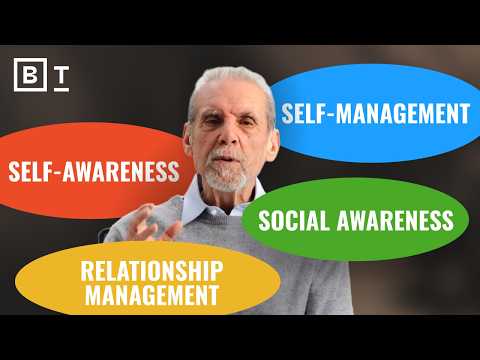
Okay, so let’s chat about something super important—your feelings. Seriously, emotional intelligence is like this hidden gem that can totally change the game for your mental wellbeing. You know how sometimes you just feel off? Like there’s a cloud over your head?
Well, that’s where emotional intelligence comes in. It’s all about understanding yourself and others better. Imagine being able to read a room or know why you’re feeling a certain way. Sounds cool, right?
There’s this thing called an emotional intelligence appraisal. It’s basically a fancy way of figuring out how well you get your own emotions—and those of people around you. And trust me, it can help you feel more in control and less stressed out in everyday life.
So let’s dig into how this could boost your mental health and help you live your best life. Sound good?
Understanding Emotional Intelligence Appraisal: A Guide to Assessing Your Emotional Skills
Emotional intelligence (EI) is somewhat of a buzzword these days, but what does it really mean? Well, it’s about being aware of your own emotions and those of others. Think of it as your emotional radar, helping you navigate life’s ups and downs with a bit more grace.
When we talk about **emotional intelligence appraisal**, we’re focusing on assessing how well you recognize and manage your feelings, as well as understanding those of people around you. This kind of self-assessment can totally enhance your mental wellbeing. So how do you go about it?
1. Self-Awareness
This is the foundation of emotional intelligence. It means knowing what you feel at any moment and why. Are you feeling anxious because of work? Or maybe joy from spending time with friends? Being in tune with your emotions can help you react better in different situations.
2. Self-Regulation
So, what happens when those emotions hit hard? Self-regulation is about managing those feelings instead of letting them control you. Let’s say you’re angry after a tough day; instead of snapping at someone, maybe you take a deep breath or go for a walk to cool down. That’s self-regulation in action!
3. Motivation
This part is all about drive—like the fire in your belly to achieve goals and be the best version of yourself. Emotionally intelligent people often stay motivated despite setbacks because they stay focused on their long-term vision.
4. Empathy
Ah, empathy! It’s that powerful ability to step into someone else’s shoes and feel what they’re feeling. Imagine a friend is going through a hard breakup; showing empathy means not just saying «I’m sorry,» but really listening and understanding their pain.
5. Social Skills
These skills help us build connections and communicate effectively with others. Having strong social skills allows you to resolve conflicts, inspire others, or collaborate smoothly on projects—very important stuff in both personal life and work!
Now, how do we actually assess these skills? There are various tools out there for this purpose—like self-report questionnaires or 360-degree feedback that gather input from people around you.
Getting feedback from trusted friends or colleagues can be super enlightening! You might think you’re great at holding back anger, but someone close might see things differently.
And let’s remember: understanding your emotional intelligence isn’t just an academic exercise; it can genuinely lead to better mental health outcomes like reduced anxiety or improved relationships.
As an example, consider Jane—a mid-level manager who struggled with her team dynamics due to her inability to manage stress effectively. After taking an emotional intelligence appraisal test, she realized she needed to work on her empathy skills. With practice—listening actively during meetings and checking in on her team’s feelings—she noticed improved morale at work.
So there it is! Emotional intelligence appraisal isn’t just technical jargon; it’s really about getting to know yourself better so that life feels a bit easier—and more fulfilling too!
Exploring the Value of EQ Certification: Is It Worth the Investment for Your Mental Health Journey?
The whole idea of emotional intelligence, or EQ, is super interesting. Basically, it’s about how well you understand your own emotions and the emotions of others. When you think about it, being in touch with your feelings can really impact your mental health and relationships. But what’s this EQ certification thing all about? Is it worth spending time and money on?
First off, EQ certification typically involves training that helps you assess and improve your emotional intelligence skills. You’ll dive into things like self-awareness, empathy, and social skills. Some people swear by it for personal growth.
But here’s the kicker: investing in your emotional intelligence can be beneficial for your mental health journey. For example, let’s say you’re struggling with anxiety or feeling overwhelmed a lot. Through EQ training, you might learn to recognize when those feelings are creeping in—and figure out what triggers them. That awareness can lead to healthier coping strategies.
Another big plus is improved relationships. The better you are at understanding emotions (yours and others’), the more effectively you can communicate. Picture this: if you’re having a disagreement with a friend or partner, instead of letting it spiral out of control, you’d be able to express how you’re feeling without getting defensive or shutting down.
A common question people have is whether all this training really translates into better days ahead. Studies show that folks with higher emotional intelligence tend to manage stress more effectively and bounce back after setbacks faster than those who don’t focus on EQ development.
You might be wondering if there are downsides too. Well, some might find the cost a bit steep or feel overwhelmed by the process itself. And honestly? You won’t magically become an emotion guru overnight just because you have a certification.
In essence, investing in EQ certification could give you tools that enhance your mental wellbeing significantly—especially if you’re willing to put in the effort afterward. Sure, the path may vary from person to person; some may thrive instantly while others take their time navigating their newfound insights.
Ultimately, whether it’s worth it depends on where you are in your journey right now and how much you’re ready to dive into understanding yourself better. It could definitely open up new doors for growth and self-acceptance along the way!
Mastering Emotional Intelligence: A Guide to Writing Effective Performance Reviews
Sure thing! Let’s talk about emotional intelligence (EI) and how you can use it to write effective performance reviews. Seriously, getting this down can make a huge difference in how people feel about their work.
What is Emotional Intelligence?
So, emotional intelligence is basically your ability to understand and manage your own emotions while also being aware of the emotions of others. It’s like having a superpower for navigating social situations! When you master EI, you can communicate better and empathize more effectively.
Why is EI important in Performance Reviews?
You know how performance reviews can sometimes be like pulling teeth? A big part of that is the way we deliver feedback. Here’s where emotional intelligence comes in. With a high EI, you’ll be more sensitive to how your words impact your colleague’s feelings and motivation.
Key Components of Emotional Intelligence
To really nail those reviews, it helps to understand a few components of EI:
- Self-awareness: Recognizing your own emotions—like stress or frustration—when you’re writing.
- Self-regulation: Staying calm and composed when giving feedback; nobody wants a review filled with negativity.
- Empathy: Understanding how your feedback might land on the other person—it’s about their experience too.
- Social skills: Knowing how to communicate effectively, making sure the review feels constructive rather than critical.
The Art of Writing Reviews
When you’re putting together a performance review, think about these essential steps:
- Create a Safe Space: Start by setting a positive tone. Maybe open with something they did well recently. It’s like warming up before a workout!
- Acknowledge Feelings: If someone seems stressed or anxious about their performance evaluation, validate those feelings first. For instance, you could say, “I know these reviews can be tough.”
- Sugarcoat Constructive Criticism: Instead of just saying what needs improvement, try framing it as opportunities for growth. Like saying “We can work on enhancing that skill together” instead of “This part needs serious improvement.”
- Acknowledge Achievements: Don’t forget to highlight successes! Everybody likes to hear they’re doing something right!
An Example Scenarios
Imagine you have an employee named Jamie who missed some deadlines last quarter but also brought in new clients. You could start with: «Jamie, I’ve noticed you’ve been working hard on bringing new clients on board; that’s fantastic!» Then discuss deadlines sensitively: «I know time management has been a bit tricky lately; let’s brainstorm some strategies together.» It combines positive recognition with constructive feedback without diminishing Jamie’s efforts.
In the end, mastering emotional intelligence while writing those reviews isn’t just beneficial for company culture; it boosts individual morale too!
You want people to leave feeling motivated rather than deflated; high Ei truly helps achieve that balance. So remember: empathy and clarity are key ingredients for successful performance reviews.
When you think about emotional intelligence, what comes to mind? It’s one of those buzzwords that gets thrown around a lot, but at its core, it’s really about understanding and managing your feelings and the feelings of others. Honestly, this can make a massive difference in how you deal with life’s ups and downs.
Let’s say you’re having a rough day. You know the kind where nothing seems to go right? Maybe it started with spilling coffee on your favorite shirt and just spiraled from there. In moments like this, having a good grasp of emotional intelligence can really help. You might recognize that you’re feeling frustrated and take a step back instead of lashing out at someone close to you. That little pause—an awareness of your emotions—can change everything.
Here’s the thing: when you work on your emotional intelligence, it isn’t just about handling your own feelings better. It also means tuning into others’ emotions too. Think about that one time when a friend was upset over something seemingly small but you realized it really mattered to them. By being attuned to their feelings, you could offer support instead of brushing it off as trivial. That connection is super important for building strong relationships.
Now, some folks might wonder how exactly you can improve your emotional intelligence—like there’s an app for that or something! While I’m not saying there’s magic software that’ll fix everything (wouldn’t that be nice?), becoming more emotionally aware often involves being mindful. Like literally taking a moment to think before reacting or asking yourself why something bothers you so much.
Practicing empathy also plays into this; it’s not always easy, but trying to see things from other people’s perspectives can have such positive effects on your mental wellbeing. People feel understood when you do this. And who doesn’t want that?
So yeah, emotional intelligence is definitely worth the effort if you’re looking for ways to enhance your mental wellbeing. It might sound a bit fluffy or complicated at first glance, but honestly? It boils down to more self-awareness and better connections with others—and who wouldn’t want that? In the end, it helps create not just happier individuals but stronger communities too!