You know how sometimes you just feel a vibe in a room? Like, you catch someone’s mood without them even saying a word? That’s all about emotional intelligence, my friend.
But what if there was a way to actually measure that? Enter the Global Emotional Intelligence Test, which sounds all fancy, but it’s basically a tool to figure out how well you connect with your own feelings and those of others.
And here’s the kicker: it plays a pretty big role in mental health. Seriously! Understanding our emotions can change everything—how we cope, how we relate to others, and even how we handle stress.
So let’s chat about what this test is really about and why it might matter more than you think. You with me?
Exploring the Connection Between Emotional Intelligence and Mental Health: Key Insights
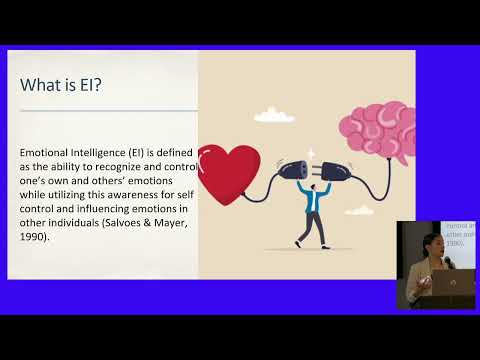
Emotional intelligence, or EI, is basically about how well you understand your own emotions and the emotions of others. It’s like having a superpower for navigating human interactions. And this skill can have a big impact on our mental health. Let’s break it down!
What is Emotional Intelligence?
At its core, emotional intelligence involves recognizing, understanding, and managing emotions—both yours and those of the people around you. You know when you feel anxious before a big meeting? That’s your emotional radar picking up on something. Being aware of that feeling can help you manage it better.
The Connection to Mental Health
Research suggests that higher emotional intelligence can lead to better mental health outcomes. If you’re able to recognize your feelings, you’re more likely to address them before they spiral out of control. Think about it: if you know you’re feeling overwhelmed, you’re more likely to take a break or reach out for support.
- Stress Management: Understanding your emotional triggers can help you cope with stress.
- Relationship Building: People with high EI tend to build stronger personal and professional relationships.
- Self-Regulation: The ability to manage emotions leads to fewer impulsive decisions.
- Empathy: A greater understanding of others’ feelings fosters compassion and connection.
The Global Emotional Intelligence Test
Now, there are some tools out there like the Global Emotional Intelligence Test that aim to measure these skills. It assesses how well someone recognizes their own feelings as well as those of others.
So here’s where it gets interesting: Those who score higher on this test often report lower levels of anxiety and depression. This makes sense because if you’re in tune with your emotions, you’re not only better at dealing with them but also at seeking help when needed.
Remember Sarah? She went through a rough patch after losing her job. Instead of bottling up her sadness or anger, she recognized those feelings thanks to her high emotional intelligence. She talked it through with friends and even sought therapy after realizing she felt stuck—a classic example of using EI for better mental health.
Cultivating Emotional Intelligence
You might be wondering how one actually improves their emotional intelligence. Well, practice makes perfect! Here are some ways people work on this skill:
- Self-Reflection:Taking time each day to think about your feelings can create awareness.
- Meditation:This helps in focusing on the present moment and tuning into your inner self.
- Active Listening:Paying close attention when someone talks helps improve empathy.
The bottom line is emotional intelligence isn’t just some fancy term; it really matters when it comes to mental health. Improving EI could be a game-changer for managing stress and building relationships that lift us up instead of dragging us down. So yeah, next time you feel something stirring inside—take a moment to sit with it!
Confronting Your Feelings: A Guide to Understanding and Managing Emotional Responses
Confronting your feelings can feel like wandering through a maze, right? You know, you’re not alone in this. Many folks grapple with understanding their emotions and managing how they react to them. So, let’s break it down a bit.
First off, what are feelings anyway? Well, feelings are those little nudges or shifts inside you that tell you something’s up. They can be influenced by experiences, memories, or even other people. And sometimes they pop up out of nowhere! That’s where **emotional intelligence** comes in. It’s like a superpower that helps you recognize and deal with those feelings.
Now, let’s chat about the **Global Emotional Intelligence Test**. This test measures your emotional intelligence (EI) by assessing how well you perceive and manage emotions—both yours and others’. Basically, it helps paint a clearer picture of your emotional landscape. Plus, understanding your EI can totally boost your mental health.
Here are a few things the test typically looks at:
- Self-Awareness: Do you understand why you feel the way you do?
- Self-Regulation: Can you control those intense emotions instead of letting them run wild?
- Motivation: How do your feelings drive your actions?
- Empathy: Can you sense what others are feeling?
- Social Skills: How well do you interact with others emotionally?
So picture this: You’re feeling super anxious before a big presentation at work. Instead of letting panic take over, maybe take a step back and tap into that self-awareness piece. Ask yourself: “What exactly am I anxious about?” It could be fear of judgment or maybe just wanting to do well—totally normal!
Once you’ve named that feeling, it’s time for some self-regulation tactics. Breathing exercises might help calm that racing heart—or even just taking a moment to collect your thoughts before diving into the presentation could work wonders.
But here’s the kicker: confronting feelings isn’t always easy peasy. Sometimes it means facing emotions we’d rather avoid—like anger or sadness. Remember when that friend let you down? Feeling hurt is valid! Acknowledging it can pave the way for better communication and closure later on.
And let’s not forget empathy! When you’re in tune with your own feelings, you’re way better at picking up on what others are going through too. This can totally strengthen relationships because suddenly you’re no longer just reacting but responding thoughtfully.
Managing emotional responses is definitely like exercising a muscle—you’ve gotta work at it regularly to get strong! Journaling might help; writing down what you’re feeling can clarify things big time. Or talking it out with someone who gets it can really lighten that emotional load.
Look, confronting feelings isn’t all rainbows and butterflies; it takes guts! But understanding emotions through tools like the Global Emotional Intelligence Test is such an empowering step forward in your mental health journey.
So keep pushing through—your feelings matter and learning to manage them sets a strong foundation for healthier relationships with yourself and others too!
Exploring the Global Emotional Intelligence Test: A Key Resource for Enhancing Mental Health
Emotional intelligence, or EQ, is like your ability to read the room. It helps you understand your feelings and those of others. That’s key, especially when you’re navigating tough situations—like a breakup or work stress. So, what’s this Global Emotional Intelligence Test all about? Well, it’s a tool designed to help measure and improve these skills.
The Global Emotional Intelligence Test provides a way to assess your emotional strengths and weaknesses. You get a score based on how well you can identify, understand, and manage your own emotions as well as those of others. This info can be super valuable in both personal growth and mental health improvement.
Why does this matter? When you boost your emotional intelligence:
- Better relationships: You connect more deeply with others.
- Improved mental health: You might feel less anxious or depressed because you can handle emotions better.
- Coping skills: You learn healthier ways to deal with stress.
Think about it like this: Imagine trying to navigate life without knowing how you truly feel or how others around you are feeling. It’s tough! Emotional intelligence acts like a GPS for your emotional journey.
Now, it’s crucial to know that taking the test isn’t just about getting results. It’s about using those results to make real changes in your life. After taking the test, you can reflect on what areas need work. Maybe you’re awesome at recognizing when someone is upset but struggle with expressing your own feelings. That insight alone can lead to some serious self-improvement.
And here’s something interesting: studies have shown that people with high emotional intelligence tend to have better job performance and even greater overall life satisfaction. Seriously! They’re often more resilient during challenging times because they understand their emotions and can communicate them effectively.
However, there’s an important point here—improving emotional intelligence is not just a quick fix with one test score; it’s an ongoing process. Like working out for physical fitness, it takes time and practice.
So if you’re looking for ways to enhance your mental health, consider exploring the Global Emotional Intelligence Test. It’s more than just numbers; it’s a step toward understanding yourself better and connecting deeply with those around you. And in the world we live in today—with its ups and downs—having strong emotional skills is definitely something worth working on!
So, let’s chat about emotional intelligence for a second, will ya? You know how sometimes we just *get* a person without them saying much? Or maybe you’ve had those moments when you felt completely overwhelmed and didn’t know why? That’s where emotional intelligence, or EQ as some folks call it, really steps in.
Now, there’s this thing called the Global Emotional Intelligence Test. It’s one of those assessments that aim to measure your emotional smarts—the ability to recognize emotions in yourself and others, manage your feelings, and respond to situations more effectively. Pretty cool, right? But what’s even cooler is how this plays into mental health.
When you know your emotions and can understand where they come from, it can be a game-changer. Seriously! Picture someone you know dealing with anxiety or sadness but not quite knowing how to express it. It can be tough for them to deal with everything brewing inside. An EQ test could help shine a light on those feelings—help folks recognize what’s happening under the surface.
Take my friend Jane for instance. She used to struggle with panic attacks because she couldn’t pinpoint the triggers—she just felt this storm of anxiety swirling inside her without context. After a bit of self-reflection—helped by taking an emotional intelligence assessment—she started connecting the dots between her reactions and certain stressors in her life. It was like switching on a light bulb!
With that newfound self-awareness, Jane began discussing her feelings openly with friends and even sought therapy when needed. Suddenly, those panic attacks didn’t control her anymore; she learned coping strategies instead! So empowering, right?
But here’s the thing: while an EQ test can be super helpful in understanding ourselves and improving our relationships, it isn’t some magic pill for mental health issues like depression or PTSD. You still gotta do the work—like engaging in therapy or seeking support—but having that baseline understanding can set you up for success.
In essence, emotional intelligence is more than just measuring feelings; it shapes how we navigate life’s ups and downs. And while tests are great tools for insight, at the end of the day…it all comes down to connection—between yourself and your feelings as well as with others around you. So yeah, keep that in mind next time you’re juggling emotions—it might make all the difference!