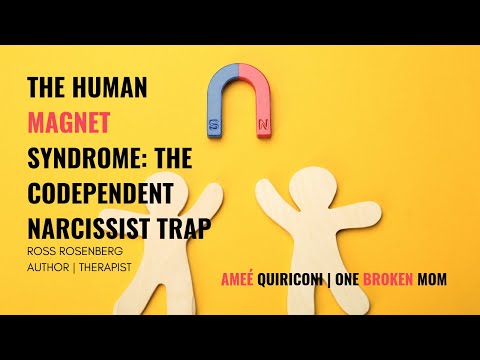
Hey! So, let’s talk about something kinda weird but super relatable—ever feel like you just seem to attract the same type of people? You know, those folks who take and take, leaving you feeling all drained? Yeah, that could be what they call the Human Magnet Syndrome.
And then there’s that lovely mix of codependency with a dash of narcissism. It’s wild how those dynamics work. You think you’re helping someone out, and next thing you know, you’re stuck in this emotional loop that feels impossible to escape.
I mean, it’s like one big game of tug-of-war where your heart is always on the line. Seriously, it can be exhausting. You’ll want to hear about these patterns and how they mess with our heads and hearts. Buckle up; it’s gonna get real!
Understanding the Human Magnet Syndrome: Escaping the Codependent Narcissist Trap
The Human Magnet Syndrome is a pretty intense concept. It’s like, this magnetic pull that some people have towards certain partners, you know? If you’ve ever found yourself repeatedly getting involved with the same kind of person—especially if they tend to be narcissists—this might hit close to home.
People stuck in this cycle often struggle with codependency. Essentially, it’s when you feel you just can’t live without another person. You might neglect your needs just to keep the peace or maintain the relationship. It’s tough because it feels like love, but it can be toxic.
Now, the thing is, those who are more prone to codependency usually have a background of emotional trauma or unhealthy relationships while growing up. Maybe you’ve been in situations where your feelings were dismissed or where love felt more like a transaction than an unconditional bond. These experiences can set up patterns that lead you directly into the arms of someone who mirrors those past dynamics.
On the flip side, narcissists are often charming and charismatic at first. They know how to sweep you off your feet and make you feel special—until they don’t. Once you’re hooked, their selfish tendencies come out, and that initial magic fades into manipulation and control. You may find yourself walking on eggshells just trying to get their attention or approval.
Breaking free from this trap can feel overwhelming but it’s absolutely possible! A solid first step is recognizing that there’s a pattern going on here—a pattern where your self-worth gets tied up in someone else’s behavior and feelings. Ask yourself some tough questions: “Am I losing myself in this relationship?” or “Do I feel anxious when I don’t get validation?” These reflections can help shine a light on what’s happening beneath the surface.
Therapy can play a huge role too! Working with someone who gets this dynamic can help you untangle those confusing emotions and start prioritizing yourself again. As hard as it might seem, embracing independence takes practice but seriously pays off in the long run.
Also, consider building healthier boundaries. This means learning how to say no without guilt and recognizing when someone is taking more than they’re giving in a relationship. It might feel awkward at first—like trying on clothes that don’t quite fit—but eventually, you’ll find what feels right for you.
Lastly, connect with others who understand what you’re going through. Support groups or online forums can offer incredible insight and camaraderie as you navigate these challenges together.
Remember: breaking away from these toxic cycles isn’t easy but there’s strength in learning about them! You’re not alone, and getting out of the codependent-narcissist trap is totally doable with effort and support along the way.
Understanding Human Magnet Syndrome: Escaping the Codependent Narcissist Trap
Understanding Human Magnet Syndrome is, like, super important for anyone who feels stuck in a cycle of attracting the same type of unhealthy relationships over and over. It’s basically about how some people unintentionally draw in those who are narcissistic or toxic, which often leads to a rollercoaster of emotions and pain. Let’s break it down a bit.
What is Human Magnet Syndrome? Well, it’s this emotional pattern where certain people—often codependents—seem to magnetically attract narcissists. It’s like being caught in a trap you didn’t even know existed. You connect with someone who seems charming at first, but then you find yourself constantly seeking their approval while feeling drained and unfulfilled.
Imagine you’re at a party. You meet someone who’s captivating and fun but also super self-absorbed. At first, their energy draws you in. You’re laughing, sharing stories—it feels special! But over time? You realize they hardly ask about you or your life, right? And that can hit hard.
Why do these patterns happen? It often stems from childhood experiences where love was conditional or scarce. Maybe you grew up in an environment where your feelings weren’t validated or where strong emotions were dismissed. As a result, you might have learned to prioritize others’ needs above your own, setting up that perfect setup for a codependent dynamic.
Here are some things that come into play:
- Low self-esteem: If you struggle to see your own worth, it’s easy to get hooked on someone who seems confident but is actually just using you.
- The need for validation: Nurturing types often crave love and approval; so they put up with unhealthy behaviors just to feel wanted.
- Fear of abandonment: If you’re terrified of being alone or rejected, you might stick around longer than necessary in toxic relationships.
Now about the Narcissist. These folks can be super charming at first—they know how to sweep someone off their feet! They tend to lack empathy and often expect constant admiration while leaving their partners feeling empty and confused.
To escape this cycle? It’s crucial to recognize these patterns early on. Acknowledge your feelings and confront the habits that pull you into these relationships. Talk about it with friends or consider therapy if that’s possible for you; having an objective perspective helps loads!
Also remember: setting boundaries is key! It isn’t easy—you’ll feel guilty at times—but it’s necessary for protecting your mental health.
You know what really helps? Building self-awareness is huge! Reflect on past relationships and pinpoint what drew you back every time even when things turned sour. That way you start seeing red flags sooner rather than later.
Ultimately, breaking free from the Human Magnet Syndrome means understanding your own needs and ensuring they’re met before diving into new connections—because healthy love should lift you up instead of dragging you down!
Breaking Free from the Human Magnet Syndrome: Escaping the Codependent Narcissist Trap
So, let’s talk about **Human Magnet Syndrome**. It’s this interesting dynamic where people who are, like, super nurturing and empathetic often find themselves drawn to individuals who are narcissistic or emotionally unavailable. It’s a bit of a trap, really. You’re stuck in this cycle that leaves you feeling drained while the other person takes all of your energy. Sound familiar?
When you think about it, codependency can feel like being stuck in a sticky web where you just can’t escape. The thing is, when you’re wired to care for others, you might end up overlooking the red flags waving at you from your partner. And narcissists just have that magnetic charm, which makes it easy to fall for them.
Here’s how breaking free from this pattern mostly works:
Recognizing the Patterns
First off, awareness is key! You need to grapple with why you’re drawn to these types of individuals in the first place. It’s often rooted in childhood experiences or past relationships where love was tied to caretaking. For example, maybe you had a parent who needed constant attention or validation and you learned to become the caretaker.
Setting Boundaries
Once you’ve recognized these patterns, setting boundaries becomes super important. Yeah, it’s tough! But learning to say «no» without feeling guilty is crucial. Imagine standing firm when someone tries to manipulate your emotions—it feels freeing once you get the hang of it!
Building Self-Esteem
Now let’s talk about self-esteem because it plays a huge role here. When we lack self-worth, we’re more susceptible to attracting toxic relationships. Focusing on positive affirmations and activities that make you happy can help rebuild that sense of self.
Cultivating Independence
You also need to learn how to be independent emotionally and mentally. Spend time doing things alone that bring you joy—like hiking or painting—without needing another person there for validation.
You know what? It’s also about emotional regulation—understanding your feelings rather than letting them control you. Finding healthy outlets for those emotions—working out, journaling—can help keep your emotional scale balanced.
Sourcing Support
Talk about what you’re going through with friends or support groups if possible! There are plenty of folks out there who have been in similar situations and can offer insight or just lend an ear when things get tough.
Finally—and this part is huge—seek therapy if possible! A skilled therapist can provide guidance tailored specifically for breaking those cycles and re-establishing healthy relationships.
When I think back on my friend Sarah’s story, it really hits home just how liberating breaking free can be. She was trapped in a relationship with a narcissist for years until one day she just snapped out of it after hearing some hard truths from her friends at dinner one night. The change didn’t happen overnight; she had her struggles and setbacks but eventually found her footing again.
Basically, breaking free from Human Magnet Syndrome isn’t easy; it’s like trying to untangle yourself from a giant ball of yarn that’s been sitting under your bed forever! But with awareness and intention—and maybe a bit of help—it is possible to escape the codependent narcissist trap and start creating healthier connections moving forward.
You know, relationships can really get messy sometimes. Take the whole concept of the Human Magnet Syndrome—it’s like a magnetic pull that draws certain people toward each other, and it often leads to some serious emotional chaos. I mean, think about it: you’ve got people who are naturally nurturing and empathetic getting sucked into relationships with narcissists. It’s not just a dance; it’s a trap.
Let me tell you about my friend Sarah. She’s always been the caretaker of our group. If someone has a bad day, she’s right there with ice cream or a listening ear. But then she met Mark. He seemed charming at first, but as they got closer, I noticed something off. He had this way of making everything about him. It was like he was this big black hole absorbing all of her energy and affection. And guess what? Sarah became even more invested while Mark just took more and more.
So here we go—why does this happen? Well, Human Magnet Syndrome suggests that codependents are drawn to narcissists because they fulfill each other’s needs or fill in gaps left by past experiences. It’s kind of like two puzzle pieces that fit perfectly together but one piece is the usual bright sky, while the other is this dark shadow creeping in from the edges.
Codependent people often seek approval and validation through caring for others because it gives them purpose—a little boost for their self-esteem. On the flip side, narcissists thrive on admiration and attention so they look for those who will give them that without expecting much in return. This dynamic builds an imbalance where one person drains energy while the other gets fulfilled by taking care— you follow me?
But there’s hope! If you’re stuck in this cycle, recognizing it is step one. It might feel daunting at first to realize you’re putting your life on hold for someone who doesn’t return that love equally but understanding the pattern opens doors to change things up! You can learn to set boundaries and prioritize yourself without feeling guilty for taking up space (which seriously matters).
Sarah started therapy after we had a heart-to-heart one night over wine and tears; that light bulb moment changed everything for her. Now she’s figuring out how to break free from this cycle—slowly rebuilding her sense of self outside of relationships.
Navigating these kinds of dynamics is tough, but awareness can be your best ally here! So if you ever find yourself caught in these emotional whirlpools—take heart—you’re not alone, and there’s always room for growth!