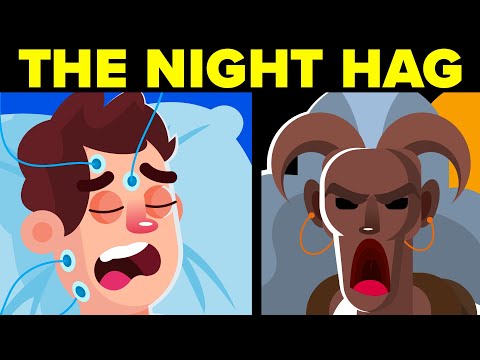
So, let’s talk about something super creepy yet fascinating—Old Hag Syndrome. You know, that feeling when you wake up and can’t move? Like someone’s sitting on your chest? Yikes!
It sounds like something straight outta a horror movie, but it’s a real experience for some folks. And guess what? It can really mess with your sleep quality.
Imagine being stuck between dreaming and waking, all while feeling this heavy pressure. It’s like a nightmare you can’t shake off. Seriously, it’s no fun at all!
So why does this happen, and how does it tie into our sleep habits? Let’s dig into the psychological effects of Old Hag Syndrome and see why it matters for getting those zzz’s we all desperately need!
Understanding the Old Hag Sleep Disorder: Symptoms, Causes, and Treatments
It’s a little spooky when you hear about something like the Old Hag Sleep Disorder, right? Imagine waking up in the middle of the night, completely unable to move. You can’t scream or shout, and there’s this heavy weight on your chest. Sounds terrifying? That’s basically what folks with Old Hag Syndrome experience.
So, what exactly is this syndrome? It’s officially called sleep paralysis, and it can happen during transitions between wakefulness and sleep. Picture this: your mind wakes up, but your body is still “asleep.” You can’t move or talk for a few seconds to even a couple of minutes. It usually happens when you’re sleeping on your back.
Now, what causes this strange phenomenon? Well, there are several factors. Some research suggests that sleep deprivation, irregular sleep schedules, and stress can trigger episodes. So if you’ve been pulling all-nighters or dealing with a lot of pressure at work or school, keep an eye out!
But let’s not forget about the psychological effects of this syndrome! People might not just feel scared—they could develop anxiety about going to sleep altogether. Can you imagine that? The fear of facing another episode makes sleep feel like a nightmare in itself. Some folks may even start avoiding sleep altogether because they dread these occurrences.
The symptoms are pretty awful too. Besides the inability to move or scream, people often see or sense a dark figure nearby—creepy, right? This can lead to feelings of dread and panic during those moments when they can’t move or talk.
When it comes to treatment, addressing the underlying causes is key. If stress is contributing to those scary night episodes, finding ways to relax could help a lot. Think about practices like meditation or yoga before bedtime; they might help calm your mind down.
Also important is making sure you’re getting enough quality sleep overall. Establishing a regular sleep schedule could be super beneficial too—so maybe try hitting the hay at the same time every night!
And if things get really tough? Talking it out with a therapist who understands sleep issues can also be helpful. They might suggest cognitive-behavioral therapy (CBT) focused on managing anxiety related to sleeping.
In short, while Old Hag Syndrome sounds eerie and unsettling, understanding it better could help ease those nighttime fears! Just remember: if you’re having frequent episodes or feeling anxious about sleeping, reaching out for professional help isn’t just a good idea—it’s essential!
Effective Tips to Overcome Sleep Paralysis and Banish Nighttime Fear
Sleep paralysis can be like, super freaky. You wake up, unable to move, feeling this heavy weight on your chest. It’s as though something is in the room with you—sometimes people even describe it as an «old hag» sitting on them. This is what we call **Old Hag Syndrome**, and it can seriously mess with your sleep and mental well-being.
So, here’s the deal: it’s typically caused by disrupted REM sleep. That’s when our brains are super active but our bodies are still. If you’ve ever pulled an all-nighter or had irregular sleep patterns, you might be more likely to experience this.
Now, if you’re looking to tackle this annoying issue and bring some peace back into your nights, there are a few things you can try:
- Get a consistent sleep schedule: Your body loves routine! Try to go to bed and wake up at the same time every day. Seriously, even on weekends. It helps regulate your body’s internal clock.
- Create a restful environment: Make sure your bedroom is dark and cool. Maybe throw in some comfy pillows or sheets that make you feel relaxed. You want a space that screams chill.
- Avoid stimulants: Something like caffeine or nicotine too close to bedtime can mess with your ability to relax and get into a deep sleep.
- Limit screen time: Yeah, I get it; scrolling through Instagram is hard to resist! But blue light from screens can mess with melatonin production. Try switching off devices at least an hour before bed.
- Practice relaxation techniques: Think deep breathing or meditation before hitting the hay. These can help calm that racing mind of yours and prepare you for restful sleep.
- If it happens again: When you find yourself in that scary moment again, remind yourself (like a little mantra), “This will pass.” Sometimes just knowing it’s temporary helps lessen the fear.
And let me tell ya; there was this one time when I was battling my own bout of sleep paralysis. It felt like I was trapped under an invisible weight while shadows danced around my room. Terrifying! But after some trial and error—including those tips above—I learned how important it was to create a calm environment before bedtime.
Remember though: if these tricks don’t work for you or if sleep paralysis keeps coming back with its creepy friends (like anxiety or nightmares), maybe chatting with a mental health professional could shed some light on what’s going on in your mind.
So yeah, take these steps seriously! You deserve peaceful nights without feeling like you’re stuck in some horror movie plot—it’s all about reclaiming your rest and freedom from nighttime fears!
Exploring the Impact of Sleep Paralysis on Overall Sleep Quality
Sleep paralysis is one of those things that can freak you out, right? You know, when you wake up but can’t move? It often feels like an elephant is sitting on your chest. Many people also see or hear things that aren’t there, which totally adds to the terror. This experience, sometimes called “Old Hag Syndrome,” not only leaves you feeling shaken but can also impact your overall sleep quality in some pretty serious ways.
The thing is, sleep paralysis usually happens during transitions between wakefulness and sleep. It’s like your brain wakes up while your body is still snoozing. So if this happens a lot, it can lead to serious sleep disruptions. When you’re scared and unable to move, it makes it really hard to relax and slip back into a restful state.
Some key effects of sleep paralysis on overall sleep quality include:
Now think about this: imagine having a great day but feeling exhausted because each night turns into a battle with these creepy episodes. It’s draining! You end up dragging yourself around like a zombie instead of having the energy to enjoy life.
So there’s this emotional side too. The frustration that comes from juggling between wanting good rest but being terrified of going under only adds pressure on top of everything else. It’s tough when something natural like sleep becomes a source of stress.
There’s another interesting angle: some people report heightened creativity or lucid dreaming during episodes! But let’s be real—most folks just want some peaceful z’s without the horror movie vibe.
In terms of coping strategies, it can be helpful for some people to talk about their experiences openly or even seek therapy if it gets super overwhelming. Techniques like good sleep hygiene—stuff like sticking to a schedule and avoiding caffeine before bed—can also help improve overall sleep quality.
So overall, while not everyone who experiences sleep paralysis will face these issues significantly, its psychological effects are real for many folks out there. Understanding this connection could be key for better nights ahead!
Old Hag Syndrome, that’s a term you might not hear every day, but it’s real and can seriously mess with your beauty sleep. It’s when someone wakes up in the middle of the night and feels a weight on their chest, kinda like an invisible force pinning them down. Crazy, right? You’re not just dreaming it; it can be super scary and often leaves people feeling anxious and exhausted.
Imagine lying there, wide awake but unable to move. I remember this one time my buddy told me about his experience. He woke up in the dead of night, feeling completely frozen like he was stuck in some horror flick. And what made it worse? He could see shadows moving around his room—total nightmare material. So when you think about how that affects sleep quality, it’s a huge deal.
You know, the thing is, sleep is so crucial for our mental health. When you’re battling this syndrome regularly, or even just occasionally, your mind starts going into overdrive. You’re laying there worrying: “Is this gonna happen again?” That kind of anxiety can keep you from getting the restful sleep you need.
And it’s not just about feeling tired during the day; it can lead to bigger problems over time. If you’re skimping on quality sleep because you’re constantly afraid of being visited by the Old Hag (not exactly a friendly face), your mood gets affected too. Stress levels rise and suddenly everyday tasks feel monumental—like climbing Mount Everest or something!
It doesn’t help that people often don’t talk about these experiences either. They think they’re weird or alone in this struggle. But honestly? You’re not alone! Many folks are out there having similar experiences but might feel too embarrassed to speak up.
In short, Old Hag Syndrome does more than give you a spooky story to tell; it can have real implications for your sleep quality and overall mental health. So if you’ve ever felt that weight pressing down at 3 AM—know that you’re not losing your mind; there’s science behind that eerie sensation!