Hey there! So, you ever feel like you’re riding an emotional rollercoaster? One minute you’re flying high, and the next, you’re spiraling down. It’s wild, right?
That’s where emotional intelligence comes in. Basically, it’s about understanding your feelings and those of others. Think about it—how many times have you wished you could just read someone’s mind? Or better yet, your own?
Imagine being able to navigate your emotions like a pro. That’s what we’re diving into here. A self-assessment can be a game changer for personal growth. It’s like holding up a mirror to see what’s really going on inside.
So grab a comfy seat and let’s explore this together!
Unlock Your Potential: Free PDF Guide to Emotional Intelligence Self-Assessment for Personal Growth
Emotional intelligence, or EQ for short, is all about how we understand and manage our emotions, as well as how we relate to others. It’s seriously important for personal growth. You might be wondering why this matters? Well, let’s break it down.
EQ has a huge impact on your relationships. If you’re in tune with your feelings, you’re likely better at navigating friendships or work relationships. And here’s a fun fact: people with high EQs usually handle stress better than those who don’t pay much attention to their emotions.
So, what is an emotional intelligence self-assessment? It’s basically a series of questions that helps you figure out where you stand in terms of your emotional smarts. Think of it as a mirror reflecting your emotional skills back at you.
**Why should you consider doing one?**
- It helps identify strengths: Knowing what you’re good at can boost your confidence.
- Spot areas for improvement: Realizing where you might struggle can guide your personal growth journey.
- Improved communication: Understanding yourself helps you communicate better with others.
Doing an emotional intelligence self-assessment can feel like peeking inside your own mind and heart. For instance, let’s say you take the assessment and discover that managing stress isn’t really your thing. That might lead you to explore mindfulness or relaxation techniques to help cope better.
Now, after finding out your EQ level, the next step is using that info for growth. This might mean engaging in activities that challenge you emotionally—like having tough conversations or practicing empathy in everyday situations.
Remember my friend Sarah? She struggled with expressing her feelings and often felt disconnected from others. After taking an EQ assessment, she realized she needed to work on her communication skills. So she started small—like sharing her thoughts during team meetings. Over time, not only did her relationships improve but so did her overall happiness.
Emotional intelligence isn’t just a buzzword; it’s something real and impactful. If you’re looking to grow personally or professionally, taking that self-assessment could be a game changer.
In sum, using an emotional intelligence self-assessment can seriously unlock potential within yourself that maybe you’ve never tapped into before. It’s about understanding who you are emotionally and using that knowledge to foster personal development and deeper connections with others!
Unlocking Personal Growth: A Self-Assessment Guide to Emotional Intelligence
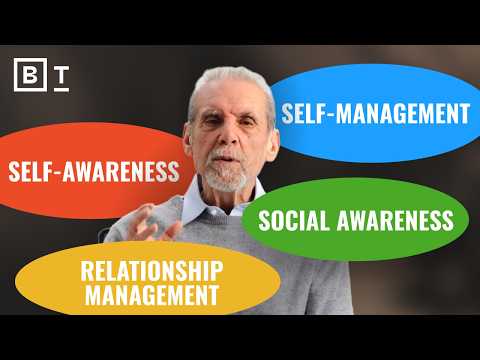
Emotional intelligence, or EI, is all about how well you understand and manage your own emotions, as well as those of others. Think of it like having a superpower in your relationships and daily interactions. So, if you’re curious about boosting your personal growth through emotional intelligence, self-assessment can be a great first step.
To kick things off, here are some key areas to focus on when assessing your emotional intelligence:
- Self-Awareness: This is about being in touch with your feelings. Can you recognize when you’re feeling angry, sad, or even excited? For example, if you have a tough day at work and feel overwhelmed but can identify that feeling clearly, you’re on the right track.
- Self-Regulation: This involves managing your emotions constructively. So let’s say someone cuts you off in traffic. Instead of throwing a fit, you take a deep breath and let it go. That’s self-regulation in action.
- Motivation: Here’s where your drive comes into play. Are you pushed by personal goals or just going through the motions? If you find yourself excited about learning something new or achieving personal goals without needing external rewards all the time—that’s motivation.
- Empathy: This one’s about understanding others’ feelings. If your friend looks upset and you can tell that they need support without them saying anything outright, that’s empathy. It helps in building strong connections.
- Social Skills: It’s not just about making small talk; it’s also about how well you navigate relationships and conflict. Think of it like being able to read the room—knowing the best way to handle a situation so everyone feels heard.
Now that we’ve got these areas laid out, how do you actually assess yourself? One way is journaling about specific situations where you’ve felt strong emotions or interacted with others. Reflect on what happened—what were the triggers? How did you react? You might be surprised at what surface.
For instance, imagine this: You had an argument with a co-worker. If you’re able to write down not just what was said but how it made you feel and why it mattered to you—that’s an act of self-awareness right there.
Once you’ve got these reflections down, look for patterns over time. Are there particular situations where certain emotions keep popping up? Do certain behaviors lead to better outcomes than others? Acknowledging these patterns can totally guide your growth.
But hey, don’t forget that emotional intelligence isn’t set in stone! It’s something that can grow over time with practice and awareness. You might want to engage in activities that build empathy—like volunteering or even just striking up conversations with people from different backgrounds.
Also consider talking things through with someone who gets it—a therapist or a counselor could provide insights as well. They can help shine light on areas where you might be stuck or could improve.
So there you have it! Emotional intelligence plays a key role in personal growth and connecting with others on a deeper level—it starts with self-assessment and reflection but doesn’t stop there! Your journey toward understanding yourself better has only begun, so keep going!
Unlock Your Potential: Free Online Emotional Intelligence Self-Assessment for Personal Growth
Emotional intelligence, or EI as folks like to call it, is super important for personal growth. It’s that special ability we all have to understand our emotions and the emotions of others. You know, like when you can feel the vibe in a room without anyone saying a word? That’s emotional intelligence in action.
So, what’s this self-assessment thing about? Well, it’s a tool that helps you figure out where you stand on the emotional intelligence scale. It usually includes questions about how you handle your feelings and react to others’. Think of it as shining a light on parts of yourself that might be lurking in the shadows.
Now let’s break down why taking an emotional intelligence self-assessment can be a game changer for your personal growth:
1. Self-Awareness: The first step is getting to know yourself better. When you take the assessment, you’ll get insights into how well you recognize your feelings. Ever find yourself getting mad and not knowing why? This can help!
2. Empathy Boost: Understanding others is just as crucial as understanding yourself. The assessment can help you connect better with friends and family by showing you how to tune into their emotions more effectively.
3. Relationship Skills: Good relationships make life richer, right? By evaluating your emotional responses in various situations, you can learn how to communicate better with others. Maybe you’ve had that friend who always seems upset but never says anything? EI helps you understand their cues.
4. Decision-Making: Emotions play a huge role in decisions we make daily. A solid understanding of your feelings can lead to better choices at work or home.
Now, where do you find these online assessments? Well, they’re everywhere! Just type “emotional intelligence self-assessment” into a search engine, and you’ll find plenty of options—some free, some not so free. Though they don’t replace therapy or expert evaluation if you’re looking for deep insights.
Here’s the thing: while maybe it sounds simple enough to answer questions online—it really does take some time and honest reflection. After all, nobody knows you like you do! So give yourself space during this process; think about each question carefully.
Taking this assessment isn’t just checking off a box; it’s part of *your journey* towards becoming more emotionally intelligent! Remember that growth comes from understanding both your strengths and areas where there’s room for improvement.
To wrap it up, dive into that self-assessment when you’re ready—who knows what you’ll discover about yourself? It’s not just about unlocking potential; it’s more like expanding who you are at your core!
So, you know when you’re just sitting around, maybe sipping coffee or scrolling through your phone, and something hits you about how you act or react to stuff? That’s kind of where emotional intelligence comes into play. It’s like this secret ingredient that helps us understand our feelings and the feelings of others. And honestly, taking a step back to assess it can really be a game changer for personal growth.
I remember a time when I was in a messy argument with a friend. Emotions were flying everywhere—anger, frustration, sadness. Instead of stopping to think about where those feelings were coming from, I just let them take over. Afterward, I felt terrible. If only I had taken a moment to check in with myself emotionally! Understanding how I’m feeling—really feeling—might have helped me handle that situation better.
When we talk about self-assessment, it sounds all formal and stuff but it doesn’t have to be! You could jot down your thoughts in a journal or just sit quietly for some reflection time. You might ask yourself questions like: “How did I feel today?” “What triggered those feelings?” or “How did my reactions affect others?” It’s almost like having a heart-to-heart with yourself.
And hey, recognizing your emotional strengths and weaknesses isn’t about beating yourself up over mistakes. It’s more like shining a light on areas where you can grow. Maybe you notice that you’re great at empathizing with people but struggle when it comes to expressing your own emotions. That awareness can lead to real connections and healthier relationships!
Plus, building emotional intelligence can make day-to-day life smoother. You start understanding social cues better and even how your mood affects those around you—seriously powerful stuff! It’s like leveling up in a game; the more skills you pick up, the easier everything becomes.
So next time you’re reflecting on your day or having one of those ‘a-ha!’ moments, give emotional intelligence some thought. It’s all about becoming more aware of yourself and others around you—a beautiful journey toward personal growth that can change not just how you feel but also how you relate to the world!