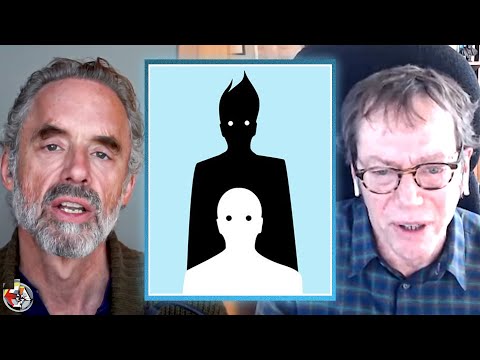
So, here’s the thing. We all have parts of ourselves we don’t like to show. You know, those shadowy bits hiding in the corners?
It could be anger, jealousy, or even fears. They can feel heavy and uncomfortable. But guess what? That stuff is totally normal.
In therapy, you might chat about your “shadow self.” It sounds all mystical and deep, but it’s really just getting to know that side of you better.
And trust me, it can be super freeing! When you start understanding these hidden pieces, well, that’s when real growth starts happening.
Let me share a little story about this friend of mine…
Unlocking the 3 2 1 Shadow Technique: A Powerful Tool for Self-Discovery and Emotional Healing
The 3-2-1 Shadow Technique is like a journey into your own mind, helping you explore parts of yourself that usually stay hidden. It’s based on the idea of the “shadow self,” which is basically your subconscious—those traits or feelings you don’t want to deal with. This technique is especially used in mental health therapy to promote self-discovery and emotional healing.
So, here’s how it works, broken down into three simple steps:
Step 1: Identify
You start by identifying a strong emotion or reaction you’ve had recently. Maybe it was anger during a disagreement or feeling sad over something trivial. Ask yourself, “What triggered this?” Try to describe the feeling in detail. Think about when it first appeared and what was going on at that moment.
Step 2: Connect
Now, connect this emotion to an aspect of your shadow self. This means digging a bit deeper into where these feelings might be coming from. You might think back to childhood experiences or recent events that resonate with what you’re feeling now—like if you felt ignored as a kid, and now that’s making you angry when someone doesn’t pay attention to you.
Step 3: Transform
Finally, transform this awareness into something positive. How can you use this understanding to heal? Maybe it’s about expressing yourself more openly now, so you’re less likely to get frustrated later on. Change your narrative—maybe write about it or talk to someone who can help.
To give a little context, let me share an example. Imagine Sara has always felt anxious in social settings but never understood why. After using the 3-2-1 technique, she identifies her anxiety (Step 1) as rooted in an old fear of not fitting in from middle school (Step 2). Realizing this allows her to see that her current fears are just echoes of the past. In transforming this realization (Step 3), she makes a point to join clubs where she has shared interests and works on being kinder to herself when she feels anxious.
This method really emphasizes taking those hidden parts of ourselves—the ones we’re often embarrassed by—and looking at them head-on instead of shoving them away. By doing so, we not only learn more about ourselves but can also start healing some emotional wounds along the way.
In summary, the 3-2-1 Shadow Technique thrives on self-reflection, connection, and transformation. It’s all about digging deep within yourself and owning those less-than-perfect pieces that make us human—you follow me? That way, we can grow stronger emotionally and become our truest selves over time!
Exploring Carl Jung’s Concept of the Shadow Self: Understanding Inner Darkness and Personal Growth
So, let’s talk about Carl Jung and this thing he called the Shadow Self. Now, Jung was a pretty big deal in psychology. He believed that everyone has this hidden part of themselves—the Shadow. It represents all the stuff we don’t want to see or acknowledge. Think of it as the darker side of your personality.
The Shadow isn’t just about being negative or bad. It includes traits we might see as ugly or undesirable. Maybe you’ve got a temper, or you feel jealous sometimes, or even experience shame. Jung thought that when we try to ignore these feelings, they don’t just disappear; they hang around and can actually influence our behavior in ways we don’t realize.
Here’s where it gets interesting: by recognizing and understanding your Shadow, you can actually grow as a person. It’s like peeling back layers of an onion—you start to see what’s underneath all that glossy exterior.
In therapy, exploring the Shadow can be really powerful. You might find yourself discussing situations that trigger strong emotions or behaviors you don’t quite understand. This helps make those hidden parts of yourself visible, which can lead to some serious breakthroughs in personal growth.
Let’s break down how this works:
- Acknowledgment: The first step is just admitting that the Shadow exists. It’s not easy; recognizing those traits feels uncomfortable.
- Acceptance: Once you acknowledge it, the next step is accepting it as part of who you are. That doesn’t mean you have to act on these feelings; rather you’re just owning them.
- Integration: This is where transformation happens! By integrating these parts into your conscious self, you can use them constructively instead of letting them control you.
Picture this: Imagine someone who feels angry but never expresses it because they think it’s wrong to be mad. Instead, they might unintentionally lash out later over something small—like spilling coffee on themselves and flipping out at their friends for no reason! When they explore their anger—through journaling for example—they start understanding why certain situations trigger that response.
So yeah, navigating your Shadow isn’t all doom and gloom; it’s more about embracing wholeness. When you bring those shadowy bits into light instead of hiding them under a rug, you’re giving yourself permission to be fully human—flaws and all.
In therapy sessions where clients delve into their Shadows, the therapist acts like a guide through this dark terrain. They help individuals uncover the roots of their fears or insecurities while also encouraging personal strength.
Remember though: this exploration should feel safe and supported! Therapy is a place where digging deep into emotional muck should be approached with care so no one gets overwhelmed.
Understanding your Shadow isn’t just some abstract concept—it’s real work that results in genuine shifts within yourself. So if you’re on this path toward better mental health, don’t shy away from facing those shadows; embrace ‘em for richer emotional growth!
Understanding the Shadow Self in Counseling: A Guide to Inner Healing and Self-Awareness
The shadow self, huh? It’s a concept from psychology that can sound a bit mystical but really it’s all about understanding those parts of yourself that you don’t always show to the world. Think about it this way: we all have bits and pieces we keep hidden, like feelings we think are “bad” or traits that just don’t fit with how we want to be seen. But ignoring this part can cause some serious issues in your life.
So, what’s the deal with the shadow self? Basically, it’s all those traits and feelings you push away because they don’t align with your self-image. You know those moments when you snap at someone for no good reason? Or when jealousy pops up uninvited? That’s your shadow speaking. And recognizing this part of yourself is super important for inner healing and self-awareness.
Getting to Know Your Shadow
When you start to explore your shadow self, it can feel like digging through a messy attic. You might find old emotions or thoughts you thought you tossed out ages ago. But here’s the thing: acknowledging these parts of yourself doesn’t mean you have to act on them. It just means you’re being real with who you are.
Acceptance is key here. You’ve gotta embrace every piece of yourself, even the not-so-pretty ones. It might be uncomfortable at first—like trying on a pair of shoes that look great but pinch a little.
This is where counseling comes in handy. A therapist can help guide you through what’s lurking in that metaphorical attic while providing a safe space to explore these feelings without judgment.
Once you’ve recognized these hidden aspects, integrating them into your sense of self can create a more balanced picture of who you are—even if it feels weird at first!
The Role of Counseling
Counseling offers tools and frameworks for navigating these shadowy waters. In therapy, the conversation might go something like this: “Why do I feel so angry sometimes?” Your therapist will help tease apart those layers until you get to some root causes—maybe there was an old wound there or an unmet need.
A powerful experience I remember was when a friend started therapy for her anger issues. She thought she was just “an angry person,” but as she delved deeper with her counselor, she discovered past experiences tied to her upbringing shaped those feelings. Addressing her shadow helped her not only understand herself but also communicate better in relationships.
What most people don’t get is that embracing your shadow isn’t about “fixing” anything; it’s really about nurturing a fuller understanding of who you are and finding peace within!
Final Thoughts
It may sound daunting—confronting things we’d rather ignore—but letting your shadow self see the light can truly foster growth and healing. Remember, everyone has shadows; it doesn’t make you any less worthy or capable; if anything, facing them head-on shows incredible strength!
So next time those hidden emotions bubble up or unwanted traits shine through, try seeing them as an opportunity for growth instead of something negative—it could change everything for you!
You know, when people talk about the «shadow self,» it can sound all mysterious and kinda spooky. Well, it’s really just a term from psychology that refers to those parts of ourselves we sort of hide away—the emotions, thoughts, or traits we don’t want anyone to see. Yeah, we all have a shadow self. It’s that inner critic that tells you you’re not good enough or those secret fears that sneak up on you when you least expect it.
Let’s say you’re sitting in therapy. You might be sharing how stressed you’ve been lately about work or relationships. Then out of nowhere, your therapist nudges you to think about what’s hiding beneath the surface. That can feel uncomfortable—like peeling back layers of an onion and crying a bit. But here’s the thing: facing those hidden parts can actually be pretty freeing.
I remember this one time I was in therapy, wrestling with feelings about my past—old regrets and mistakes that felt heavy in my chest. My therapist asked me some tough questions that made me squirm a little. But through that dialogue, I realized how much I’d been carrying around without even realizing it! A lot of our frustrations come from the stuff we’re afraid to acknowledge.
Navigating your shadow self isn’t just about facing anger or sadness; it can also mean re-claiming parts of yourself you might’ve lost along the way—like creativity or joy. When you lean into those darker feelings instead of running away from them, they lose their power over you.
Sometimes it feels like you’re in the dark with this journey, but trust me; there’s light at the end of that tunnel! As tough as it gets, embracing these neglected pieces can lead to real growth and understanding. You start feeling more whole because you’re no longer ignoring parts of yourself—they’re starting to become allies instead of foes.
So yeah, while navigating your shadow self might feel daunting at first—like wandering into a dark room—you’re actually discovering more about who you are at your core. And honestly? That’s an exciting place to be!