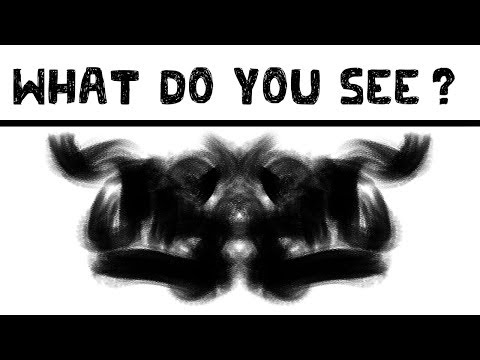
Hey there! So, let’s chat about something kind of cool—Thematic Apperception. It sounds fancy, doesn’t it? But, really, it’s just a tool that helps to peek into our minds.
You know how sometimes you can glance at a picture and feel all sorts of things? That’s what this is all about! It’s like storytelling with images. Basically, you look at some scenes and create your own story around them.
Why does this matter for mental health? Well, it’s all about understanding how people think and feel. A simple image might unlock deeper emotions we didn’t even know were there. It’s pretty wild when you think about it!
So let’s get into how this technique plays a role in mental health assessment. Trust me, it’ll be interesting!
Understanding the Thematic Apperception Test: Assessing Personality and Emotions
Thematic Apperception Test, or TAT for short, is pretty intriguing when it comes to understanding personality and emotions. It’s a projective psychological test that dives into what you feel and think by using pictures. Here’s how it works. You’re shown a series of ambiguous images, usually depicting people in various situations, and then asked to create a story around those pictures. Sounds easy? Well, not quite!
What’s the goal? The idea is to reveal your underlying motivations, emotions, and conflicts. You know how sometimes you feel something but can’t put it into words? The TAT gives you a chance to express those feelings indirectly.
Why does this matter? Assessing personality through storytelling taps into the subconscious. When you craft stories about what the figures in the pictures might be feeling or doing, it reflects your own internal world. So basically, your narrative can shine a light on your personal experiences and emotional state without you even realizing it.
How does it work? A trained clinician reviews your stories for themes that emerge—like love, conflict, anxiety, or family dynamics. They look for patterns that can indicate how you view relationships and yourself. For example:
- If you tell a story about someone feeling abandoned in an image of a lonely figure at a train station, it could suggest feelings of insecurity or fear of being alone.
- A narrative focusing on overcoming obstacles might indicate resilience and problem-solving skills.
Each response helps create a more comprehensive picture of who you are.
In therapy? It plays an important role in mental health assessments too! Clinicians often use the TAT alongside other tests like interviews or questionnaires for a well-rounded view of someone’s mental health. This can be especially helpful if other methods don’t capture what’s really going on.
But here’s the thing—although TAT can provide valuable insights into emotional states and personality traits, interpretation isn’t always straightforward. Different therapists may see different things in your stories based on their own perspectives!
Now let me share this: A friend of mine went through this test during therapy after some tough life changes. She was surprised by how much her stories revealed about her fears and desires—stuff she hadn’t even consciously thought about before! In the end, it helped her tackle those issues head-on in her therapy sessions.
So yeah, the *Thematic Apperception Test* is more than just telling stories; it’s about exploring deeper feelings within yourself that maybe you’d never articulate directly. And that’s where real healing starts!
Exploring the Effectiveness of the Thematic Apperception Test (TAT) in Diagnosing Mental Disorders
Alright, let’s chat about the Thematic Apperception Test, or TAT for short. This is a psychological test that’s been around for a long time. It’s all about stories and images. You look at pictures and then tell what you see or think is happening. Sounds easy, right? But it can get pretty deep.
The basic idea is that your responses to these vague images reveal something about your thoughts, feelings, and motivations. It helps psychologists understand how you view the world and yourself. It’s like peeking inside your head without using a scalpel—way less messy!
Now, why is this test used? Well, it’s not just for fun; it can help diagnose mental disorders. When someone is having a hard time—maybe with depression or anxiety—the TAT can provide insights about their inner struggles and social issues by looking at how they interpret those images.
Here are some key points to consider:
On the flip side, while the TAT offers some interesting insights, there are limitations as well. The reliability—that means how consistent the results are—can be a bit shaky sometimes. Two therapists might interpret your stories differently based on their own biases.
Let me tell you about my friend Sarah who took this test during therapy after going through a tough time with her job and relationships. She was amazed at how much she revealed unintentionally through her stories! Her therapist helped her see patterns in her thinking that led to certain behaviors and feelings.
Overall effectiveness? It really depends on the therapist’s skill level and experience with interpreting these results effectively alongside other assessments like questionnaires or interviews.
So yeah, while the Thematic Apperception Test isn’t perfect by any means—it definitely adds value to understanding mental health when combined with other methods of evaluation. Each piece of info can build a clearer picture of what’s going on inside without jumping to conclusions too quickly!
Unlocking Emotional Insights: The Benefits of Taking the Thematic Apperception Test (TAT) for Mental Health
Thematic Apperception Test, or TAT, is kinda fascinating when you think about it. Basically, it’s a projective psychological test that helps you explore your emotions, needs, and thoughts through storytelling. You look at pictures and tell a story about what’s happening in those images. Sounds simple enough, right? But here’s the kicker: it can actually be a powerful tool for mental health assessment.
So why might you want to consider TAT? Well, one of the biggest benefits is that it helps you express feelings that are hard to put into words. You know how sometimes you just can’t find the right words to explain what you’re feeling? The TAT allows you to project your inner world onto the images. This way, you get to express hidden emotions without even realizing it.
Another valuable aspect lies in the way the TAT uncovers underlying motives and conflicts. It’s like peeling an onion—each layer reveals more about what drives your behavior and emotional state. Through your narratives, a trained clinician can identify patterns of thought or recurrent themes that may point towards deeper issues.
It also encourages reflection. When telling stories based on the images shown during this test, you’re engaging in self-reflection without even knowing it. For instance, after creating a narrative about someone facing adversity, you might notice parallels between their struggles and your own life challenges. That moment of realization could lead to new insights about how you cope with stress.
In terms of precision within assessments, TAT isn’t meant to stand alone—it serves as part of a bigger picture alongside other tests or evaluations. A skilled psychologist might combine results from the TAT with interviews or more structured tools to get a clearer sense of what’s going on with you emotionally.
And hey, let’s not forget about its strength in revealing social perceptions! When you’re looking at those ambiguous pictures and weaving stories around them, you’re not just tapping into personal narratives; you’re also reflecting societal norms and experiences. This dimension is super useful for understanding how cultural background influences emotional responses.
Now here’s where things get relatable: imagine sitting in a room with a therapist and showing them an image of two people arguing over something trivial; they ask what’s happening in that scene. You start weaving this elaborate tale about childhood rivalries or misunderstandings you’ve faced before! That moment might bring up feelings or memories you’ve buried deep down—funny how one picture can spark so much!
Finally, if we talk about accessibility… TAT doesn’t require any special education or preparation from the person taking it—it’s easy to engage with. It lays out simple visuals that most people can relate to on some level which makes explaining complex emotional landscapes much easier than traditional methods like questionnaires.
So yeah, while no psychological test is perfect—the TAT brings out some pretty enlightening emotional insights by giving people a chance to express their inner thoughts through storytelling rather than confronting them directly. It opens doors for conversations around emotions that are often just sitting there waiting for someone to notice them!
You know, when we talk about understanding ourselves and others, one pretty interesting tool in the mental health world is something called Thematic Apperception. It’s like a window into the psyche, letting you catch glimpses of what’s going on inside without needing to dig too deep right away.
Picture this: you sit down with a trained professional and they show you a series of ambiguous pictures—like black-and-white scenes where there’s a lot of room for imagination. You’re asked to tell a story about what’s happening in the images. It might sound simple, but seriously, what comes out can reveal so much about your feelings, conflicts, and even hopes.
I remember when my buddy Bob opened up during one of these sessions. He wasn’t keen on talking about his past or his emotions, but as he started weaving stories around those pictures—yeah, it was like I was seeing him for the first time. There were themes of struggle and resilience that seemed to echo his own life experiences. It helped him realize things he hadn’t even consciously acknowledged before.
So why does this matter in mental health assessment? Well, Thematic Apperception taps into your worldview without being super direct or confrontational. Think of it as peeling an onion—layer by layer—and sometimes it reveals stuff you didn’t even know was there. This can be really useful for therapists who need to understand their clients better before diving into deeper issues.
But here’s the twist: not every story is going to hit the nail on the head every time. Human beings are complex! Emotions can shift; contexts change; so it’s essential that this tool is used alongside other assessment methods—not as the only way to understand someone’s mental state.
In the end, thematic apperception is just one piece of that intricate puzzle called mental health assessment. It’s like shining a light on parts of yourself that often stay hidden in shadows—gently guiding you toward understanding yourself just a bit better. And honestly? Sometimes that’s all we really need to take that next step forward in our journey.