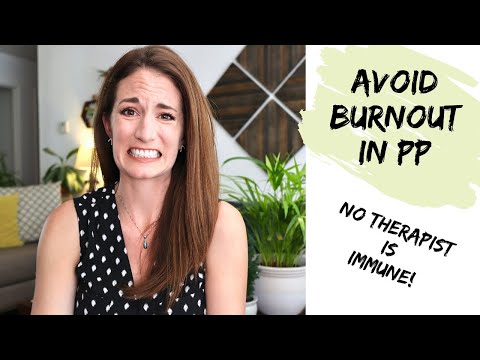
You know, therapists are like the unsung heroes of mental health. They’re always there, helping us unpack our baggage, right? But here’s the kicker: they’re fighting their own battles too.
Burnout is a real thing. Seriously. You might think they’ve got it all figured out, but behind their calm smiles, many are struggling. It’s like being a lifeguard and almost drowning at the same time.
It begs the question: Who helps the helpers? They pour so much into their work that sometimes they forget to take care of themselves. And that’s where things get messy.
You feel me? Let’s chat more about this silent struggle and why it matters to all of us.
Understanding Counselor Burnout: Essential Insights and Strategies in a Comprehensive PDF Guide
Burnout is a real thing in the mental health field, and it’s like this silent struggle that not everyone talks about. Counselors, therapists, and social workers give so much of themselves to help others. But, like anyone who puts their heart into their job, they can run out of steam.
So, what exactly is counselor burnout? Well, it’s that feeling of emotional exhaustion and cynicism that makes it tough to care for clients like you used to. Imagine feeling drained after every session or finding it hard to connect with people who really need you. You know the type—you get home, stare blankly at the wall, and just wish you could recharge somehow.
**Understanding Counselor Burnout:**
1. Causes:
There are several reasons behind this burnout phenomenon:
- High caseloads: Being overloaded with clients can leave little time for self-care.
- Emotional labor: Constantly being empathetic takes a toll.
- Workplace dynamics: If you’re in a toxic environment or feel unsupported, it hits harder.
2. Symptoms:
How do you know if burnout is creeping in? Well, here are some signs:
- Physical fatigue: You feel wiped out all the time.
- Pessimism: You might start doubting your effectiveness or feel resentful toward clients.
- Diminished personal accomplishment: It feels like nothing you do makes a difference anymore.
I remember chatting with a friend who’s a therapist—she shared how after years of helping teens through crises, she found herself feeling numb during sessions. That’s when she realized something was off.
**Strategies for Prevention and Recovery**:
Okay, so what can be done about this? Here are some essential strategies that might help:
- Set boundaries: Make sure you’re not taking on more than you can handle. Learn to say no when needed.
- Regular supervision: Having time with colleagues or supervisors to discuss cases can lessen the load and share perspectives.
- Self-care routines: Engage in activities outside of work that recharge your batteries—whether it’s reading fiction or going for walks.
Just imagine if someone’s juggling too many balls—they start dropping them eventually! This is why balance is key.
Another helpful tip? Incorporating mindfulness practices can work wonders too! Simple things like deep breathing exercises or even meditating for a few minutes between sessions can be game-changers.
**Conclusion**:
Burnout doesn’t have to be part of the job description; understanding its roots helps make thoughtful changes. Pay attention to yourself as much as the clients because you matter just as much in this dynamic relationship. Remember—you’re not alone in this experience; many counselors face similar battles. By taking proactive steps towards self-care and setting boundaries, you’ll be better equipped to support others while also safeguarding your own well-being.
Understanding Therapist Burnout: Key Statistics and Insights
Therapist burnout is a serious issue that often flies under the radar in mental health circles. It’s not just about feeling tired; it’s like a long, exhausting struggle that can lead to emotional fatigue, reduced empathy, and even physical health problems. Imagine being the person everyone turns to for help while you’re grappling with your own emotional weariness. Pretty intense, right?
One shocking statistic is that around 21-61% of therapists report experiencing burnout at some point in their careers. That’s more than half! You know, it’s like you think someone who helps others should be immune to these feelings, but no one is truly invincible.
So what causes this burnout? Well, a couple of factors play a role:
- High caseloads: Therapists often juggle multiple clients each week. If they have too many cases and too little time, their own mental well-being starts to take a hit.
- Lack of support: Many therapists work solo or in small practices where supervision and peer support can be minimal. It’s easy to feel isolated.
- Difficult client situations: Hearing traumatic stories day in and day out can be emotionally draining. Some therapists feel the weight of their clients’ pain deeply.
Burnout doesn’t just affect the therapist; it impacts clients too. When a therapist is burned out, they might not provide the same level of care or connection as before. It’s like trying to give water from an empty cup—there’s nothing left to share.
Interestingly, studies show that therapists who engage in regular self-care activities are less likely to experience burnout. Things like exercise, hobbies, and connecting with friends can help recharge those batteries. For instance, a therapist might find joy in painting or hiking—a way to escape the weight of their work for a bit.
But here’s another twist: many therapists feel guilty about taking time off or prioritizing their mental health. They worry it’ll let their clients down or make them seem unprofessional. This guilt often keeps them locked in a cycle of exhaustion.
It’s also worth noting that certain specializations might experience higher rates of burnout. Therapists working with trauma survivors may face unique challenges due to the intense emotional energy involved in those sessions.
Last year there was an uptick in discussions around therapy and mental well-being following the pandemic; more people sought help than ever before! This surge added extra pressure on those already feeling stretched thin.
What can we do? Well, creating supportive environments for therapists is key. Mental health organizations are beginning to recognize this issue more openly by providing better resources for self-care and promoting supervision as standard practice.
You see? Recognizing therapist burnout isn’t just about saving one individual but preserving the whole fabric of mental health care—a system where everyone gets the help they deserve without anyone burning out along the way!
Top Strategies for Preventing Burnout Among Mental Health Professionals
Burnout is like that uninvited guest who just won’t leave. It creeps up on mental health professionals, leaving them exhausted and overwhelmed. If you’re in the field, or know someone who is, you’ll recognize that feeling. You pour your heart and soul into helping others, but sometimes it drains your own battery completely. So, let’s chat about some strategies that can help keep that burnout at bay.
1. Set Boundaries
Creating clear boundaries is super important. You might feel pressured to be available 24/7—or maybe you have a habit of taking on too much work. Start by defining your limits on work hours and avoid answering emails after a certain time. Sounds easy, right? But practice really makes perfect here!
2. Prioritize Self-Care
It’s not just a buzzword; it’s essential! Finding time for yourself is crucial. Whether it’s meditating for a few minutes or soaking in a warm bath—self-care helps recharge those drained batteries of yours! Try to stick to a regular routine; sacrifice one less episode of your favorite show if it means getting those z’s.
3. Seek Supervision and Support
Talking with colleagues or supervisors can feel almost like therapy for therapists! Sharing experiences opens doors to new perspectives and advice you might not have considered before. You’re not alone in this journey; everyone has ups and downs.
4. Embrace Continuous Learning
You know how we tend to get bored doing the same thing over and over? Staying updated with new practices not only makes you better at what you do but also keeps things fresh and exciting! Consider attending workshops or webinars related to mental health topics that spark your interest.
5. Foster Social Connections Outside Work
Don’t let work take over your life; make sure you spend time with friends or family—people who lift you up! Even just grabbing coffee with an old friend can be refreshing, right? These connections remind us that there’s more to life than just therapy notes and client sessions.
6. Regularly Reflect on Your Practice
Take time to evaluate what’s working for you and what isn’t in your practice. Maybe some clients drain your energy more than others, or certain methods aren’t resonating anymore? It’s okay to adjust! Keeping a journal could help track these reflections.
Ultimately, burnout doesn’t have to be part of the job description for mental health professionals—it’s preventable with the right strategies in place! By taking care of yourself first, you’re actually better equipped to help others—not just surviving but thriving in this rewarding yet challenging field.
Incorporating these approaches may take some effort initially, but once they become habits, they really pay off over time! Remember: keeping yourself well is as critical as being there for others.
You know, when you think of therapists, you often picture calm, collected people offering sage advice and helping others navigate their emotional storms. But what’s rarely talked about is the heavy weight they carry—like a backpack filled with rocks, honestly. Yeah, I’m talking about therapist burnout. It’s a silent struggle that can sneak up on even the most dedicated professionals.
I remember chatting with a friend who’s a therapist. She was so passionate about her work, but after years of pouring herself into her clients’ lives, she started to feel drained. It was like all the energy she gave to others was leaving her with nothing in the tank. And that’s common, you know? You spend your days listening to heartbreaking stories and trying to help people find their way out of darkness. But if you don’t take care of yourself too, it can be overwhelming.
Burnout isn’t just about feeling tired; it goes deeper than that. You might start getting cynical or detached from your work, almost like you’re watching your life through a foggy window instead of living it fully. Imagine seeing someone struggle and feeling like you can’t even muster the empathy or energy to help them as much as before—it’s gut-wrenching.
And let’s be real here—there’s this stigma around admitting that you’re burned out when you’re supposed to be the expert on mental health. It feels kinda hypocritical, right? Society expects therapists to be these unwavering pillars of support while silently battling their own demons in the background.
There are signs therapists should watch out for: chronic fatigue, irritability, or even physical symptoms like headaches or stomach issues—they’re not just ‘part of life.’ They signal something bigger going on under the surface. And if we’re being honest here, taking breaks or seeking support isn’t always easy in such a demanding profession.
The thing is… we should shine a light on this struggle more often—not just for therapists but for everyone involved in mental health care. Because when those who help others are struggling themselves, it ultimately affects their clients too.
So yeah, recognizing burnout is crucial—not only for therapists but also for everyone around them. After all, self-care doesn’t mean being selfish; it means filling your own cup so you can actually pour into others without running dry!